







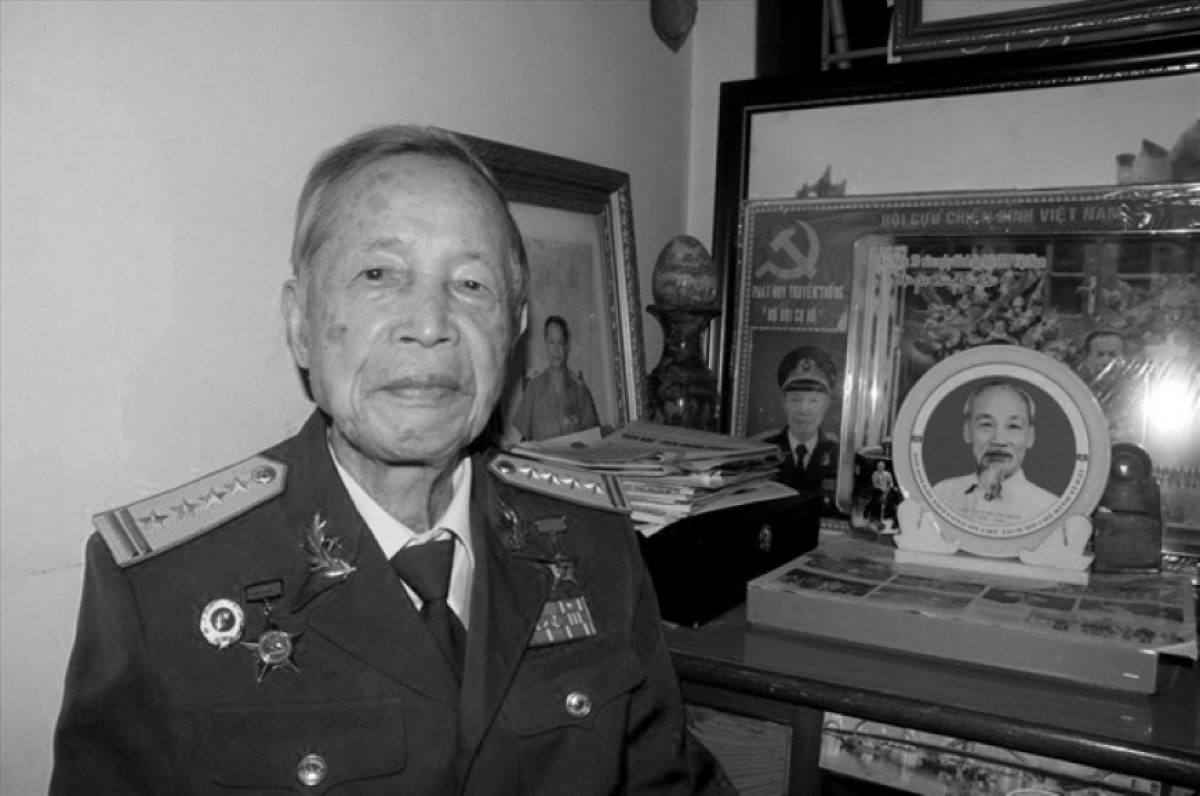
In 1948 when the spirit of resistance against French colonial rule was sweeping through Cao Bang province, a 16-year-old Tay boy named Sam Phuc Huong was eager to join the fight. Small in stature but unshakable in determination, the schoolboy made a daring decision: he added two years to his age so he could enlist and stand alongside those defending the nation. He took the name La Van Cau.
Two years later, Cau marched into the historic Battle of Dong Khe during the 1950 Border Campaign.
On the night of September 17, 1950, the air over Dong Khe was thick with the smell of gunpowder. A demolition squad led by Cau was ordered to breach an enemy bunker. As they drew within striking distance, a hail of bullets erupted from the darkness. One struck him in the face and another shattered his right arm. His right arm was so badly mangled it prevented him from carrying the 12-kilogram explosive charge toward the target. Without hesitation, Cau asked his comrades to sever the injured arm. Clutching the explosive with his left arm, he crawled to the enemy bunker and ignited the fuse. A deafening explosion shook the battlefield and the enemy bunker was destroyed.
"For soldiers like us, being wounded was something ordinary, even the possibility of making the ultimate sacrifice. At the historic Battle of Dong Khe in 1950, I felt very proud that our army fought bravely and won the Border Campaign. I lost part of my right arm in that battle, but my comrades and I defeated the enemy and helped to liberate our homeland. It was the most meaningful battle of my life as a soldier," Cau recalled.
This extraordinary courage made him one of the first 7 soldiers in Vietnam to be awarded the title Hero of the People's Armed Forces by President Ho Chi Minh in 1952.
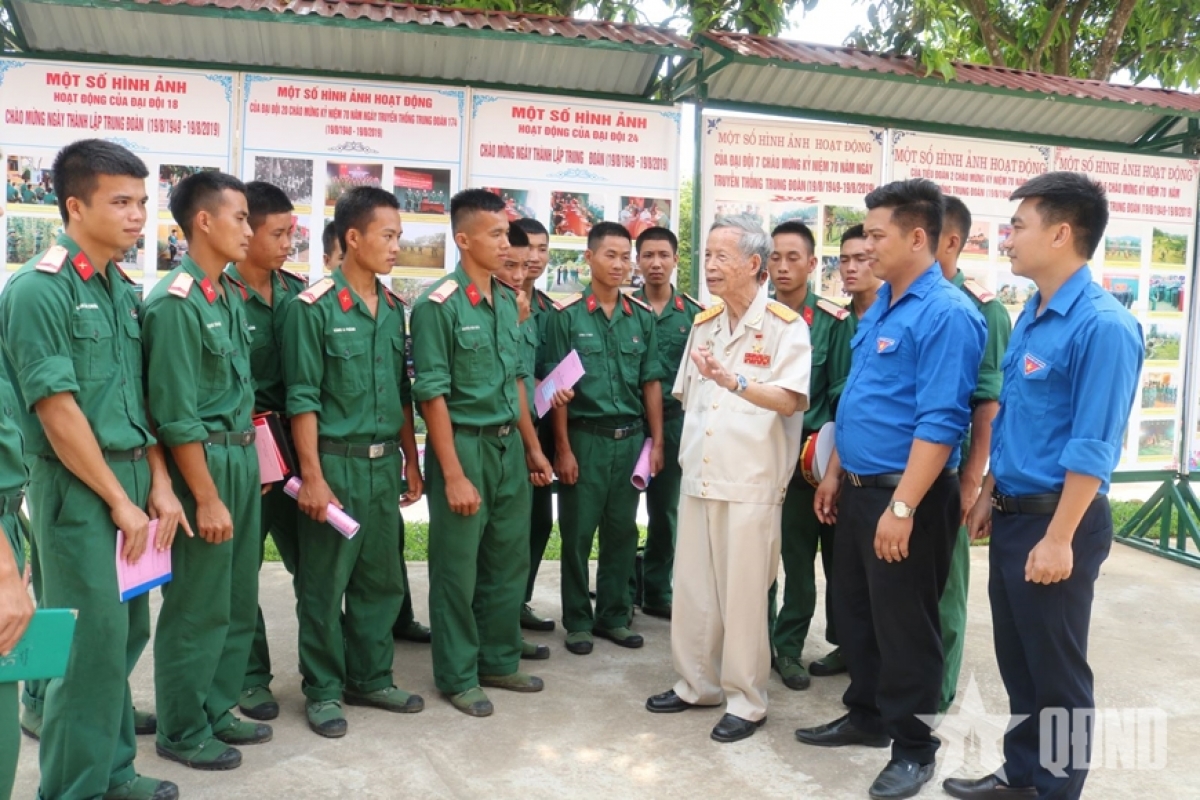
When the war ended, Cau went on to serve in the General Department of Politics before later working at the Vietnam Military History Museum. Even after retiring in 1996, the aging veteran never stopped serving his country. He remained active in the Vietnam Fatherland Front while living a simple life in Hanoi.
The war veteran often visited the Ho Chi Minh Mausoleum on the nation's major commemorative occasions. Each visit brought back the same profound emotions he experienced as a 20-year-old soldier when he first met President Ho.
"Whenever I come to President Ho Chi Minh's Mausoleum, I’m filled with deep gratitude for his immense contributions to our nation and the happiness he brought to the Vietnamese people. His legacy will forever live in the hearts of generations of Vietnamese," said Cau.
Streets and schools in Hanoi, Hai Phong, Ninh Binh, and Ho Chi Minh City are named after hero La Van Cau. Though the legendary soldier has passed away, his courage and unwavering spirit are etched in Vietnam's proud history of national defense, and continue to inspire today's younger generations.
“Stories told by historical witnesses are a meaningful way to educate young people about our nation's history and strengthen their political awareness and ideals,” said a student.
Another student added, “La Van Cau’s example is a tremendous source of inspiration for us, encouraging us to strive harder in our work, our studies, and our volunteer activities.”


