







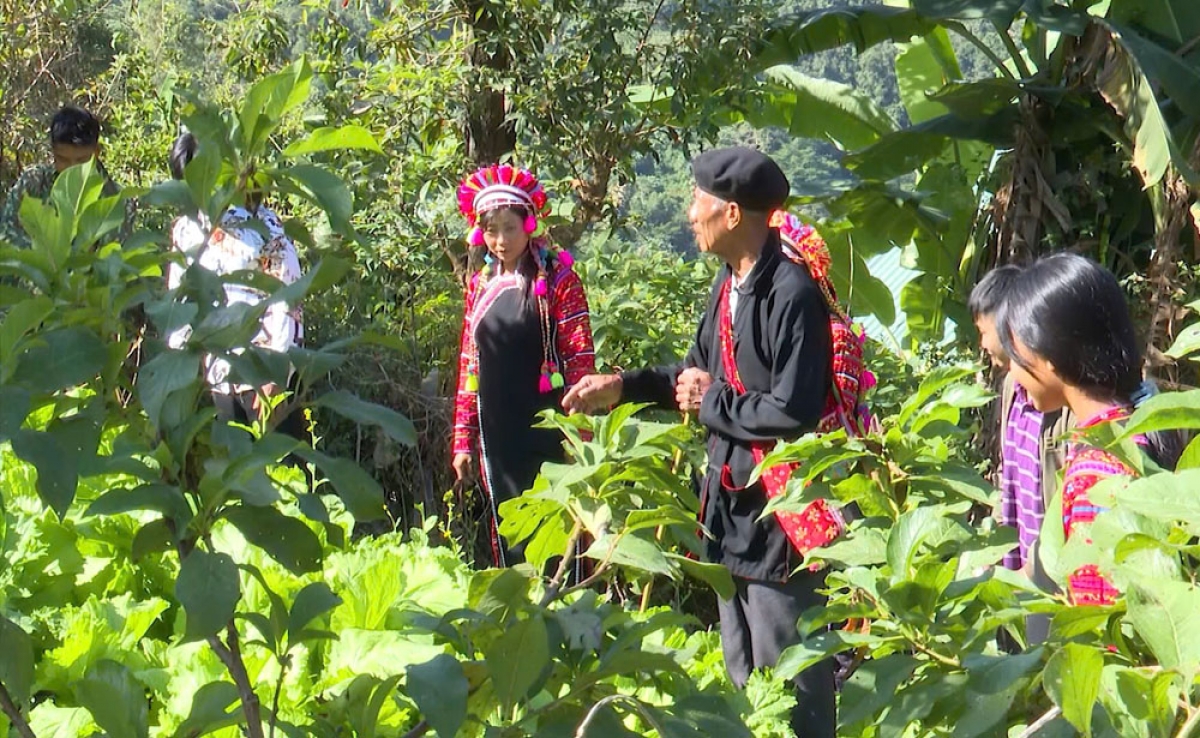
At a community meeting in Pha Bu village, Ly Xa Pu patiently explains to local residents why they should replace low-yield rice paddies with purple amomum, a medicinal crop that is opening up new opportunities for poverty reduction in the highlands.
In the past, the 10,000 La Hu people who live mainly in the upper reaches of the Da River led a nomadic life deep in the mountains and forests. Whenever the leaf-covered roofs of their temporary shelters turned yellow, entire villages would move on in search of a new place to settle. As a result, poverty and hunger persisted from one generation to the next.
Things began to change when government officials and border guards came to the villages to encourage settled farming and permanent residence, and introduced wet-rice cultivation and livestock raising. Ly Xa Pu was among the pioneers who embraced the new way of life and inspired others to follow.
“We must do our utmost to help local people improve their lives. We encourage them to work hard, expand production, and build sustainable livelihoods so that their daily needs are met and their living standards can improve,” said Pu.
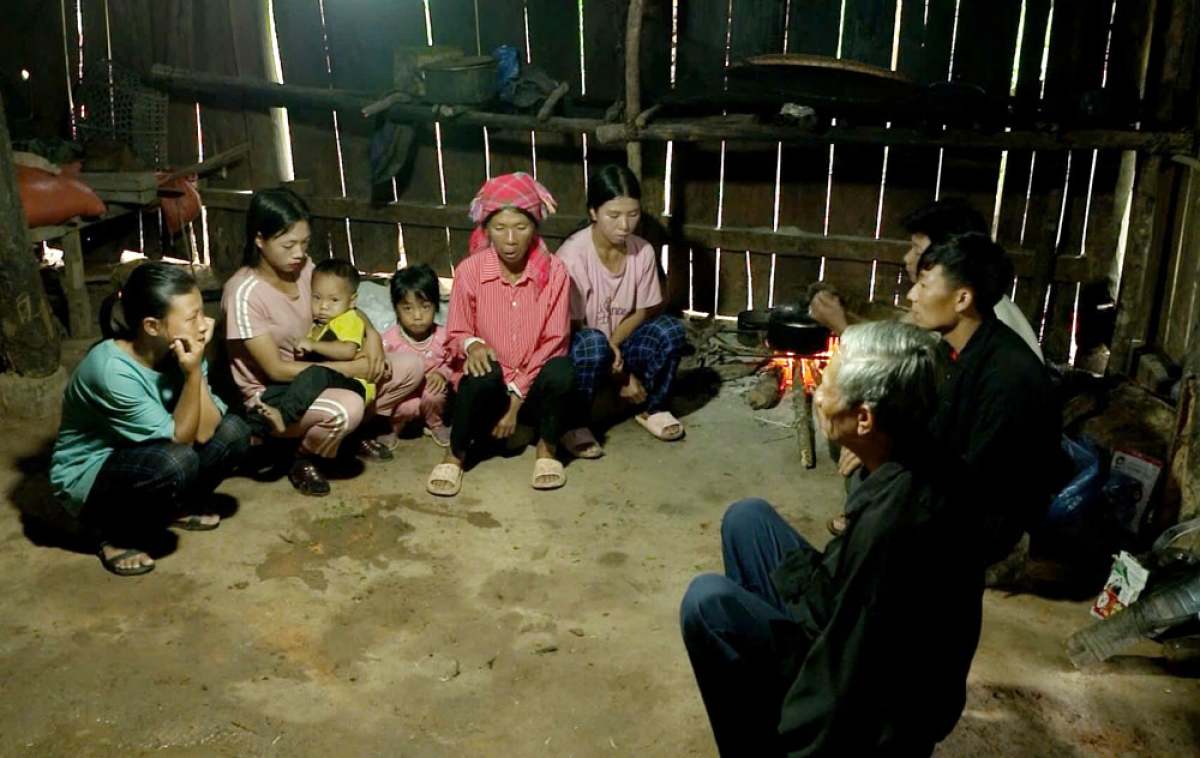
Since 2020, Pu has participated in hundreds of awareness-raising campaigns in remote border villages. On rainy days, with the forest paths slippery and difficult to navigate, he still took up his walking stick and walked for hours to attend village meetings. When only a few people came to listen, he remained patient and persistent, speaking and explaining things again and again.
Thanks to his effort, households have learned to cultivate wet-rice fields, raise livestock, and grow medicinal plants. Children now attend school.
To earn people's trust, Pu's family set an example by taking the lead in economic development. They raise cattle and pigs and grow cardamom and purple amomum under the forest canopy.
Phan Le Sa's family, once among the poorest in the village, relied on a small plot of wet-rice land that produced only one crop a year. Following Pu’s advice, Sa switched to growing cinnamon and purple amomum. After several years of hard work, his three hectares farm began generating income, helping his family escape poverty and improve their living conditions.
“Mr. Pu is a very dedicated person. He patiently guides villagers toward positive practices and encourages them to actively participate in community activities and social campaigns,” said Sa.
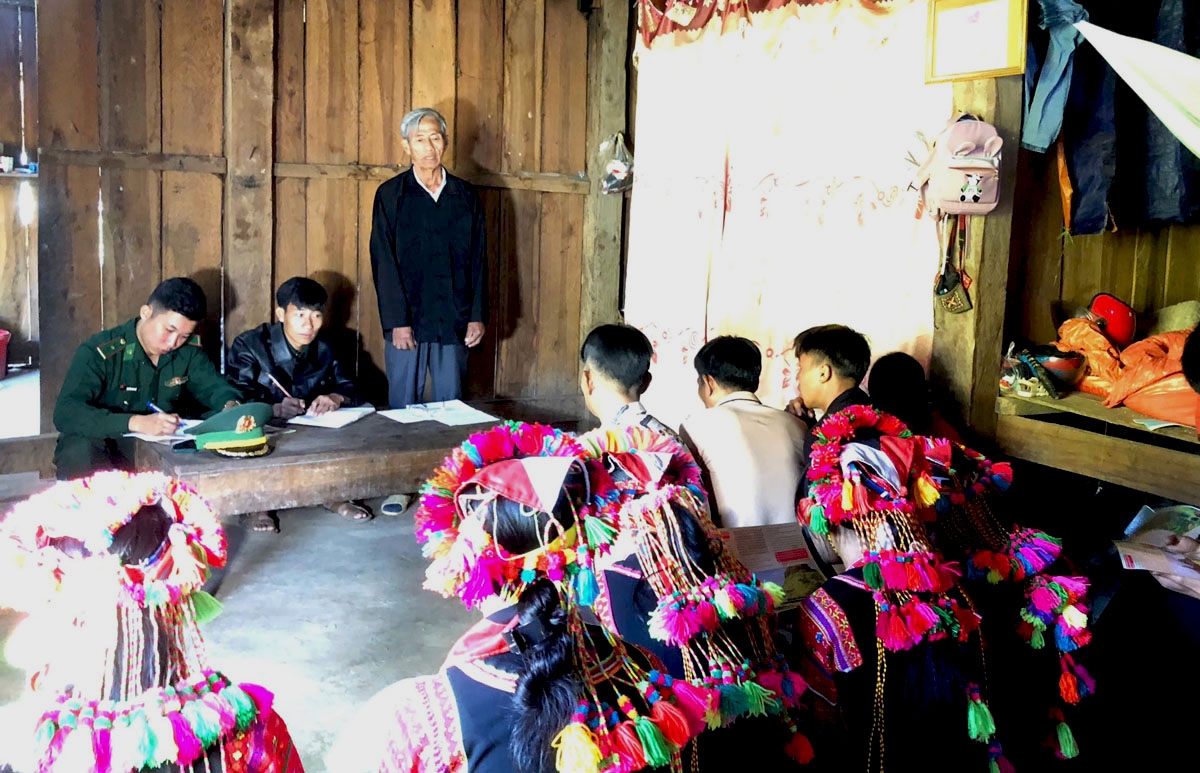
Ly Xa Pu serves as a bridge between the local authorities and the people.
“Mr. Ly Xa Pu has been instrumental in getting local people to improve their livelihoods and develop the local economy. His family is a model of successful economic development. He continues to encourage villagers to shift from low-yield rice cultivation to higher-value crops, improve their standard of living,” said Dao Van Thuc, Vice Chairman of the People's Council of Pa U commune, Lai Chau province.


