







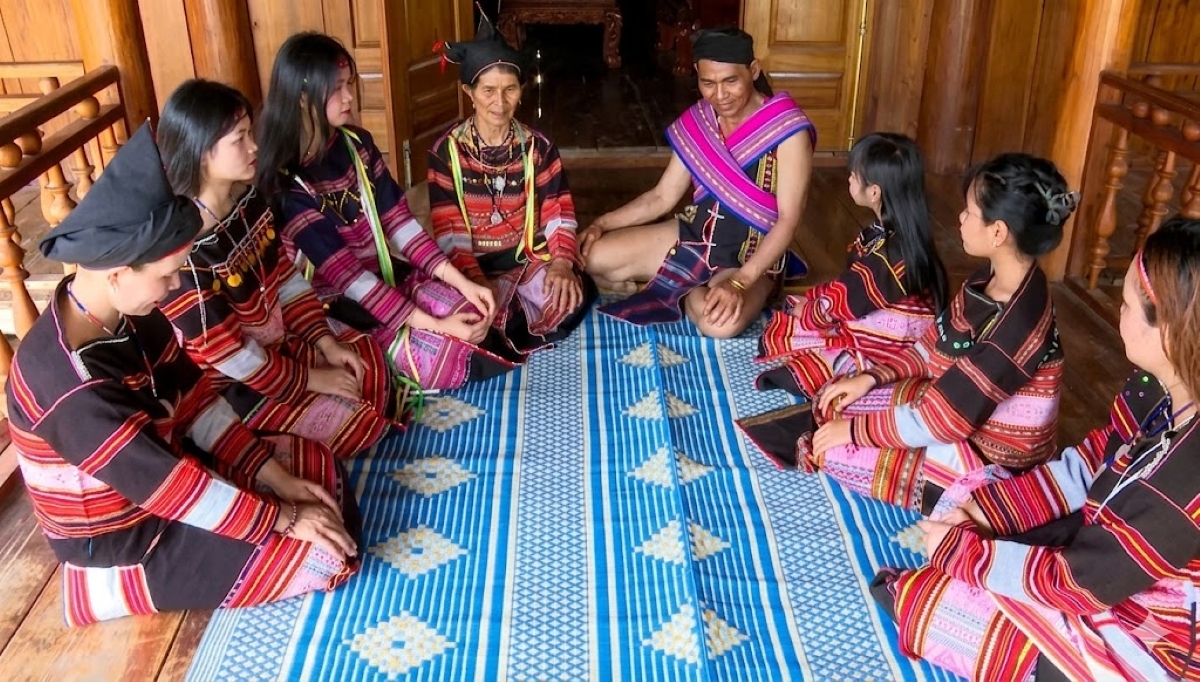
Deep in the eastern Truong Son mountains, Dak Asel village in Gia Lai province was once a revolutionary base of the Ba Na ethnic people during the resistance war. Today, a portrait of President Ho Chi Minh hangs in the village communal house, together with the letter he sent to the Congress of Southern Ethnic Minorities in 1946.
Village elder Dinh Hmunh often repeats President Ho’s teachings that all ethnic groups in Vietnam are brothers and sisters and their spirit of unity will never fade.“The villagers deeply respect President Ho Chi Minh. We teach our offspring to study well, listen to, and follow Uncle Ho’s teachings,” he said.
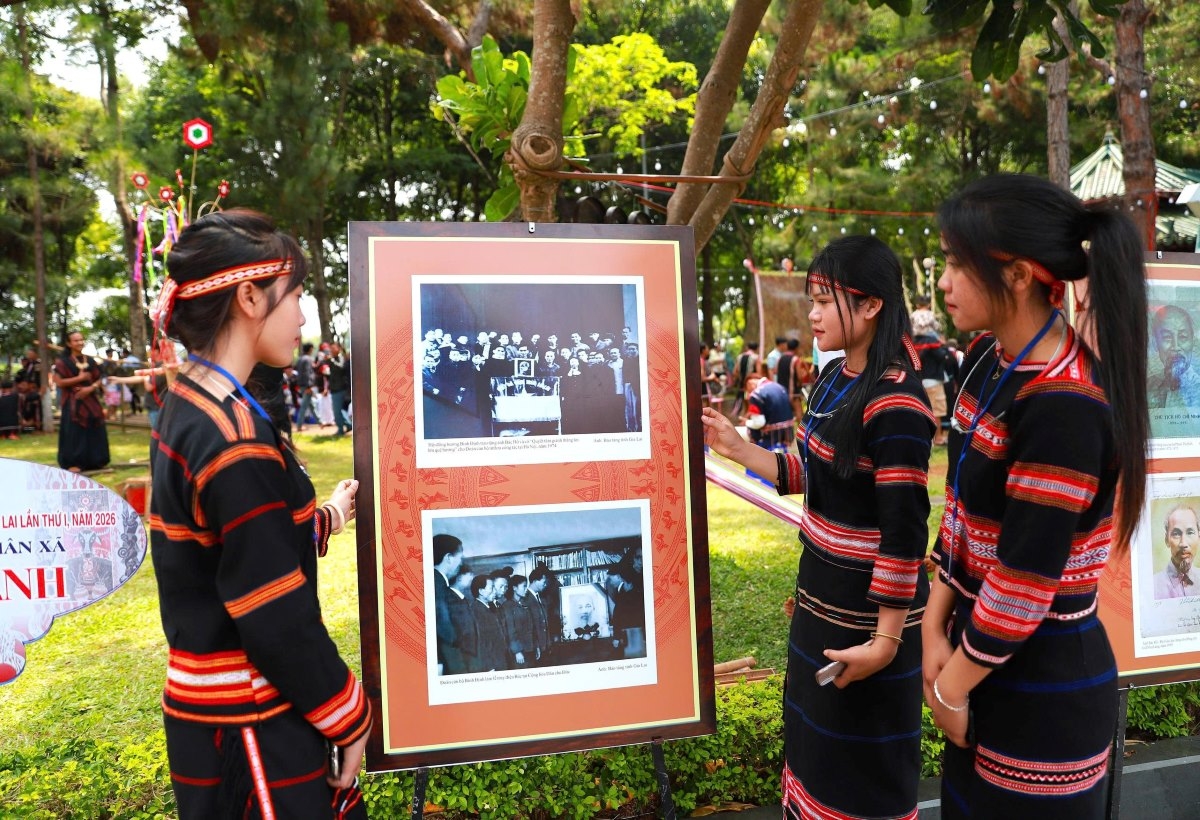
( Photo: Cong Bac/VOV Central Highlands)
Further south in the Central Highlands, at Pa village in Dak Lak province, the E De ethnic people always remember and honor President Ho Chi Minh. During the resistance war, trust in the Party and President Ho helped local people unite to protect their homeland.
“People are grateful to Uncle Ho. We remind each other to stay united, work hard, and follow Party guidelines and State policies and law," Y Tuan Ksor, Secretary of the village Party Cell said.
Thanks to support from the Party and the State, the villagers now have access to electricity, roads, schools, and healthcare services, he said, adding that life is getting better for everyone.
The M’Nong people in Quang Truc commune, Lam Dong province, also have deep respect for President Ho. Locals said that by following the Party and Uncle Ho, they have found the path to independence, freedom, and a better life for their villages.
Dieu Di, village elder of Bu Pang 2 hamlet, said, “by following the Party and Uncle Ho, we joined forces to protect our land in wartime." "Now, in peacetime, we focus on building a better life.”
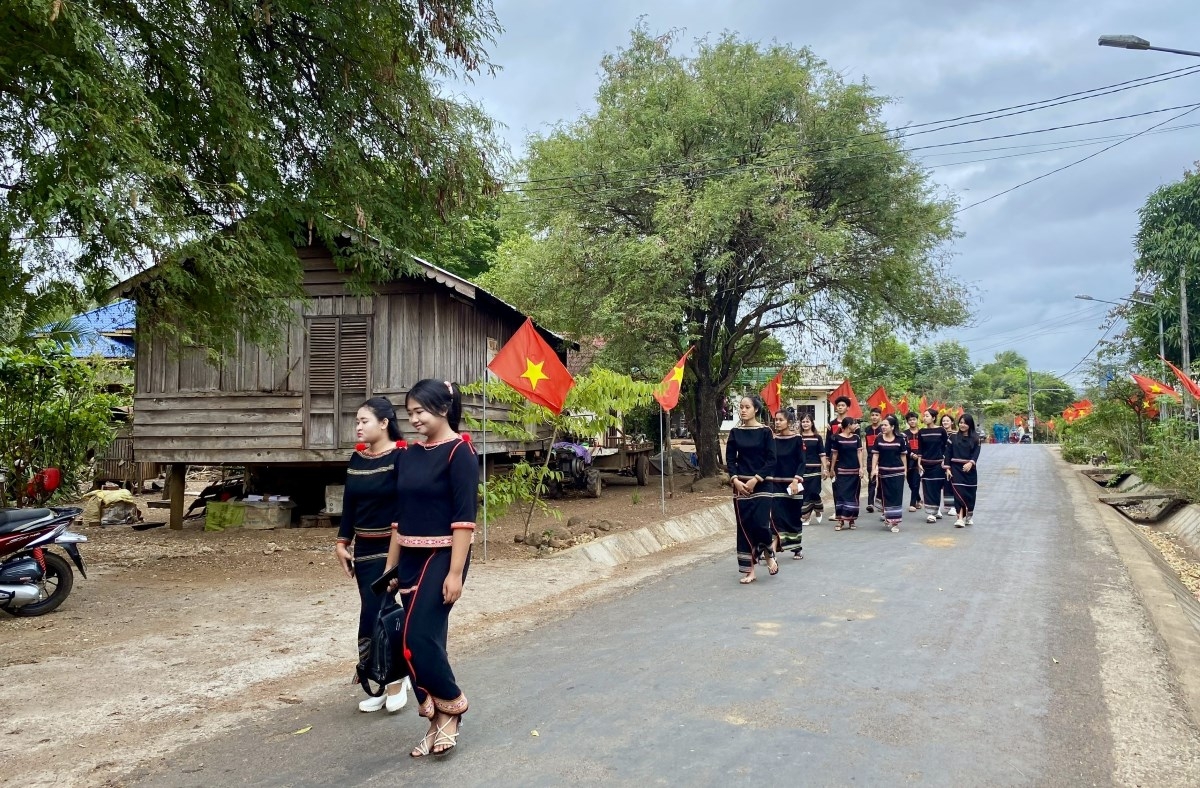
(Photo: Cong Bac/VOV-Central Highlands)
For Linh Nga Nie K’dam, daughter of Y Ngong Nie K’dam, former Chairman of the National Assembly’s Ethnic Council, memories of President Ho are defined by his kindness and caring. While studying at a school for ethnic cadres in northern Vietnam, she met Uncle Ho many times.
“Uncle Ho asked if we had enough to eat and if we exercised regularly. He told us to eat well, study well, stay healthy so that one day we could serve the Central Highlands,” she said.
The Central Highlands is not only a strategically important region for national defense and security, but also a land rich in culture, where many ethnic groups live together in unity. In recent years, the Party and State have stressed that the region’s development must be built on the spirit of national solidarity, as taught by President Ho Chi Minh.


