


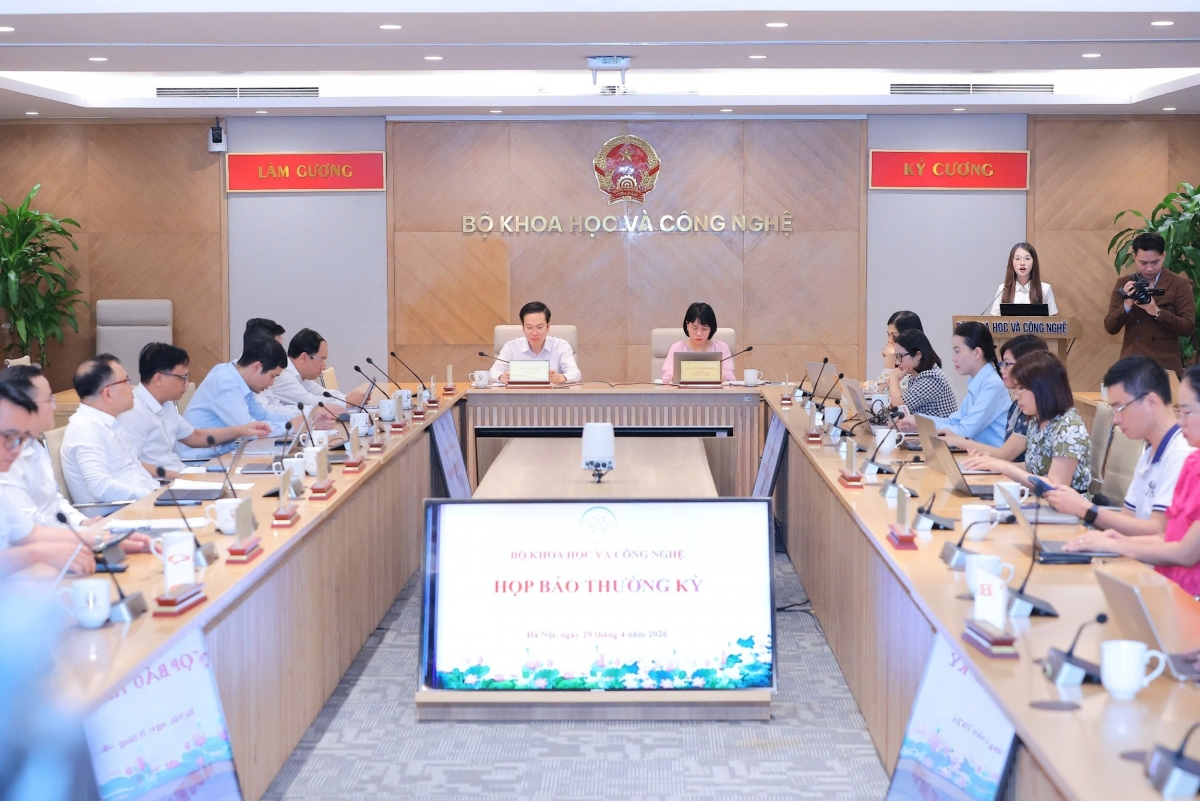
The policy is in line with the Government's Resolution No. 86 promulgating the national strategy on innovative startups, which describes innovative startups as both a growth driver and a "cause of the entire people ", the ministry said.
With digital tools and virtual assistants, it is now possible for a single person to build and operate a successful business, said Pham Duc Nghiem, Deputy Director of the National Agency for Startups and Technology Entrepreneurship. "Developing supporting tech platforms, digital infrastructure, shared infrastructure, and public infrastructure are all important to building a strong national innovative startup ecosystem," he said.

A favorable environment where everyone can start a business on digital platforms will help realize Vietnam's goal of "nationwide entrepreneurship".
"The process of turning an idea into a business model and commercially viable product is a long and arduous one. Startups need support from experts, incubators, coaches, as well as training and research institutions. We need to form a network of specialized incubators that foster technology, engineering, and knowledge. This will enable startups to turn their ideas into actual products, services, and business models. This applies not only to startups in the private sector, but also those from research institutes and universities," Mr. Nghiem said.
Vietnam's national strategy for innovative startups targets 5 million business entities, 10,000 startups, and 45 startup support networks by 2030. By 2045, one in every ten Vietnamese citizens will start a business; one in every 35 citizens have a business; and one in every 5,000 citizens will have an innovative startup enterprise. Venture capital inflows into Vietnam will reach 10 billion USD.