







With a steady hand, Dung slowly carves each letter into the surface, one stroke at a time. His modest workplace sits at the corner of Le Loi and Nam Ky Khoi Nghia streets, in what was formerly District 1 and is now Ben Thanh Ward in Ho Chi Minh City.
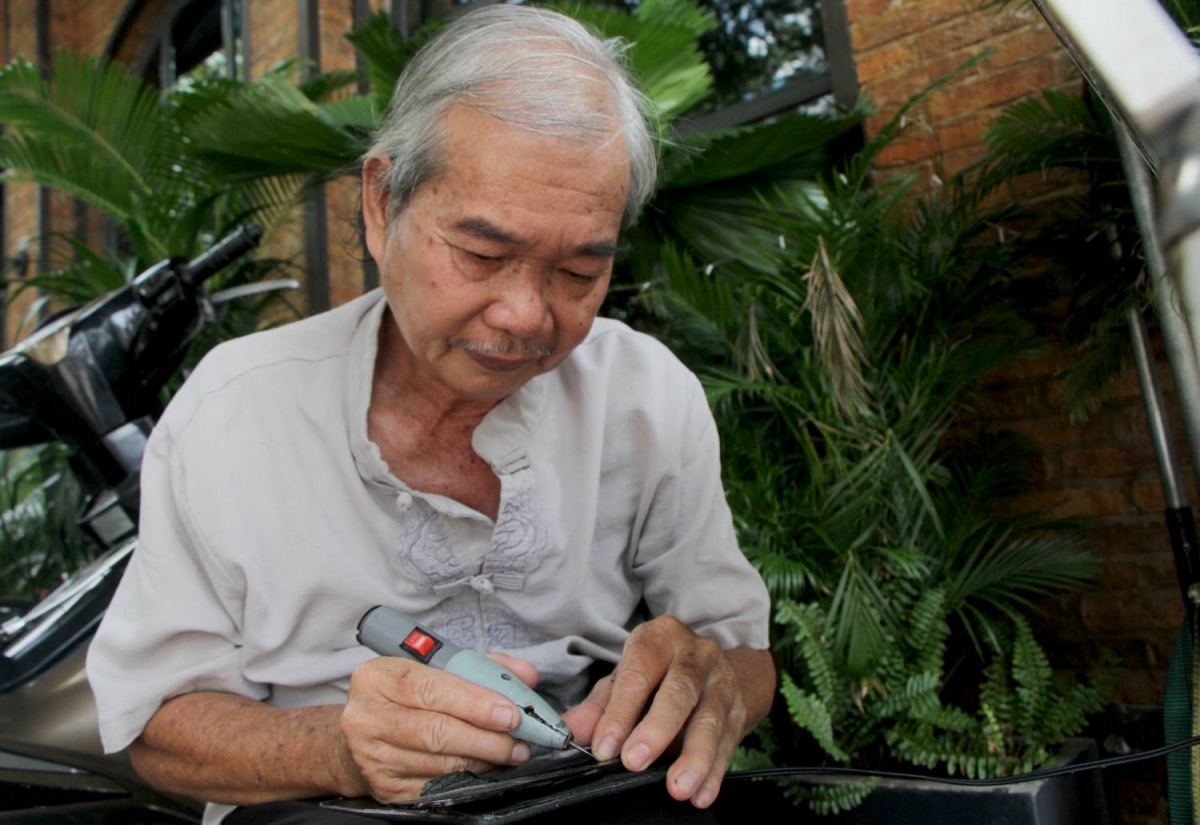
Over the years, this small spot has been a familiar destination for people wanting names and messages engraved on their belongings and gifts. There was a time when customers came in large numbers, especially students and people looking for wedding or housewarming gifts. Dung could work from morning until late evening during busy periods. But as people's habits changed, fewer customers came.
“Students today no longer use valuable pens as they once did. Most of them use cheap ballpoint pens, buying a dozen at a time and throwing them away after use. So there is much less demand for engraving on pens. Machines have also made it difficult for many craftsmen to make a living from this work, forcing them to move on to other jobs,” Dung said.
Born in 1959 and originally from Hai Duong, now part of Hai Phong City, Dung has spent most of his life doing hand engraving. He remembers the years before 2010, when the craft was at its peak. During busy periods, he worked from morning until late evening. Today, Dung mainly takes on jobs that machines cannot easily handle, such as engraving long messages on curved ceramic teapots, names on expensive pens, or delicate materials that could be damaged by laser engraving. Each piece requires careful control, as even a small mistake can ruin the entire item.
“The hardest part is creating beautiful letters while also having the right technique. A craftsman has to control everything from the pressure of the hand to the angle of the tool. Especially when working on hard, curved surfaces, even a small mistake can cause the engraving tool to slip, and once that happens, there is no way to fix it,” Dung said.
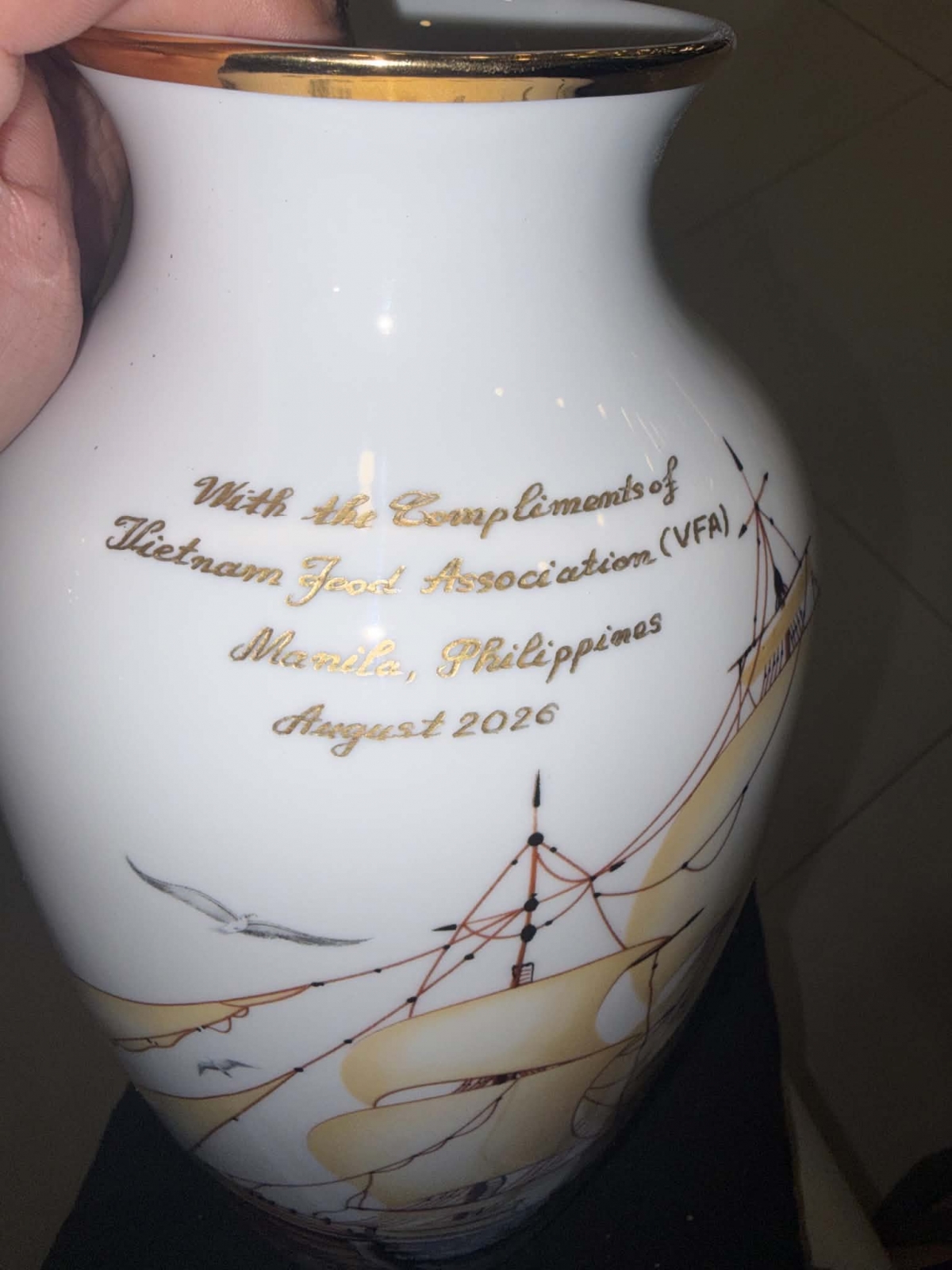
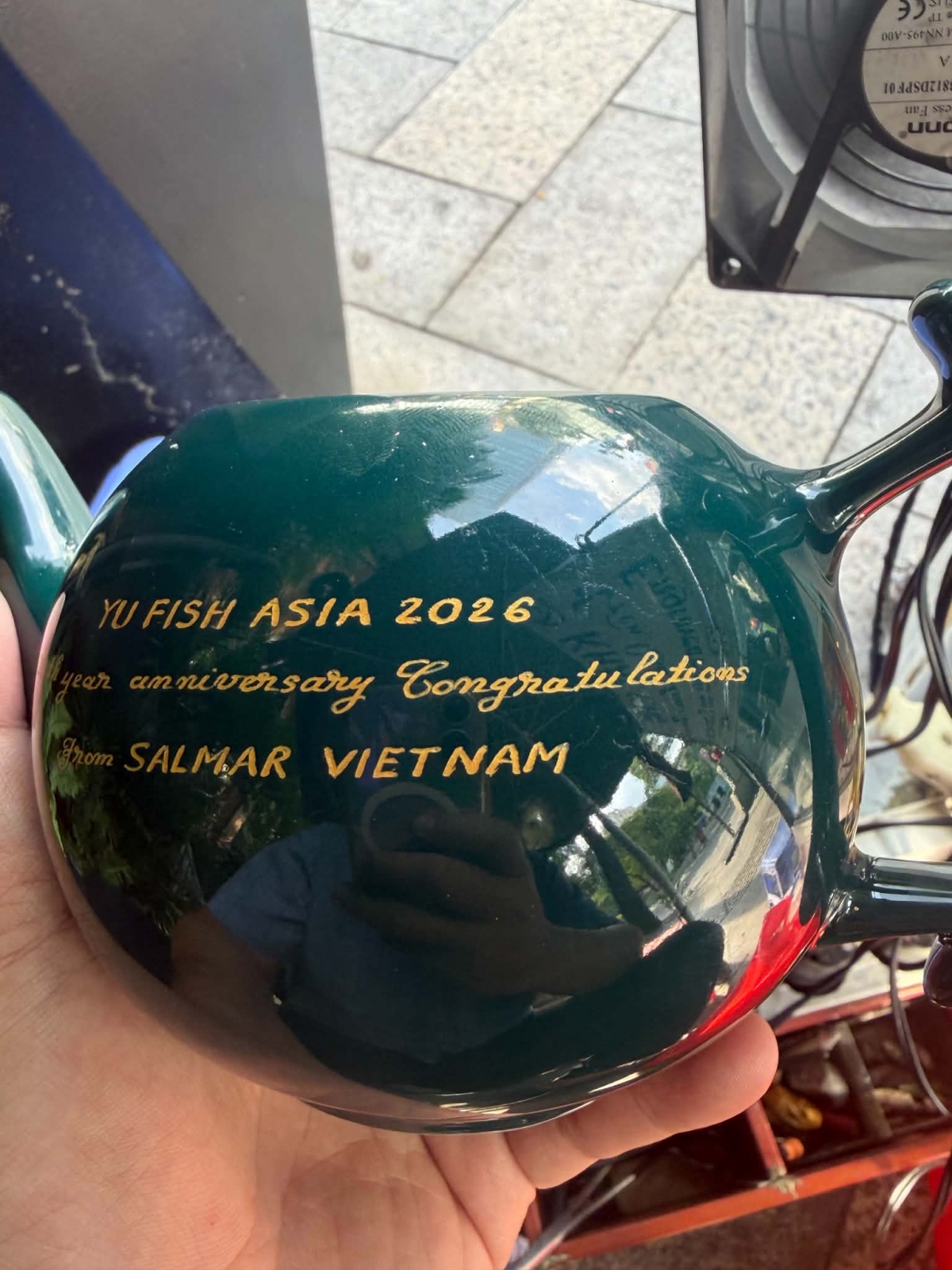
Dung knows the craft may never return to its former golden age. But he hopes people will continue to value it for the skill and care that go into each piece. For him, a hand-engraved message can give a valuable gift meaning that a machine-made product cannot.
“Although the craft is going through a difficult time, I hope it will become popular again one day. I believe it is a beautiful tradition worth keeping alive. A valuable gift becomes much more meaningful when it carries a personal message, with the marks of both the giver and the receiver. When the work is done by hand, you can feel the time, skill, and care that the craftsman has put into it — something a machine cannot quite replace,” Dung said.
That value has reached beyond Vietnam. Le Hai Duong, Dung’s son, recalls one foreign customer who came to Ho Chi Minh City after seeing a European TV program about traditional engraving here. The man even hired an interpreter and found Dung’s small shop to have a pen holder engraved by hand. The customer joked that he had travelled all the way to a distant country just to have a few words engraved. But that was precisely what made the item special to him. With modern engraving machines readily available elsewhere, he had chosen to come to Dung because he wanted something made with the personal touch of a craftsman.
Such stories have inspired Duong. Learning the work has gradually given him a deeper understanding of its value and the skill and patience behind every engraved letter.
“When I started doing this work and went through the different stages it brought, I began to understand the value of the craft and appreciate my father even more. I will continue this craft. I definitely won’t give it up. There are days when I earn only 2 USD, but I think that is because the market is going through a difficult period. Once things improve, better days will come,” Duong said.
The future of hand engraving may still be uncertain. But at Dung’s small shop, the craft continues — passed from father to son, and carried forward one letter at a time. In a changing world, each carefully engraved name or message is a reminder of the time, skill, and human touch that go into work made by hand.


