



A morning coffee. A delivered lunch. A late-night click on a flash sale. Small, familiar, almost automatic. The kind of spending that slips quietly into everyday life in Vietnam’s busy cities. But something is changing. More young people are beginning to pause to ask a simple question before they spend: do I really need this?
Recent surveys reflect this shift. A study by Worldpanel by Numerator Vietnam shows that more than 70% of households are focusing their spending on essential items such as food and daily necessities. At the same time, around 60% say they are cutting back on non-essential purchases, reflecting a more cautious and mindful approach to managing their budgets.
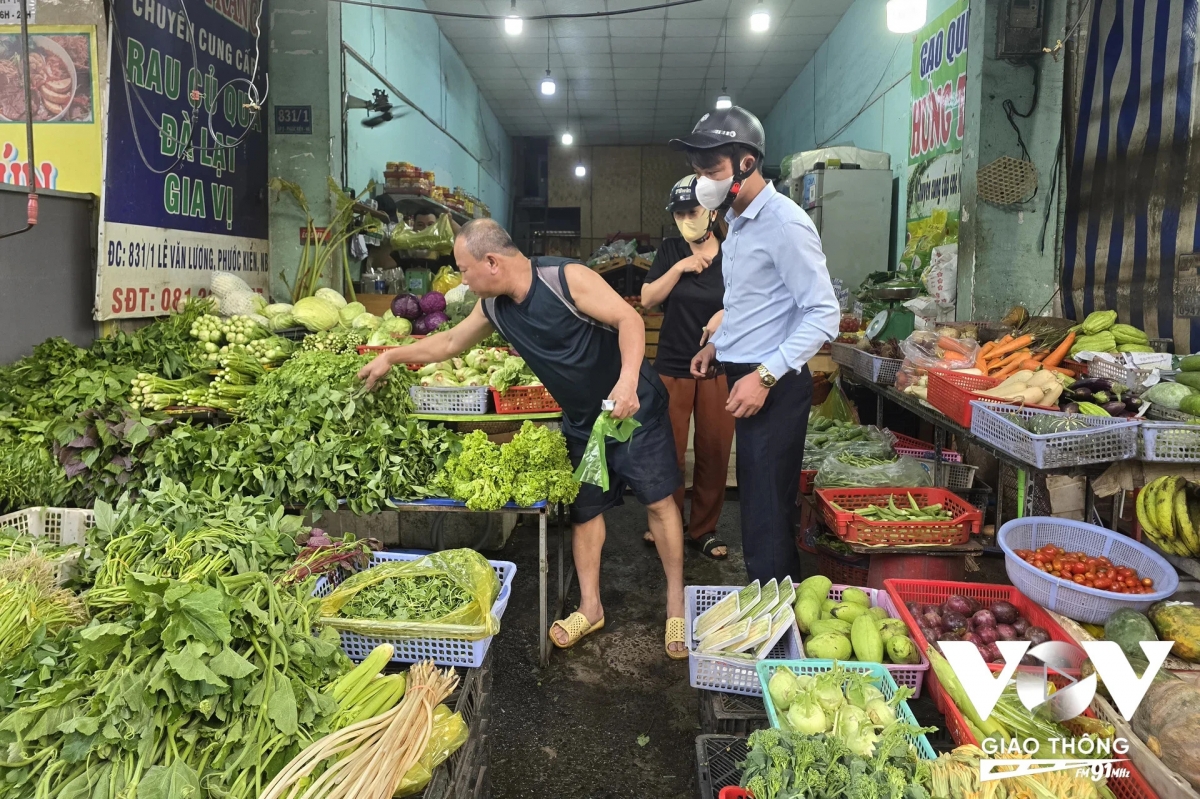
At 30, Ngoc Huyen, a teacher in Hanoi, has gradually changed her daily routine, starting from something as simple as preparing her own meals.
“As a teacher, my schedule is quite fixed, but also quite busy. Before, I often ordered lunch because it was quick and convenient. But over time, I realized that I was spending more than I expected, especially on days when I felt too tired to think about cooking. Now I try to prepare my meals in advance,” said Huyen.
“On weekends, I go to the market and plan simple dishes for the week. During weekdays, I just need to reheat or do a little bit of cooking. It’s not always easy to keep up, especially after a long day at school. But I feel more comfortable knowing exactly what I’m eating. And I also feel more in control of my expenses.”
For Huyen, it’s not about being strict, it’s about creating a routine that works better for her life. Small changes like these are becoming more common, as everyday habits are slowly being reconsidered.
For many students, however, the biggest challenge perhaps comes from online shopping, where spending can happen in just a few taps. Twenty-year-old university student Ha Nguyen says it used to be part of her daily habit.
“I think for students like me, online shopping is very easy to get into. You just scroll, see something nice, and it’s already in your cart. Before, I didn’t really think much about it. If something was on sale, I felt like it was a good deal, so I bought it. But later, I noticed that many things I bought were not really necessary. Now I try to slow down. I don’t buy things immediately anymore. I usually wait at least one or two days before making a decision, and sometimes I even forget about the item completely,” said Ha.
Ha said she also started writing down her spending, just simple notes on her phone. It helps her realize how often she used to spend without thinking. Since then, she feels more in control, but also more relaxed. She doesn’t feel that pressure to buy things just because they’re available.
For freelancers, whose income can be less predictable, managing expenses often becomes even more important. At 27, Ngoc My, a freelance designer, says learning to control spending has been part of adapting to her lifestyle.
“When you work freelance, your income is not always stable. Some months are good, some are not. So I have to be more aware of how I spend. Before, when I had a good month, I tended to reward myself - buying things I liked, going out more. But then when work slowed down, I felt a bit stressed. Now I try to keep my spending more consistent. I set a basic budget for essential things, and anything extra, I think more carefully before spending. I also try small habits, like having ‘no-spend days’ during the week. On those days, I don’t buy anything unless it’s really necessary,” said My.
A similar idea has been picked up by Minh Tuan, 34, an office worker in Hanoi, who has been practicing “no-spend days” as a way to manage his daily habits.
“At first, I tried it just to see if I could do it. I didn’t think it would make a big difference. But then I realized how often I spent money on small things without noticing — like buying drinks, snacks, or ordering something late at night. Now I try to have one or two no-spend days each week. It’s a way for me to reset my habits. What I like about it is not just saving money, but being more aware. I start to think: is this something I really need, or just something I’m used to doing? Over time, it becomes easier. And I think it helps me build better discipline in general,” said Tuan.
In a fast-moving world where convenience is always just a click away, these small pauses are quietly making a difference. For many young people in Vietnam, spending less isn’t about restriction, it’s about self-caring. A home-cooked meal, a delayed purchase, a day without spending… the change may not be loud, but it’s steady. And in the rhythm of everyday life, a more mindful way of spending is slowly taking shape, one small decision at a time.