



In November 2016, in a Stockholm apartment, a group of elderly Swedes sat in silence. At the center of the room stood Huong. They had asked Huong to sing and she had chosen “Nhac rung (Forest music)”—a classic Vietnamese song about optimism amid hardship.
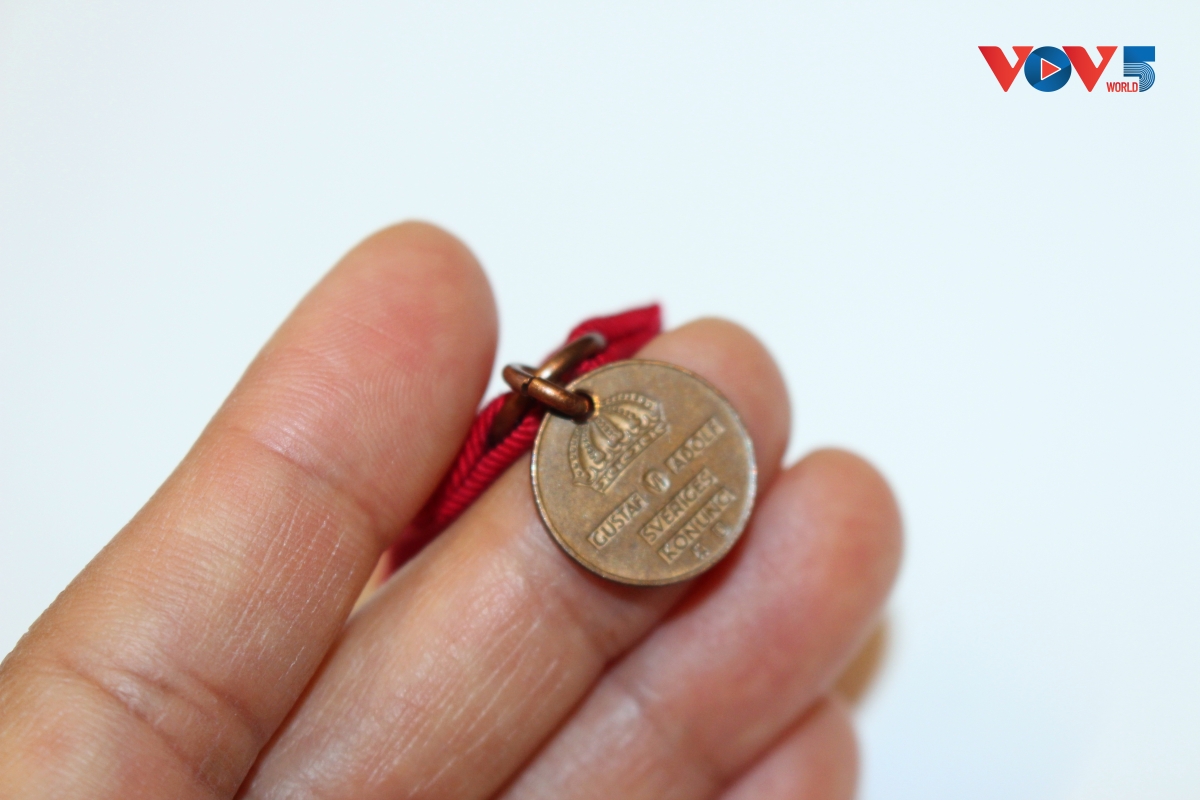
As her voice filled the room, decades of distance evaporated. When she finished, the hosts pinned a medal onto her shirt—a token of recognition from the “Baibangare (Bai Bang people)” for documenting their lives. Huong burst into tears.
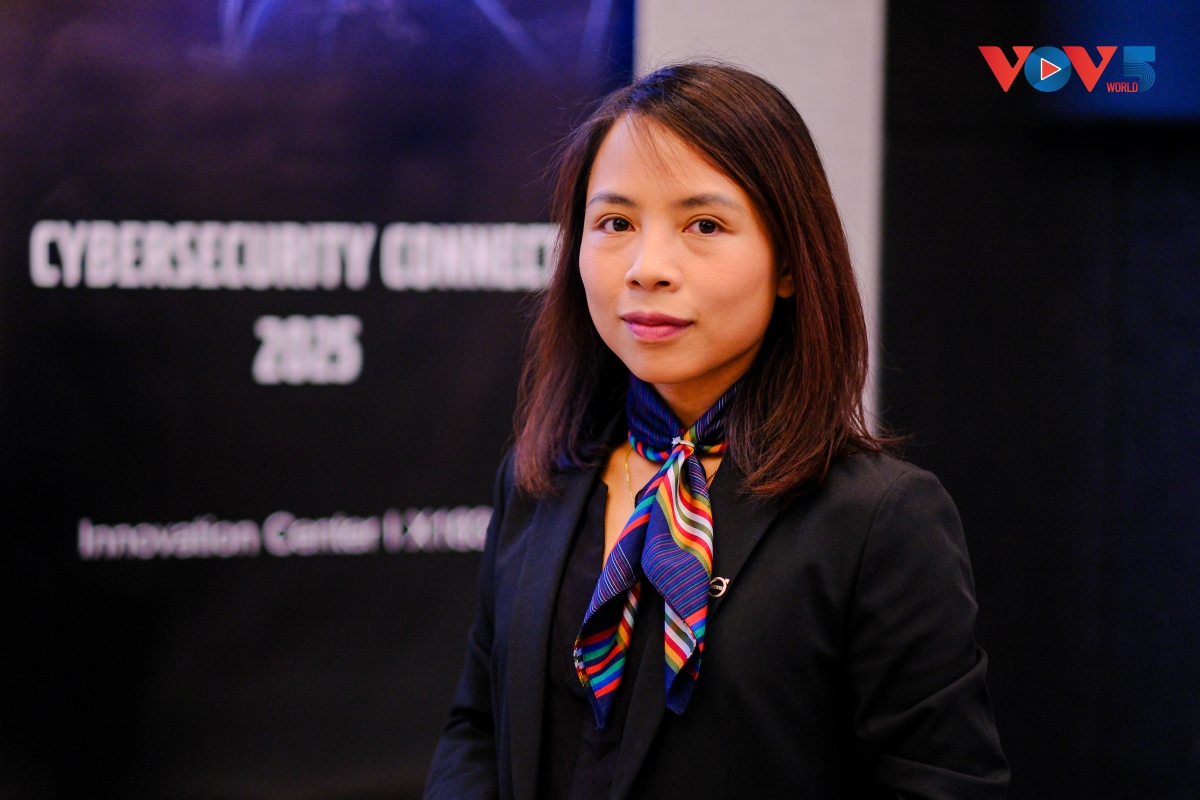
12 years ago, she arrived in Sweden with a background in journalism and a scholarship. Her decision to dive into the history of the Bai Bang project from 1970 to 1995, initiated as an act of political solidarity by Swedish Prime Minister Olof Palme, intertwined her destiny with Sweden-Vietnam relations.
A niche competence and an academic shield
When brainstorming thesis topics in 2015, Huong wanted something modern to secure a corporate job. It was her Swedish boyfriend—now her husband—who urged her to look back at history, promising she could become a unique cultural connector. But choosing a decades-old industrial project raised eyebrows among her peers.
Huong recalled, “When I picked the idea, a classmate asked me: 'What does this topic contribute to the society?' I was sad but not surprised by the assumption; everyone has the right to believe that their paper will bring practical values. My professor said: 'It contributes to the academic world.' Very well said. My paper would add more updated facts and analysis to document the Sweden–Vietnam relation.”
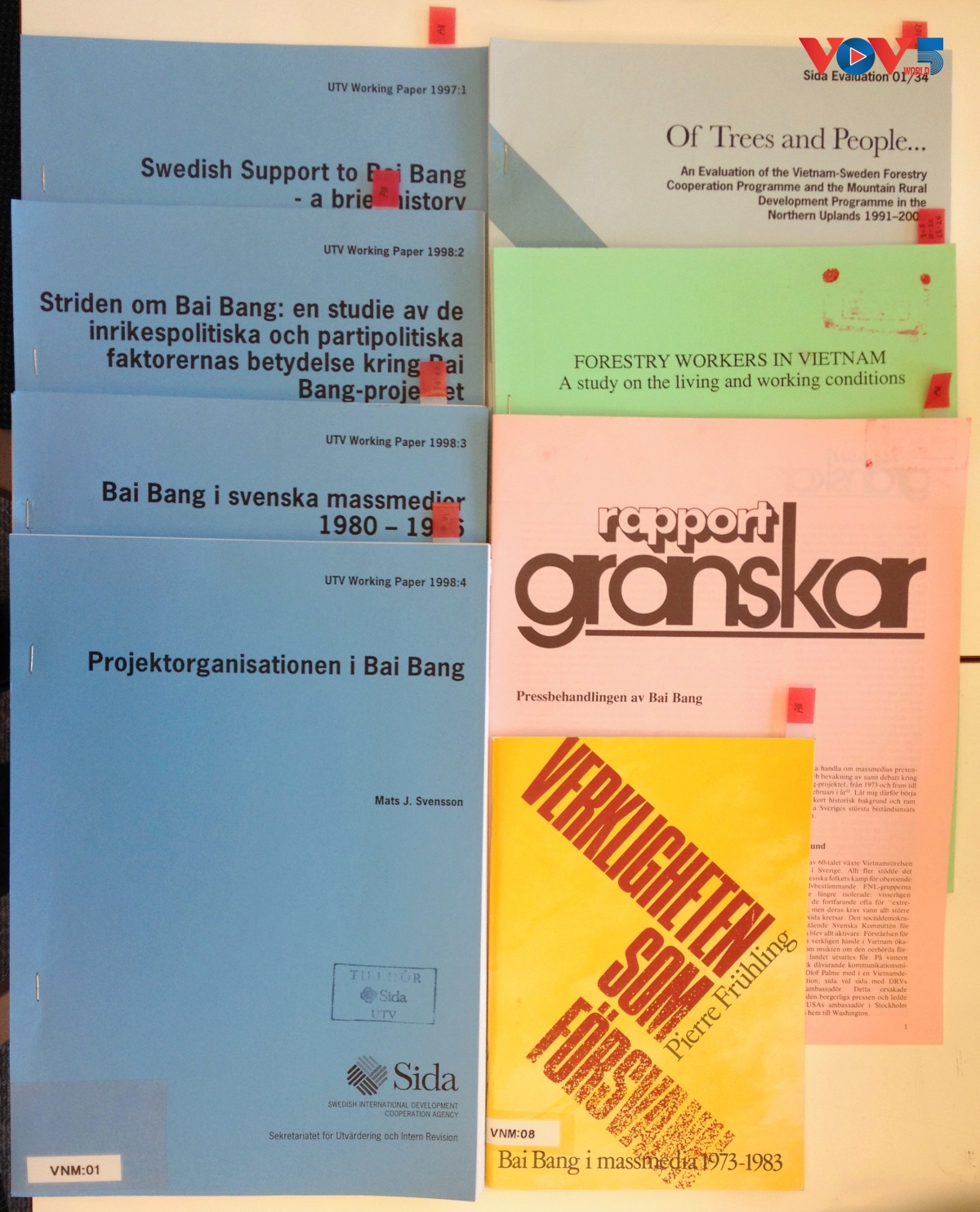
Her research examined how intercultural communication affected trust between Swedish engineers and Vietnamese workers. She uncovered stories about "baibangska", a Swedish slang term referring to the Bai Bang Paper Mill project, or the complex, long-term development aid and engineering collaboration associated with it.
And stories about Swedish quality inspectors wearing T-shirts printed with Vietnamese phrases like Tốt lắm (Very good) or Bốc phét (Lying) to deliver feedback on the factory floor. Ultimately, her thesis paper achieved something beyond its academic goals.
“And I myself during the thesis work and until today, have learnt about one more thing. An important part of someone’s life was written down in my academic paper. Those who joined my interviews had their memories kept in my thesis, for themselves, for their children, and perhaps also for grandchildren. I think it has exceeded the initial purpose, and it’s beautiful," said Huong.
From aid to equal partnership
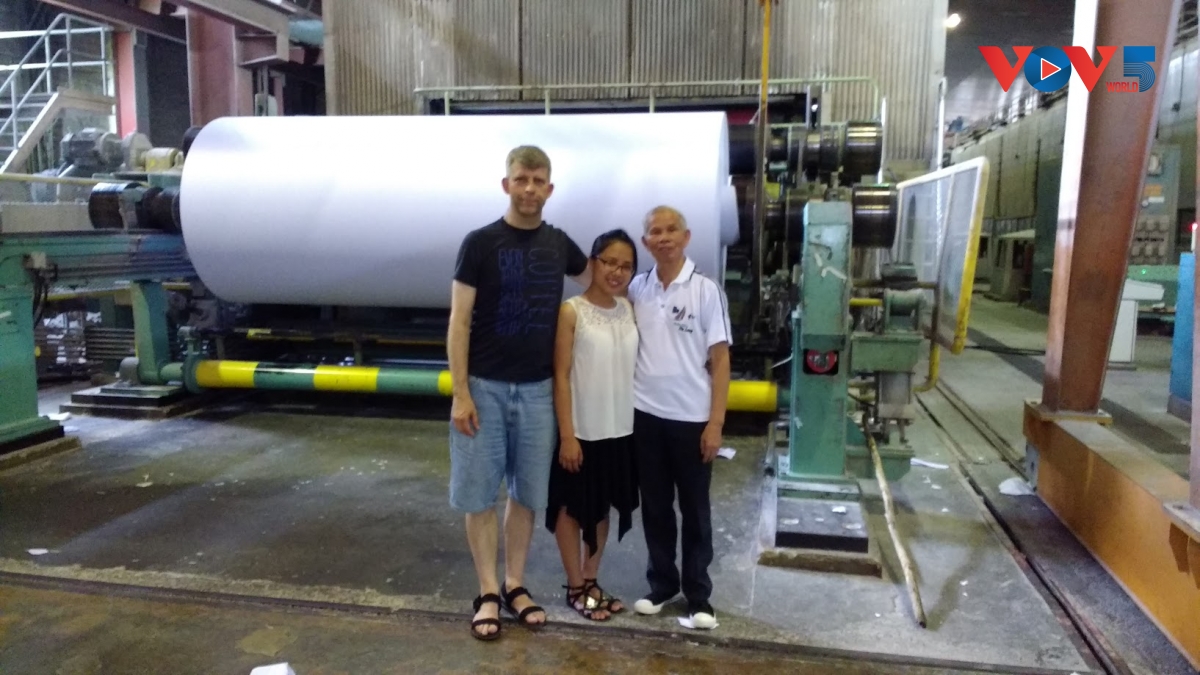
Today, the donor-recipient relationship is over, replaced by partnerships with Swedish giants like Volvo, Ericsson, and IKEA. But Huong believes the deep-rooted goodwill generated by Bai Bang is an underutilized asset.
“When something comes so natural and obvious, you just forget to question the reason behind it, like the 'Giay Bai Bang' logo printed on the dark blue cover notebooks during my younger school time, and like the ABBA’s 'Happy New Year' song that has become Vietnamese Tet music," said Huong, adding, "My initial thought about the Sweden–Vietnam relation has always been positive. But my questions would be: 'How can the Vietnamese communities in Sweden be more included in the activities of both countries’ Embassy, to enable the potentials that this beautiful relation should deserve?”
The living archives
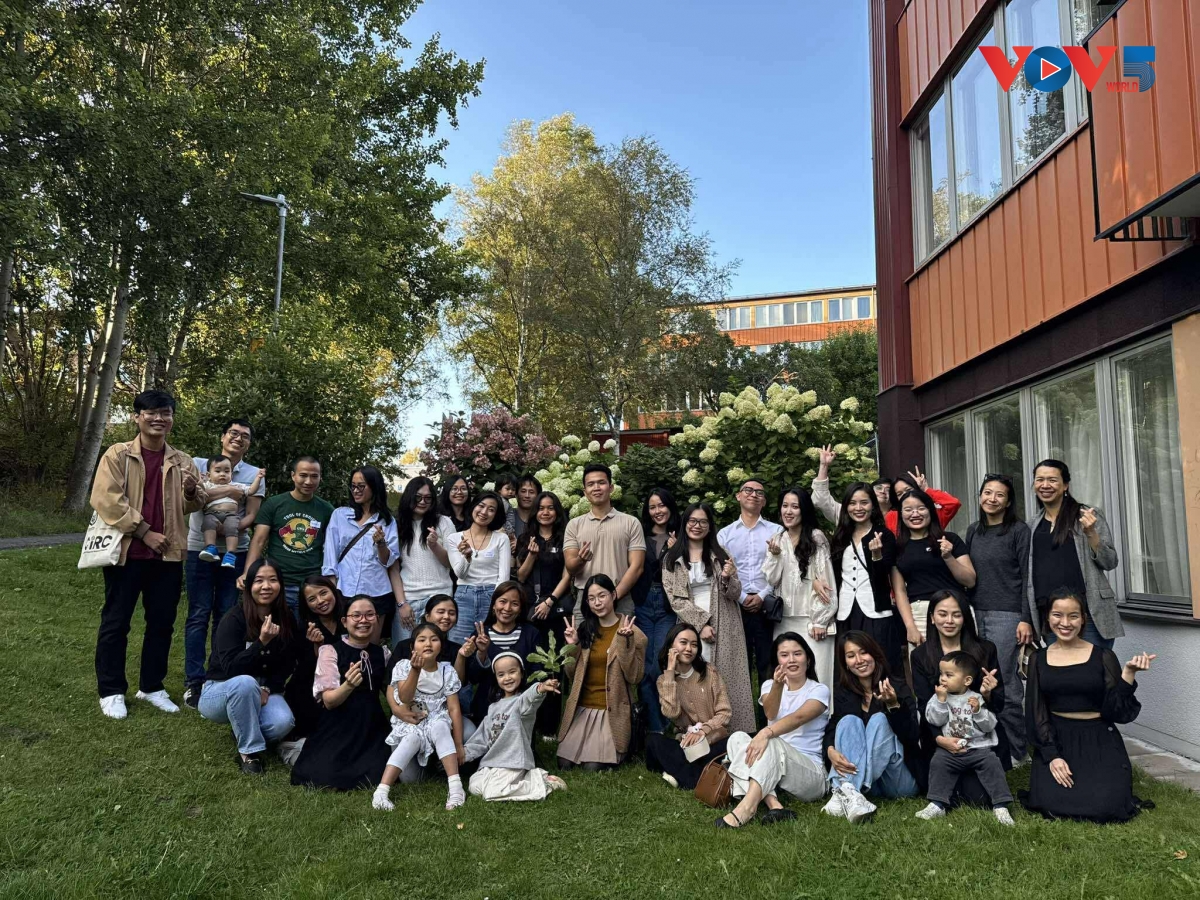
After graduation, Huong took a job in the Legal and Compliance Section of the Volvo Group in Gothenburg. But her role as a cultural conduit has continued. The elderly Baibangare she interviewed still stay in touch in Facebook groups, sharing old photos and links to her thesis. For them, her academic work is proof that their youthful hardships and cross-cultural friendships in northern Vietnam really mattered.
From zero as a foreigner in Gothenburg, today, Huong stands as the living testament to the fact that when human communication is rooted in ethical trust, it can outlast fences, language barriers, and time itself.