







Established in 1889 on the bank of the Red River, Dong Xuan Market soon grew into the largest commercial hub in northern Vietnam. It has undergone numerous renovations and upgrades, and today consists of three floors. Remarkably, it still retains its iconic façade with three arches, a lasting feature of the original structure.
The bas-relief “Hanoi - Winter 1946” stands as a powerful reminder of the heroic days when residents and soldiers defended the capital against French forces.
Today, Dong Xuan Market is not only a trade center but also a popular cultural and historical destination in Hanoi.
“We focus on enhancing the value of Dong Xuan Market in connection with the development of culture, trade, and services to meet the growing needs of traders and tourists. Dong Xuan Market is a long-standing cultural symbol, which sets it apart from other markets in Hanoi,” said Nguyen Song Tung, Chairman of the Dong Xuan Joint Stock Company, assigned to manage the market.
In 2003, the Dong Xuan Night Market was launched, followed by the opening of the Hang Dao-Dong Xuan pedestrian street a year later, forming a cultural and commercial axis associated with the first walking space in the Old Quarter.
In 2024, a pilot electric tourist vehicle route connecting Hoan Kiem Lake and the Thang Long Imperial Citadel, passing through Dong Xuan Market, was introduced, expanding the experiential space for visitors.
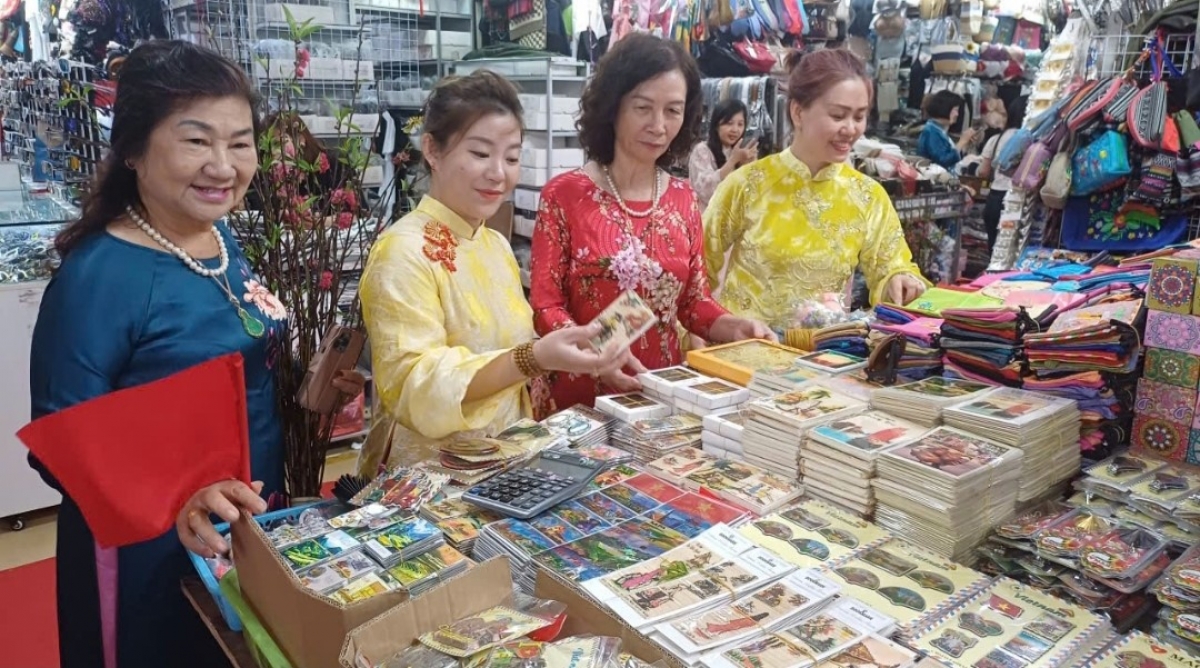
The market currently boasts more than 2,000 household businesses, offering a full range of essential goods as well as a wide variety of souvenirs and gifts.
“I sell handicrafts here. Dong Xuan Market attracts a large number of customers, including both tourists and wholesale buyers,” said trader Le Thi Kim Dung.
Dong Xuan Market and its surrounding areas have been chosen as the central venue for the Hanoi Creative Design Festival 2026, set to take place this November. Creators and designers will present installations that blend heritage with innovation, piloting a cultural and commercial development model that links artisans, designers, and traders in a chain of heritage-creativity-commerce experiences. The initiative is expected to transform the traditional market into a dynamic hub of the creative economy.
“Dong Xuan Market has become cleaner and more well-organized and appealing. A large number of traders now offer a diverse range of goods that reflect the unique characteristics of different regions across the country. As a result, the market continues to grow in terms of cultural value and commercial activities,” said trader Dao Dinh Phu.
Dong Xuan Market has adopted a “zero-waste” model, creating a modern, civilized, and environmentally friendly shopping environment, with a strong emphasis on waste sorting at the source. At the same time, stricter control over goods with clear origins is being implemented to maintain consumer trust.
“The market’s stalls are orderly and well laid out, with products clearly labeled for both price and quality. This reflects a positive step forward for Dong Xuan Market, enhancing the shopping experience for customers. I am very satisfied with the service provided by the vendors and market staff, who offer helpful advice,” a customer said.
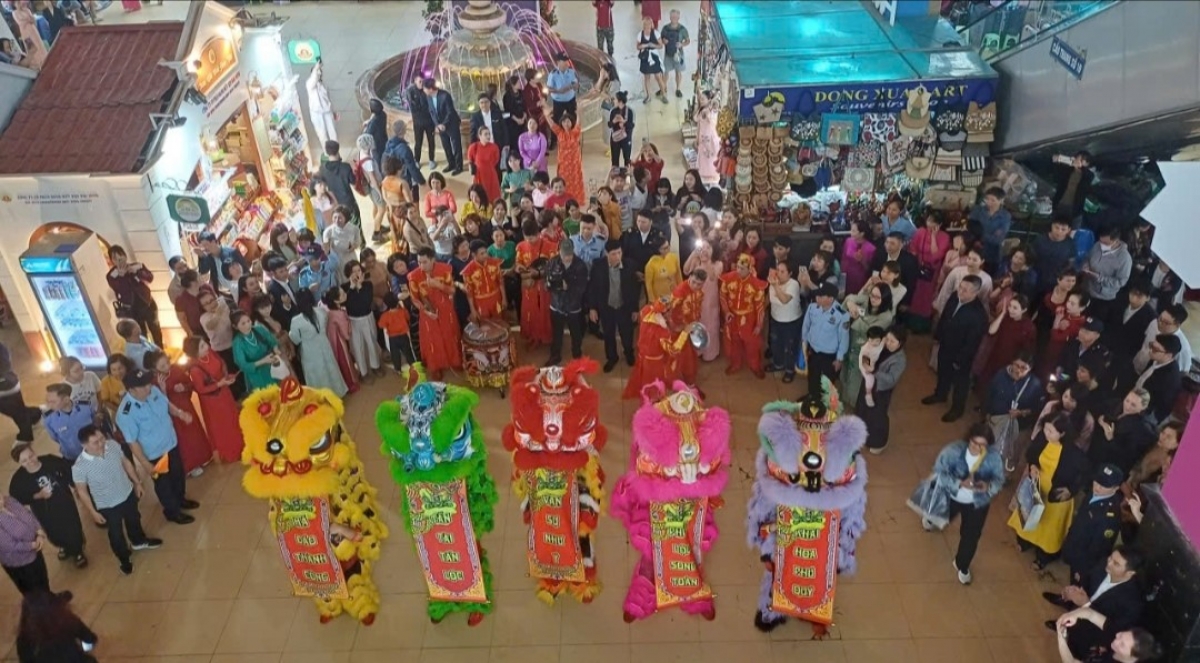
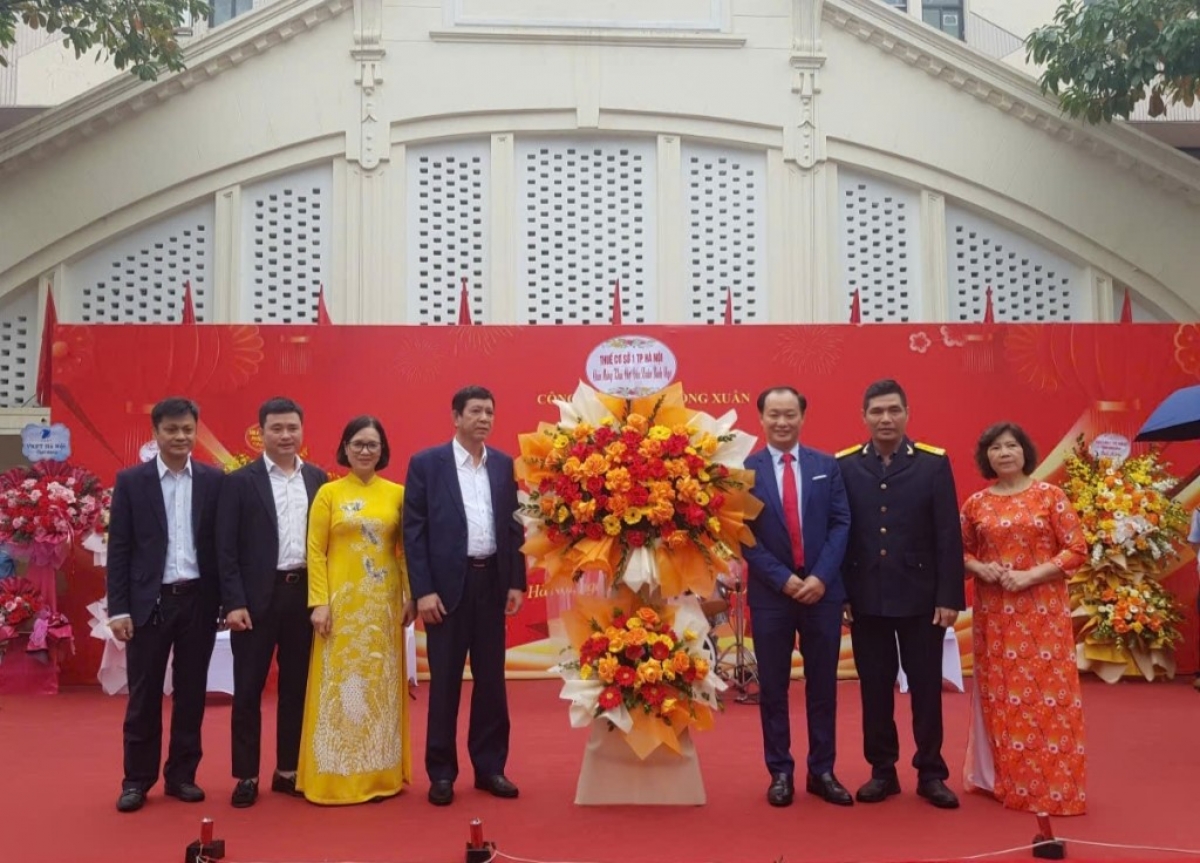
In recent years, Dong Xuan Market has brought back its traditional early spring market-opening festival during the Lunar New Year.


