







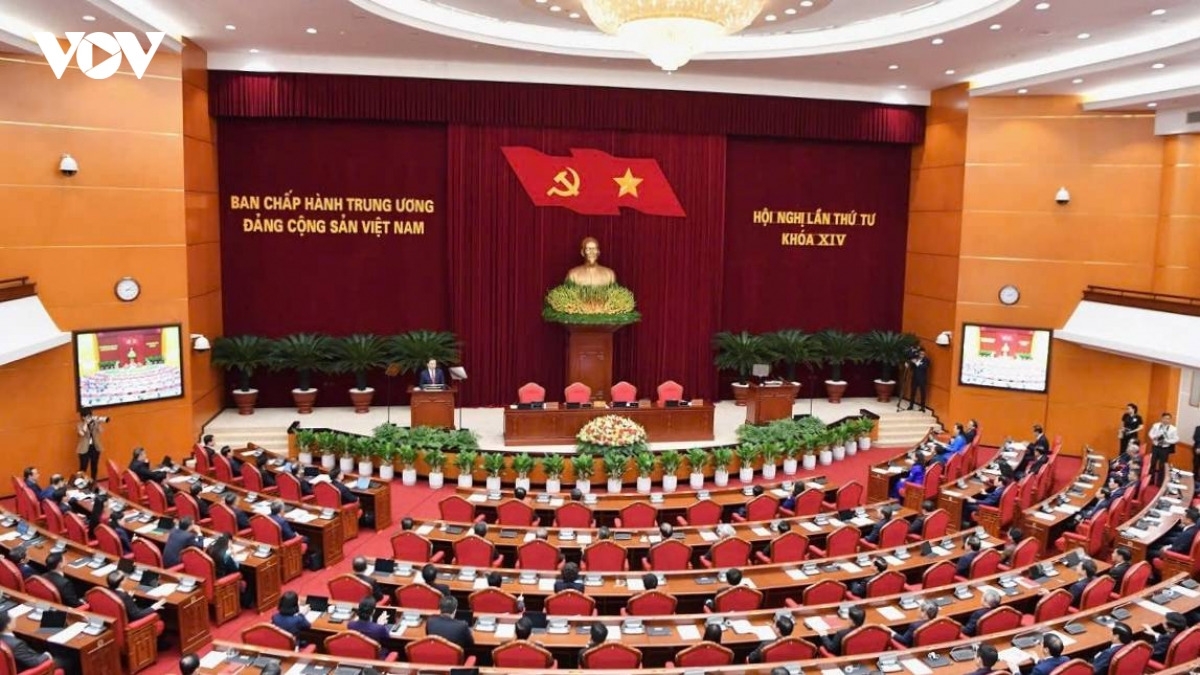
At its 4th plenum in early August, the 14th Party Central Committee adopted Regulation No. 224, replacing Regulation No. 15 on Party members’ engagement in the private economy. The new regulation has a broader scope, reflects the realities of investment and business activities more closely, and matches international practices.
More contributions to production and business
20 years ago, on August 28, 2006, the 10th Party Central Committee issued Regulation No. 15 on Party members’ participation in the private economy, which marked a shift in the Party’s thinking, permitting Party members to engage in private business.
Over the next two decades, the number of Party members involved in the private economy increased more than fivefold, from 35,000 in 2006 to 187,000 in 2026. Party members who are entrepreneurs have made significant contributions to production and business, job creation, tax and other obligations to the State, and social security.
However, according to the Central Commission for Policy and Strategy, Party members’ participation in private-sector development remains below expectations. Of the Party’s 5.6 million members nationwide, only 3.3% are engaged in the private economy.
One reason is that Regulation No. 15 primarily governs Party members outside the public sector who engage in private business. It places significant restrictions on private-sector activities by Party members working in the public sector, even though this group accounts for the largest share of Party membership. Party members make up more than 98% of all civil servants and over 85% of public employees.
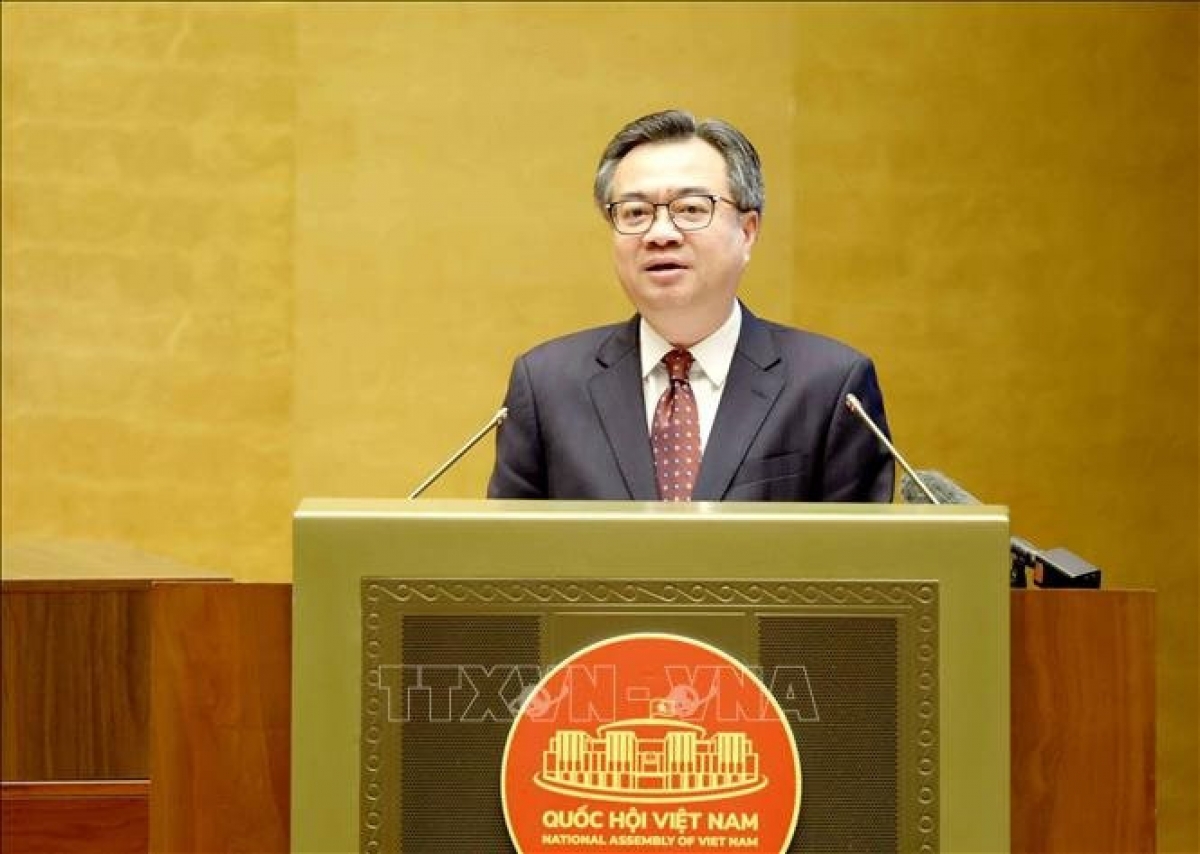
In response to the demands of national development in a new era, Regulation No. 224 was adopted.
Nguyen Thanh Nghi, Chairman of the Central Commission for Policy and Strategy, said: “The new regulation has a broader scope, reflects practical realities more closely, and is consistent with international practices. It aims to promote Party members’ pioneering and exemplary role in economic development. Party members must take the lead in implementing the Party’s guidelines and policies and the State’s laws, and also set an example by making full use of their labor and productive capacities, engaging in business, building legitimate prosperity, fulfilling their social and environmental responsibilities, and making positive contributions to national development in the new era.”
A strategic shift in vision
Under the new approach, Party members are permitted and even encouraged to engage in business to become better off and contribute to national development. The new regulation broadens opportunities for Party members working in the public sector, unlocking their potential to help boost economic growth.
Mac Quoc Anh, Vice Chairman and Secretary-General of the Hanoi Association of Small and Medium Enterprises, said the new approach is a necessary step toward preventing the waste of social resources.
Mr. Anh said: “This policy will enable Party members to make more tangible contributions to the country’s economic development. This is a long-awaited policy that creates conditions for Party members to think innovatively and translate their ideas into action. As Vietnam advances into a new era of development, every Party member will have greater opportunities to apply their abilities and contribute through practical action. When given the conditions to pursue their aspirations, Party members will have stronger motivation to contribute to national development.”
Encouraging Party members to engage in investment and business is a way to harness individual intelligence, resolve, and aspirations to boost national development.
A proper perspective on Party members engaging in investment and business activities helps create a strong appeal for recruiting accomplished entrepreneurs and talented intellectuals into the Party. These individuals are expected not only to generate material value for society but also promote a spirit of respect for the law and a culture of integrity in business, jointly advancing the nation into a new era.


