



Vietnam has steadily reformed its intellectual property laws to meet international integration requirements and turn intellectual assets into resources for socio-economic development.
Improving institutions, strengthening enforcement
For more than two decades, Vietnam’s law on intellectual property has been steadily improved to align more closely with international standards.
Since the first Intellectual Property Law took effect on July 1, 2006, and through revisions made in 2009, 2019, 2022, and 2025, the legal framework has become more comprehensive and modern. It matches domestic development needs and Vietnam’s commitments under new-generation free trade agreements like the Comprehensive and Progressive Agreement for Trans-Pacific Partnership (CPTPP), the Vietnam–European Union Free Trade Agreement (EVFTA), and the Regional Comprehensive Economic Partnership (RCEP).
The revised Intellectual Property Law, which took effect on April 1, 2026, continued to focus on administrative reform but marked an important shift by promoting digital transformation in intellectual property activities. It was expanded to cover the use and commercialization of intellectual assets.
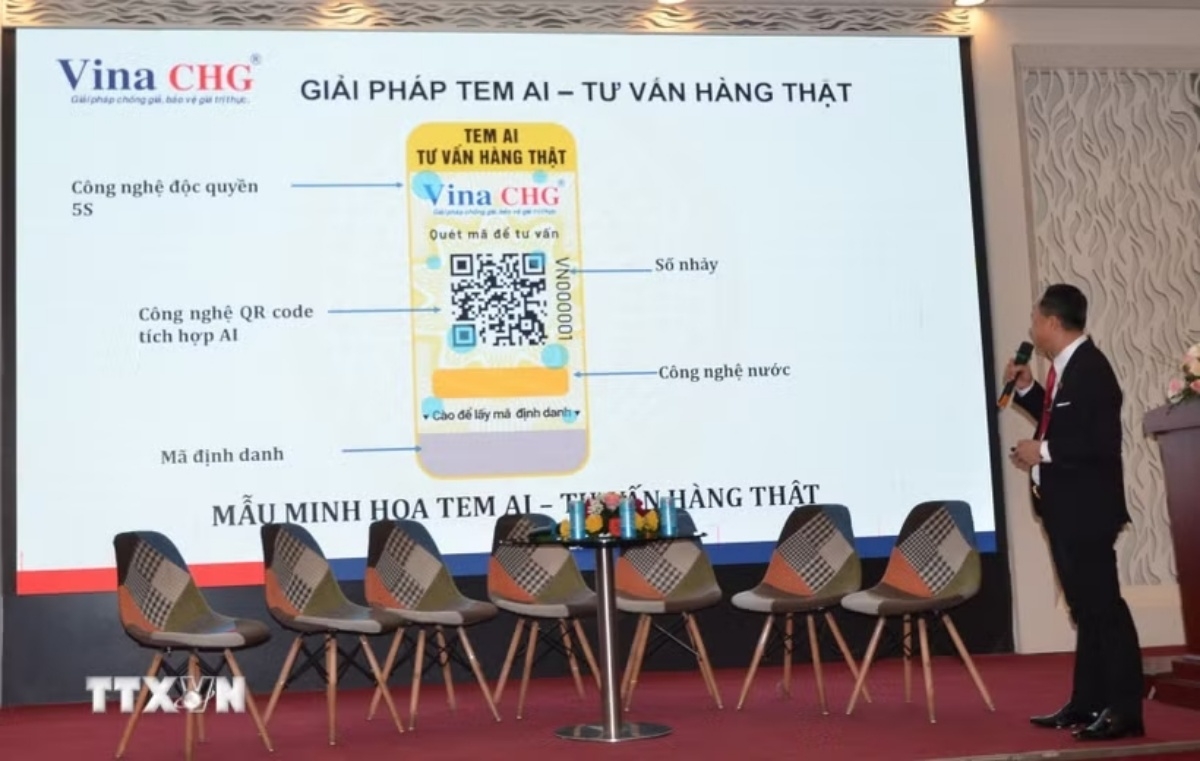
Reforms include shortening the appraisal time for patent, trademark, and industrial design applications; applying fast-track appraisal mechanisms; expanding the scope of protection for digital subjects; and, for the first time, clearly addressing issues related to artificial intelligence.
Nguyen Hoang Giang, Deputy Director General of the Intellectual Property Office at the Ministry of Industry and Trade, said:“The revised Intellectual Property Law supplements civil measures and sanctions. It allows courts to issue orders requiring the removal, concealment, or blocking of access to infringing content in cyberspace. The court is also entitled to issue orders to temporarily disable access to information, content, accounts, websites, applications, or internet identifiers related to acts of infringement as emergency temporary measures.”
In February 2026, the Prime Minister signed Directive 2 on stronger enforcement of intellectual property rights, which improves inter-agency coordination, tightens market management, and more strictly handles of intellectual property rights violations by administrative and criminal measures.
Le Huy Anh, Deputy Director General of the Intellectual Property Office at the Ministry of Industry and Trade, said: “If we do a good job in establishing patent rights but fail in enforcement, the value of intellectual property will decline. Preventing intellectual property rights infringement is extremely important for promoting scientific and technological development, innovation, and creating a healthy business environment.”

Clear progress
Vietnam has gained significant results in protecting intellectual property rights. During the 2021-2025 period, Vietnam received 423,000 industrial property applications, processed 436,000 applications, and granted 255,000 protection certificates. The steady annual growth in domestic patent applications reflects Vietnam’s growing innovation capacity, which is being transformed into real economic value.
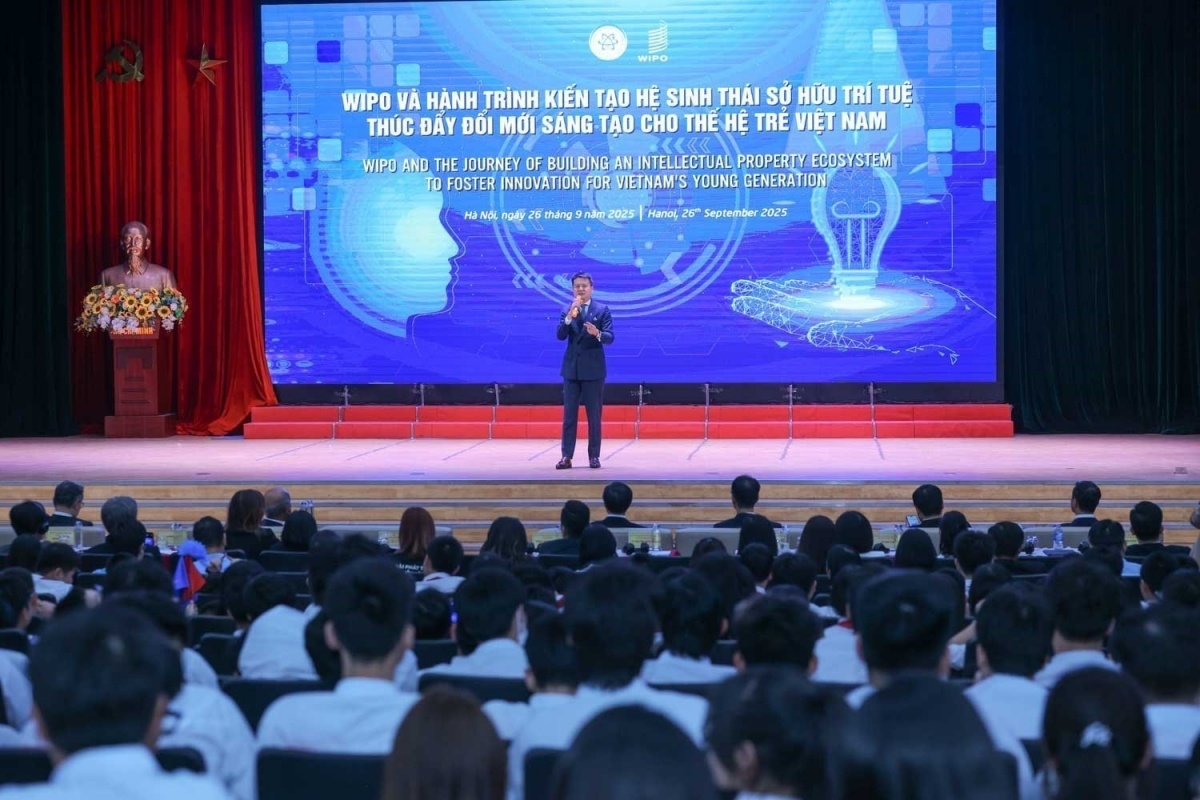
Deep international integration has helped Vietnam gain recognition as one of the world’s fastest-reforming countries in intellectual property. Vietnam has joined multilateral and bilateral cooperation mechanisms, including the World Intellectual Property Organization (WIPO), the World Trade Organization (WTO), and the Association of Southeast Asian Nations (ASEAN), and other global intellectual property agencies, thereby improving its own systems and operational capacity.
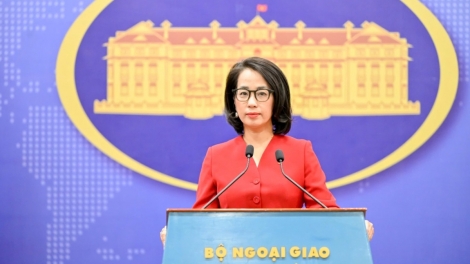
In its foreign policy Vietnam has consistently demonstrated a spirit of goodwill and cooperation, as affirmed by Foreign Ministry spokesperson Pham Thu Hang. Vietnam has made great efforts to protect intellectual property, by strengthening its regulations, by raising public awareness, and by strengthening cooperation with WIPO, the United States, and many other countries. Vietnam’s policy is to build a healthy and transparent business environment and make science, technology, innovation, and digital transformation the main drivers of its growth model.
In a context of fierce global competition and a rapidly developing digital economy, these changes help to enhance internal strength, ensure a transparent and sustainable business environment, and promote innovation.