








The right to lawful residence is guaranteed under Vietnam’s Constitution and legal framework. The Housing Law clearly affirms a citizen’s right to legal home ownership. This demonstrates that providing housing is the responsibility of a State that places people at the center of development.
Building a sustainable housing ecosystem
In recent years, rapid urbanization and labor migration have significantly increased housing demand among low-income workers in urban areas. However, the supply of affordable housing is insufficient and bottlenecks persist in land allocation, investment procedures, and credit mechanisms. Unresolved housing problems place pressure on urban infrastructure, education, healthcare, social security, and long-term economic growth.
In this context, Vietnam has introduced a series of policies that treat housing development as a social welfare priority and a national development strategy.
At a meeting on rental housing development in Hanoi on Monday, Prime Minister Le Minh Hung said: “The State will play a facilitating role, establishing institutions, policies, planning frameworks, and financial and credit instruments to ensure the market develops in a healthy, transparent manner. We will introduce mechanisms and policies to mobilize businesses and social resources to participate with reasonable profits while ensuring that people have access to stable, long-term, safe housing that suits their financial capacity.”
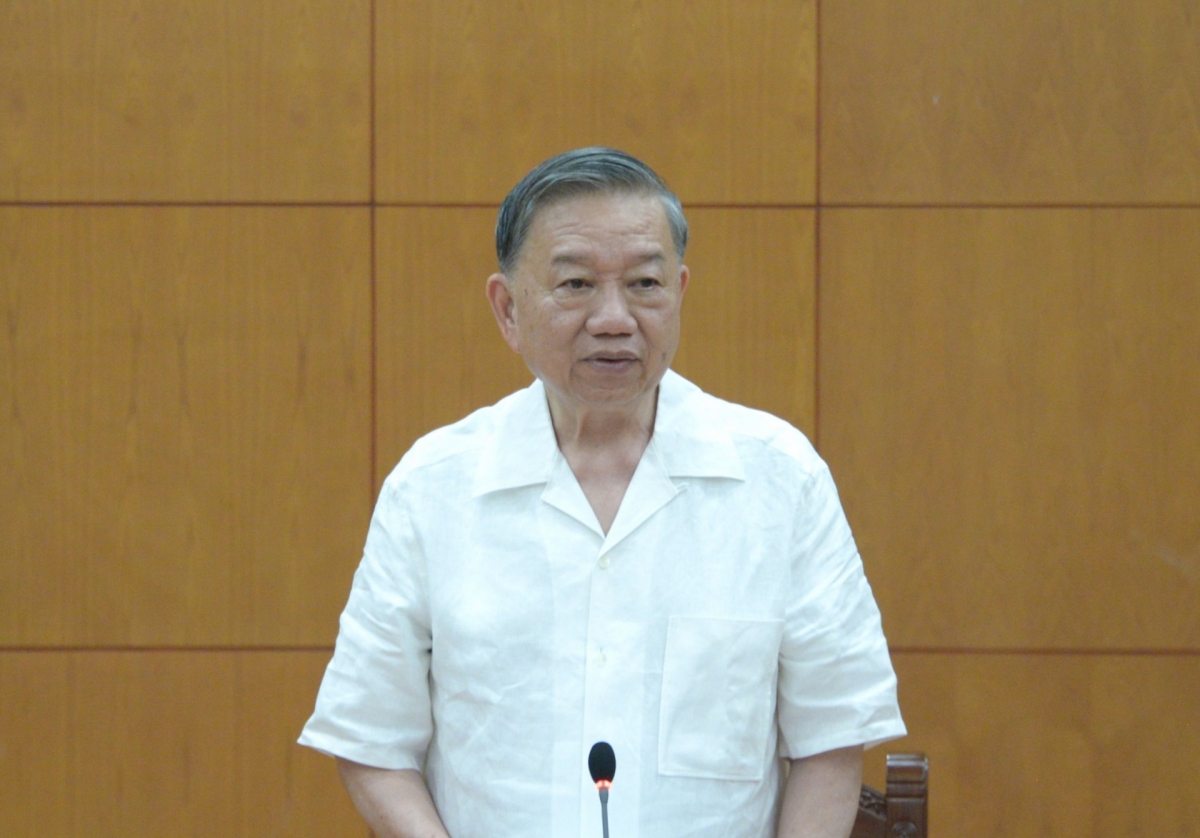
With this approach the State does not replace the market, but guides the market toward balancing the interests of businesses and citizens. This keeps the real estate market from being distorted by speculation or catering only to high-income groups.
Vietnam has clearly identified rental housing as a long-term strategic segment, reflecting a shift in housing development thinking. Not everyone can afford to buy a home, but every citizen should have access to stable and safe housing. In many developed countries, rental housing is a pillar of social welfare and urban development. Vietnam’s growing focus on rental housing shows that its housing policies are aligning with real social needs and modern development trends.
Other measures being accelerated include the establishment of a National Housing Fund, prioritizing land resources for social housing, developing accommodations for workers, expanding access for laborers, and streamlining investment procedures to shorten project implementation timelines.
Ensuring every citizen’s right to safe housing
Recent housing development policies and initiatives reaffirm Vietnam’s conviction that development must go hand in hand with social progress and justice. Throughout the national development process, the State has paid attention to both economic growth and safeguarding citizens’ fundamental rights, including the right to safe housing.
At a working session with the Government Party Committee on implementing Directive 34 of the Party Central Committee’s Secretariat regarding stronger Party leadership in social housing development, General Secretary and State President To Lam said housing policy in the new era must have a new mindset and a new vision.
Mr. Lam said: “Housing must be incorporated into the national urban development strategy, covering urban areas, industrial parks, economic zones, growth regions, and development corridors. Housing planning must go hand in hand with technical infrastructure and social services, ensuring adequate cultural and community facilities for residents. The State must create land reserves, planning frameworks, financial support mechanisms, standards, and regulations, while simplifying administrative procedures. The market should participate in construction and operation with reasonable benefits, and citizens must have access to stable, safe, affordable housing targeted to the right beneficiaries. Rental housing must become a strategic pillar.”

One measure of the development of a nation is whether all citizens have a chance to attain a stable life through their own labor. The housing policies currently being implemented in Vietnam affirm an inclusive, people-centered development that ensures that no one is left behind.


