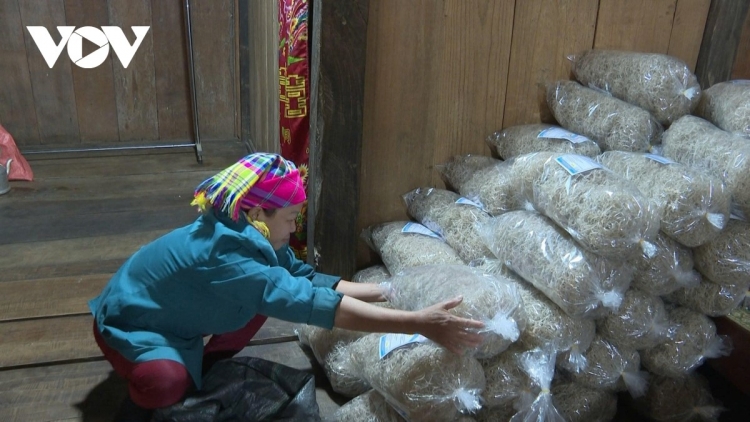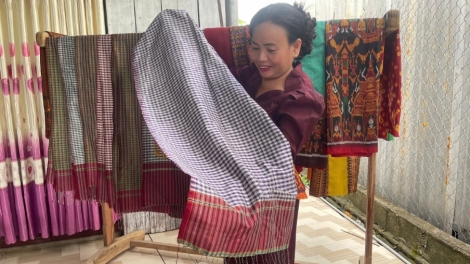




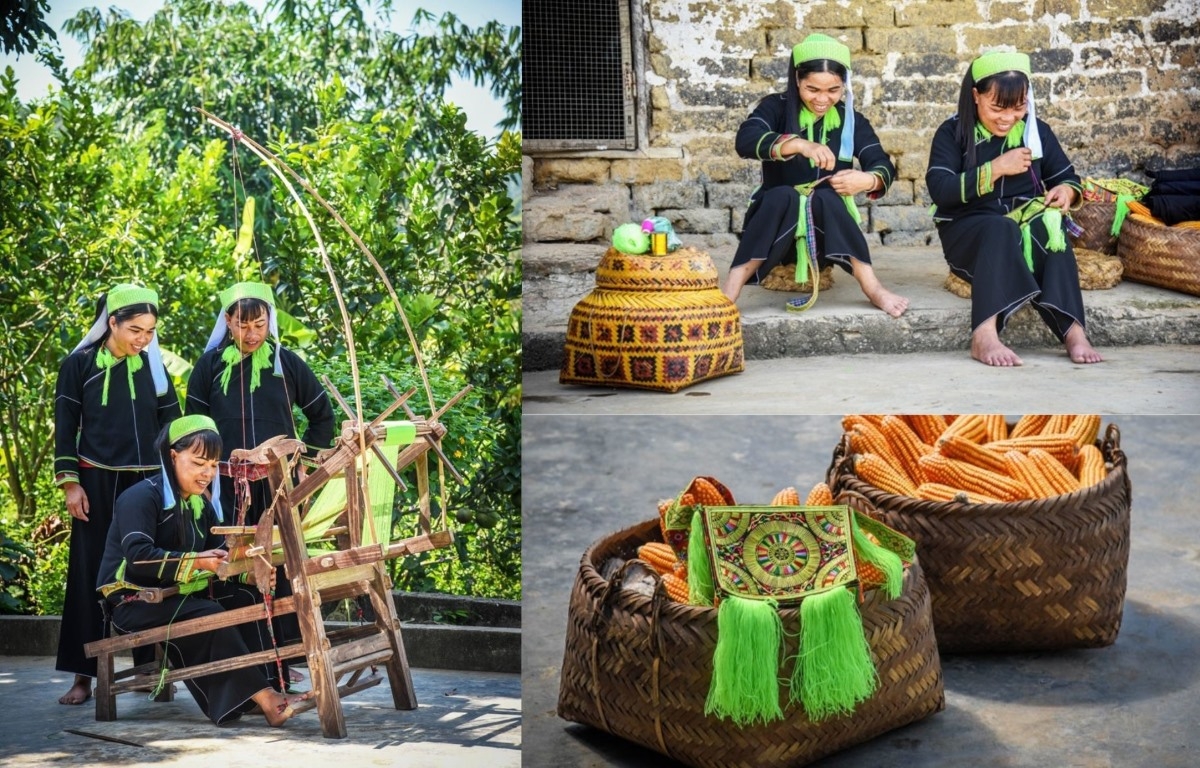
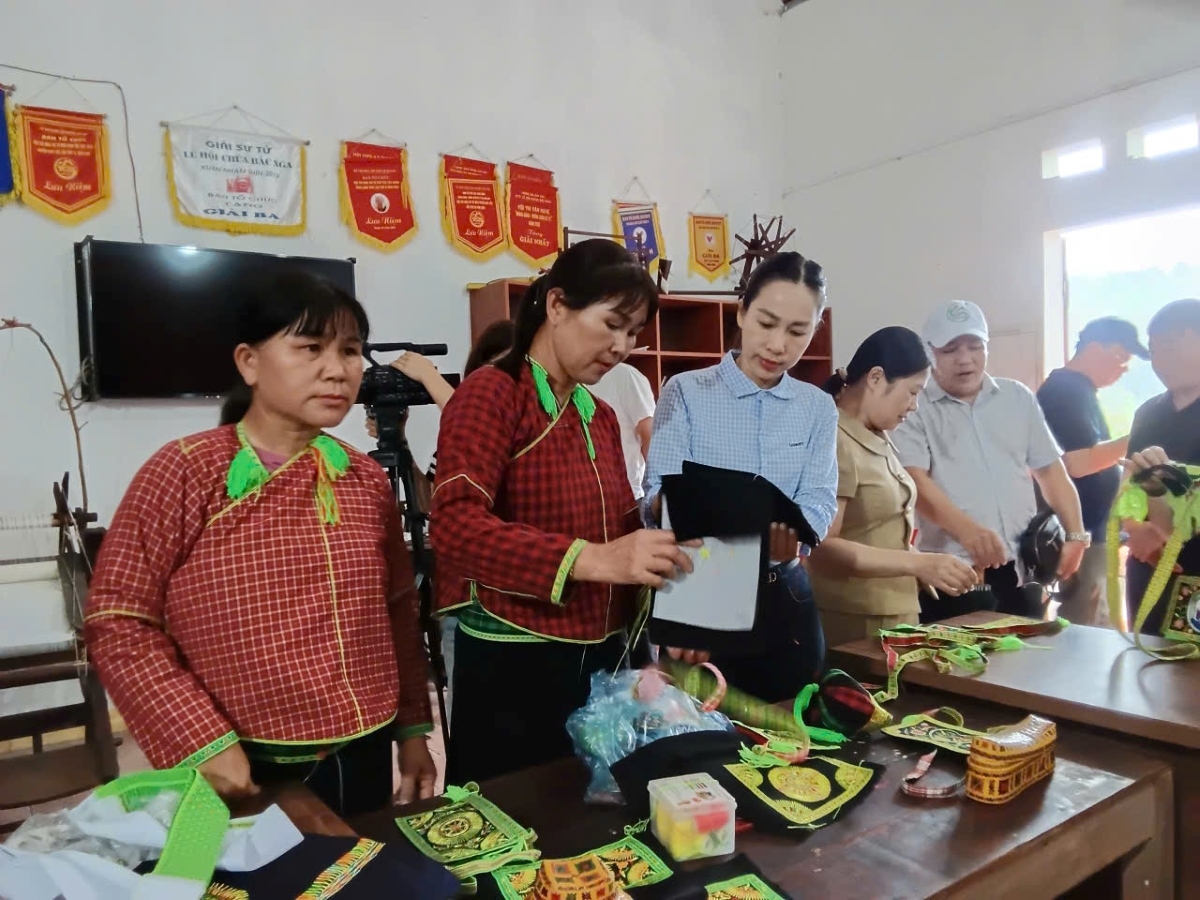
In a modest house, women are diligently weaving indigo clothing. Some embroider intricate patterns by hand. Others operate looms or sew garments in an industrious ambience. Despite rapid urbanization, many Nung families continue to wear their traditional attire during festivals, Lunar New Year celebrations, weddings, and community cultural events.
Artisan Ha Thi Thom, who has spent more than 40 years embroidering and sewing traditional clothing, said, "The Nung people still maintain this craft today. We make headscarves to wear to markets and festivals. Large bags are used for festivals, while smaller ones are for everyday life."
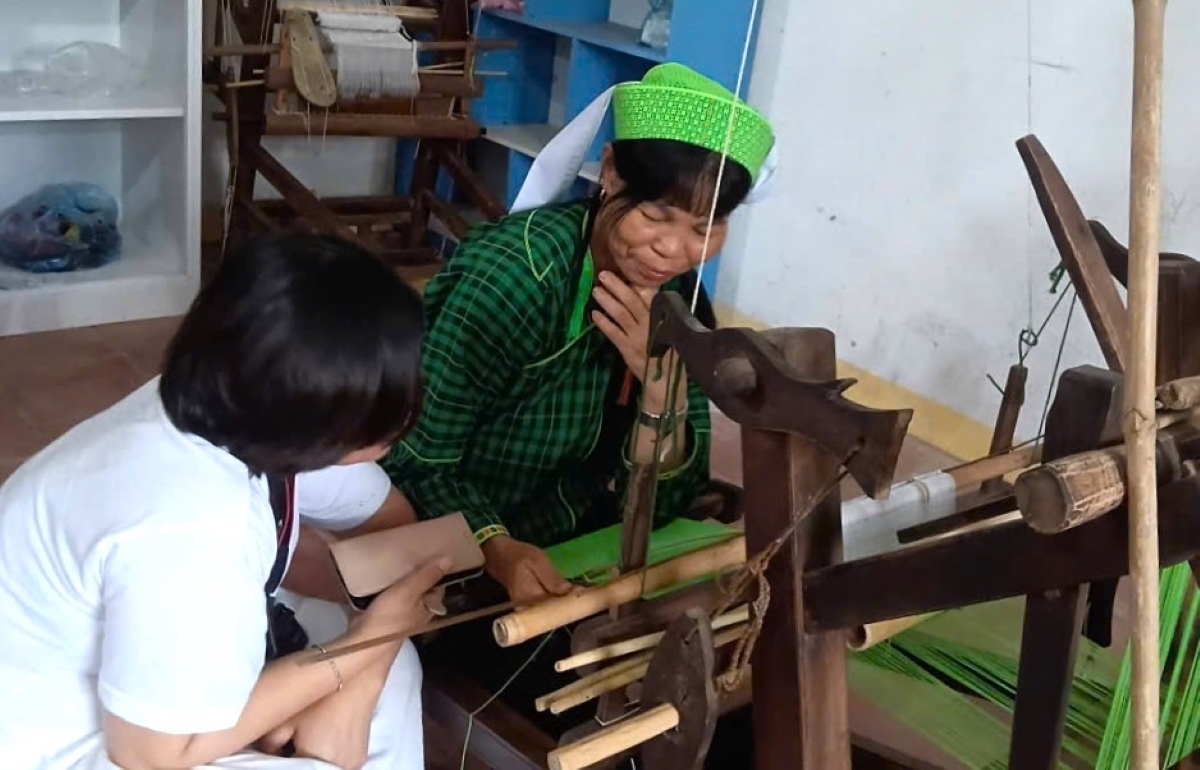
The Nung Phan Slinh are renowned for their distinctive indigo garments. Hand-embroidered motifs appear in soft, balanced lines against the deep-blue fabric. The motifs are inspired by nature – mountains, forests, flowers – and everyday life. Completing a traditional outfit can take several weeks. The most demanding stage is the hand embroidery. A single misplaced stitch can disrupt the pattern.
Artisan Hua Thi Phuc said, "This is yellow thread, this is yarn, and these are green and red threads. We combine three or four colors to create the hem for the trousers. Every stitch must be done carefully and precisely. It takes me five days just to complete one headscarf."
For generations, this craft has been an integral part of Nung Phan Slinh life in Ky Lua ward. Villagers say they grew up learning it from their parents and grandparents. Their hand-embroidered garments now attract many visitors.
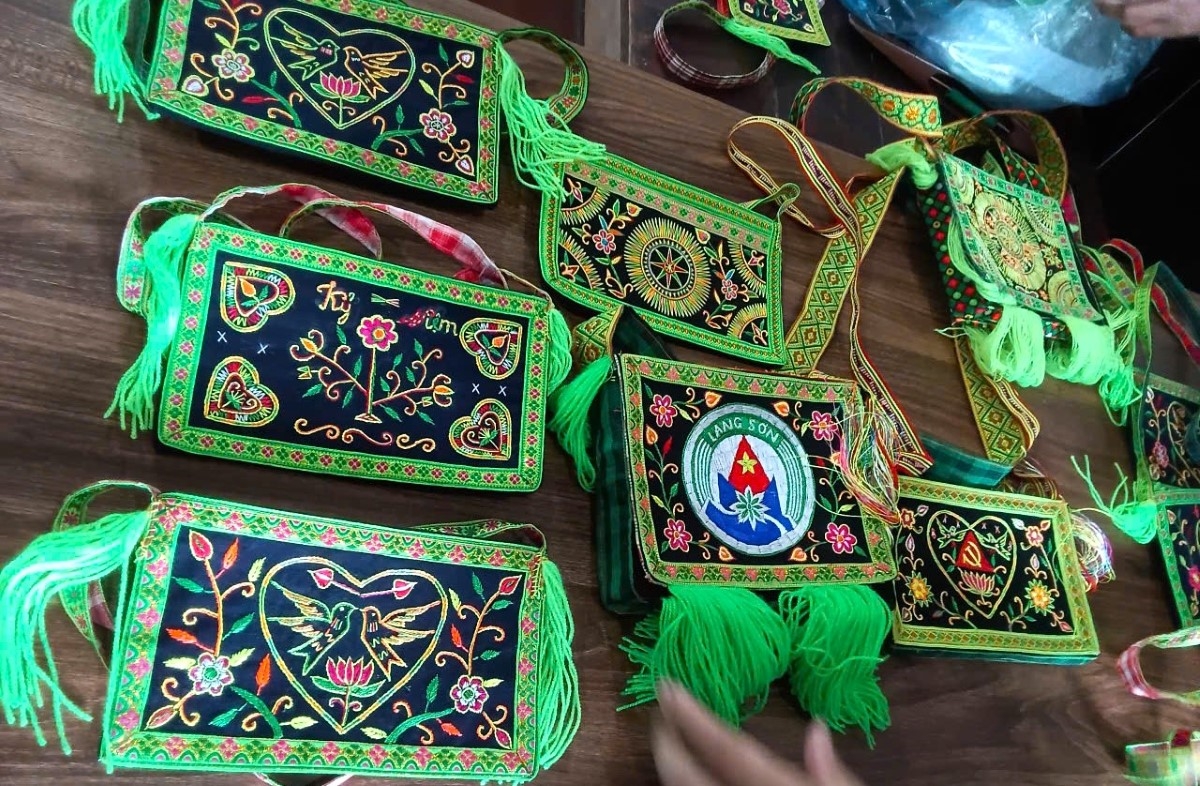
Tourists visiting Lang Son look for indigo shirts, brocade bags, and traditional headscarves as meaningful souvenirs that capture the identity of the region. After visiting a Nung Phan Slinh brocade showroom in Lang Son, a Hanoi resident named Nguyen Viet Dung said that he was amazed by the intricate details.
“Everything is handmade and sophisticated. These products reflect skill, patience, and dedication. The embroidery shows how much effort and time goes into each piece. I think framed hand-embroidered artworks could become valuable products for tourists to purchase and display," said Dung.
Amid the busy pace of modern life, the embroidery village of the Nung Phan Slinh people is a place to explore indigenous culture and craftsmanship. According to Ho Thi To Uyen, Vice Chairwoman of the Ky Lua ward People’s Committee, traditional Nung Phan Slinh embroidered products have not yet reached a wide market.
“In the future, we plan to create a dedicated space where local artisans can interact directly with visitors. Tourists will be able to take part in every stage of the process, from dyeing and weaving to embroidery. We want to tell the story behind each product so visitors can better understand the cultural values embodied in the craftsmanship of the Nung Phan Slinh people," said Uyen.
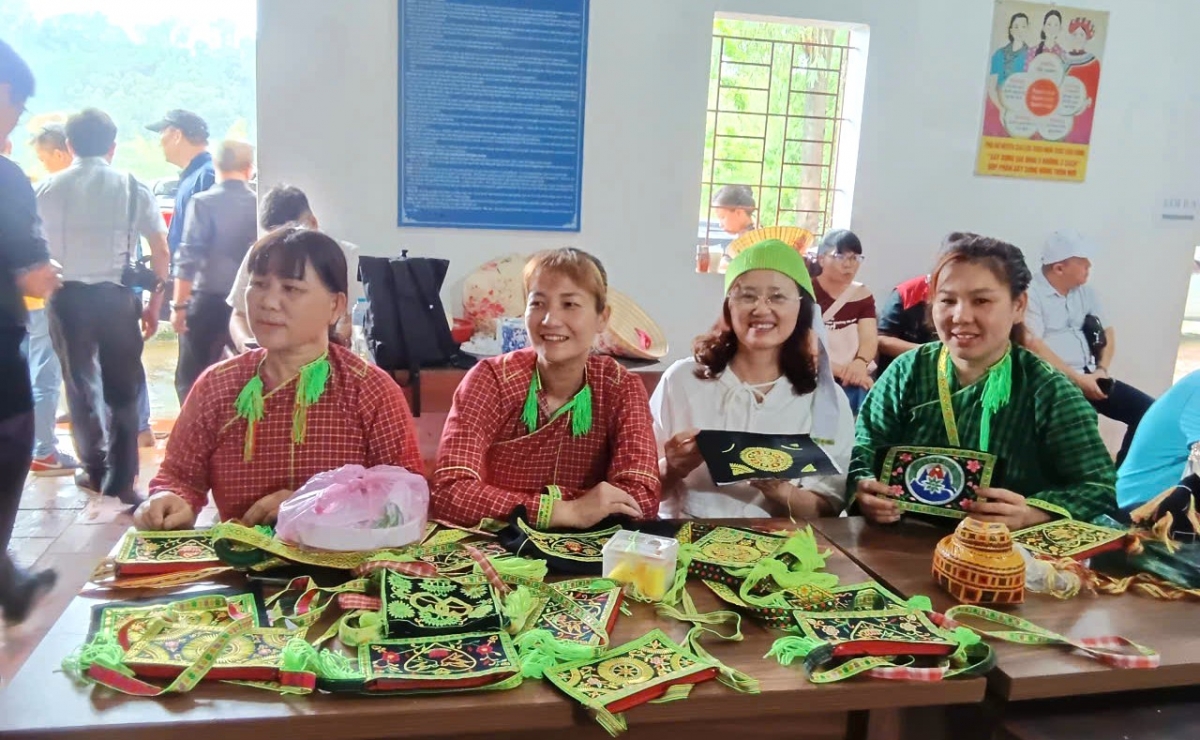
Some values can’t be measured in economic terms. For instance, the cultural memories, collective stories, and ancestral knowledge preserved in the shirts, headscarves, and brocade bags of the Nung Phan Slinh.