



The 2026 FIFA World Cup will be the first global football tournament to feature an expanded 48-team format, up from 32 teams. The new structure introduces 12 groups in the opening stage and adds a round of 32 to the knockout phase.
Compared to the 64 matches of recent World Cups, this year’s tournament features 104 matches, up 40 matches.
The tournament is being held in the US, Canada, and Mexico, marking the second time that it will be played in multiple countries, with Japan and South Korea sharing the 2002 edition.
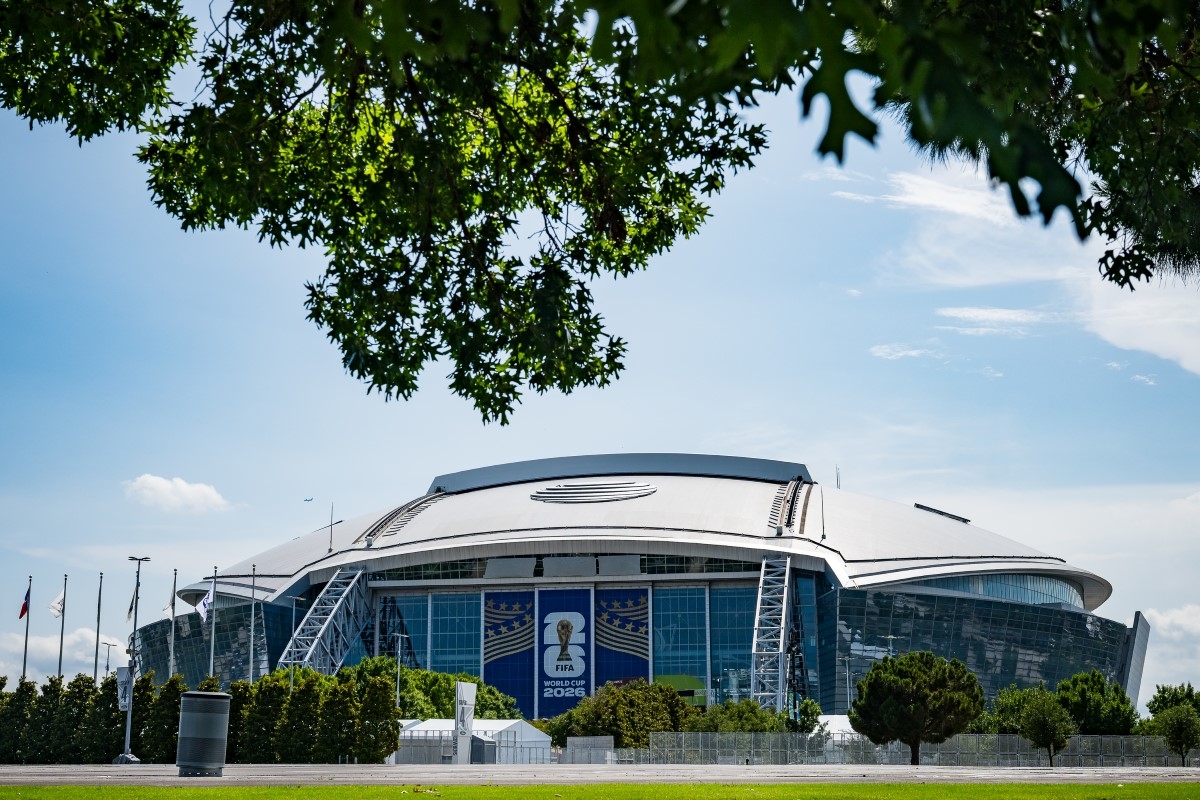
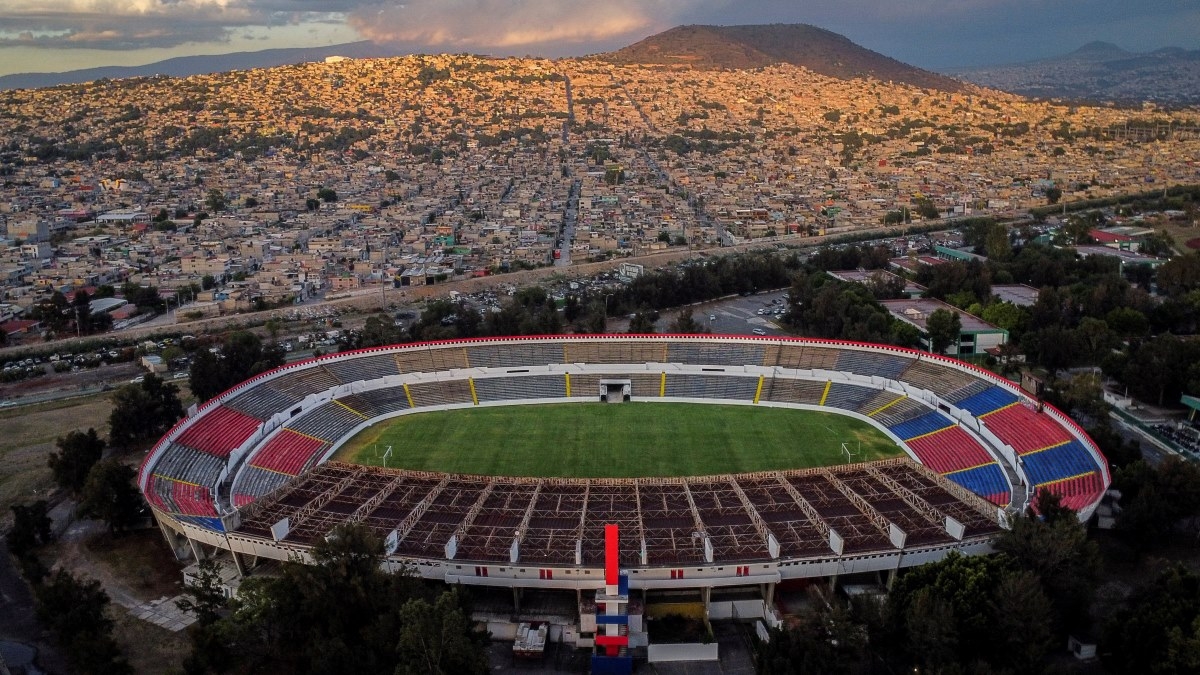
There will be 11 venues in the US, three in Mexico and two in Canada. Mexico will host 13 matches, including the opener in Mexico City on Thursday, June 11, between the host team and South Africa, and three additional matches in the knockout rounds. The final round will take place at MetLife Stadium in New Jersey on July 19.
Here are some other stats to watch during the 2026 World Cup. There is a record 1,248 players on the rosters, drawn from 449 domestic clubs in 71 countries. There are 357 players with World Cup experience, along with 891 first-timers.
There are four countries making their World Cup debuts, with Cape Verde, Curaçao, Jordan, and Uzbekistan being the newcomers this time around. That will increase the total number of countries competing in the World Cup to all-time high of 84.
While this global sporting event has sparked immense excitement, it also brings unprecedented challenges including geopolitical crises, particularly the tensions between the US and Iran, the risk of infectious diseases such as measles, Ebola, or Covid-19, soaring ticket prices, and extreme weather.

According to a recent study by Climate Central, climate change is significantly increasing the likelihood of a performance-impairing temperature threshold of 28°C during the tournament.
Dr. Theodore Keeping, a climate scientist and Research Associate at Imperial College London, said, “The three cities most affected by extreme heat this World cup are the three with air conditioning. So that's Dallas, Houston, and Atlanta. And even though the players are likely to be shielded from the effect of extreme heat there, that doesn't mean that fans will be. The other places that are really going to be exposed to extreme heat are Miami, Kansas City, Philadelphia, and New York.”
World Cup 2026 is also a grueling litmus test for global security and public health response systems in managing the massive gatherings.