[VOVWORLD] - More than five decades after the war ended and peace was restored, many fallen soldiers still remain beneath the soil of the motherland and on former battlefields, awaiting their journey home.
The 500-Day Campaign to Accelerate the Search, Recovery, and Identification of Fallen Soldiers’ Remains goes beyond a government program. It embodies the nation’s unwavering determination to account for every fallen soldier and reflects the profound debt of gratitude owed by today’s generation to those who sacrificed their lives for Vietnam.
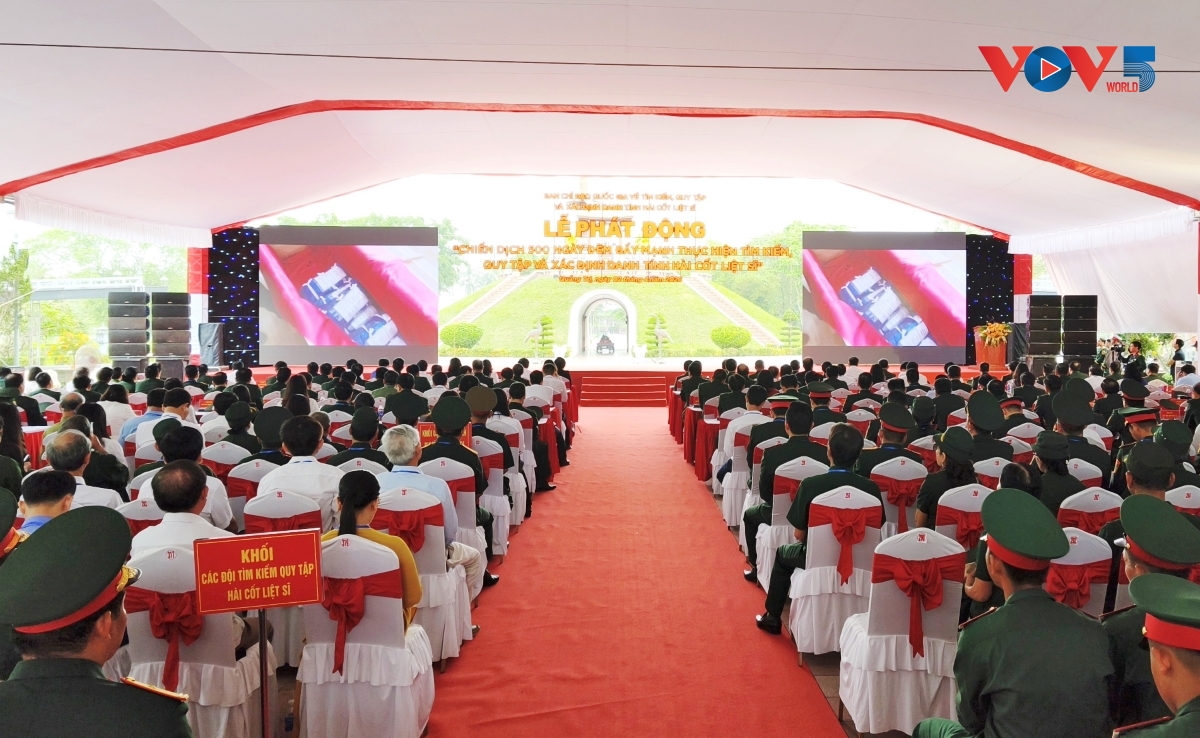
On April 2, 2026 the National Steering Committee launched the campaign at the special national relic site of the Quang Tri Ancient Citadel. [Photo: Thanh Hieu/VOV Central Region]
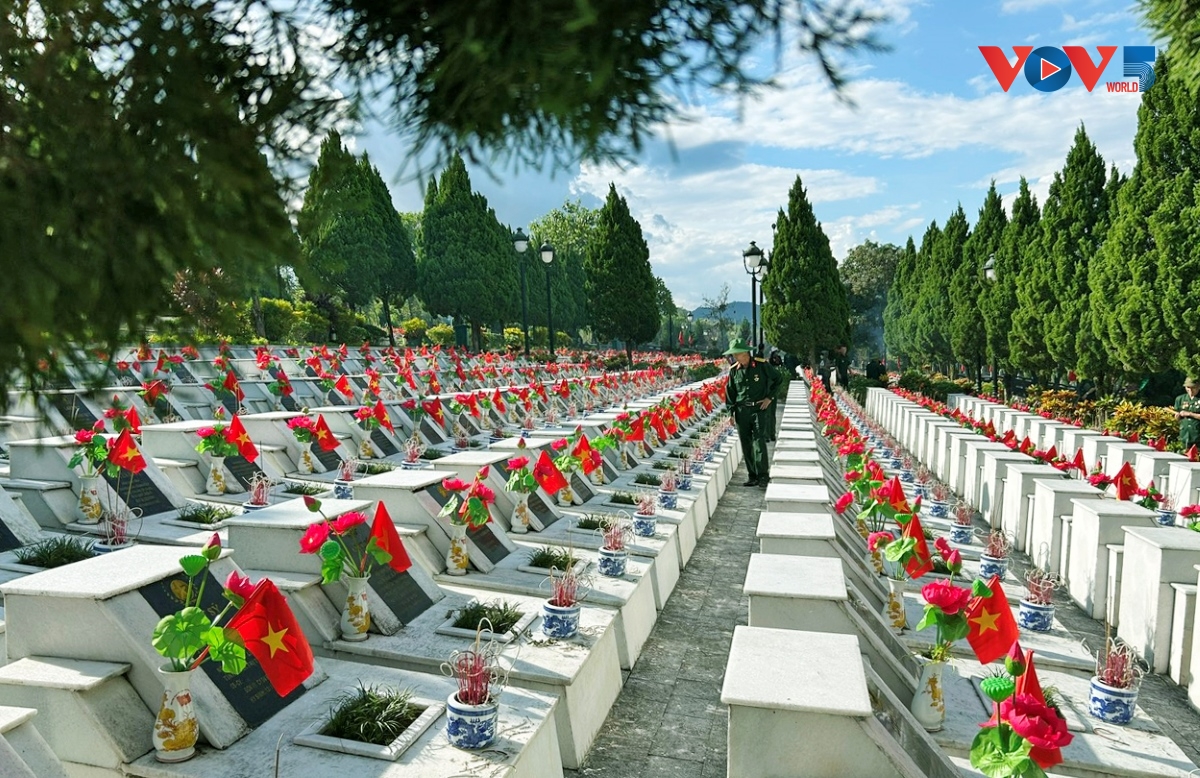
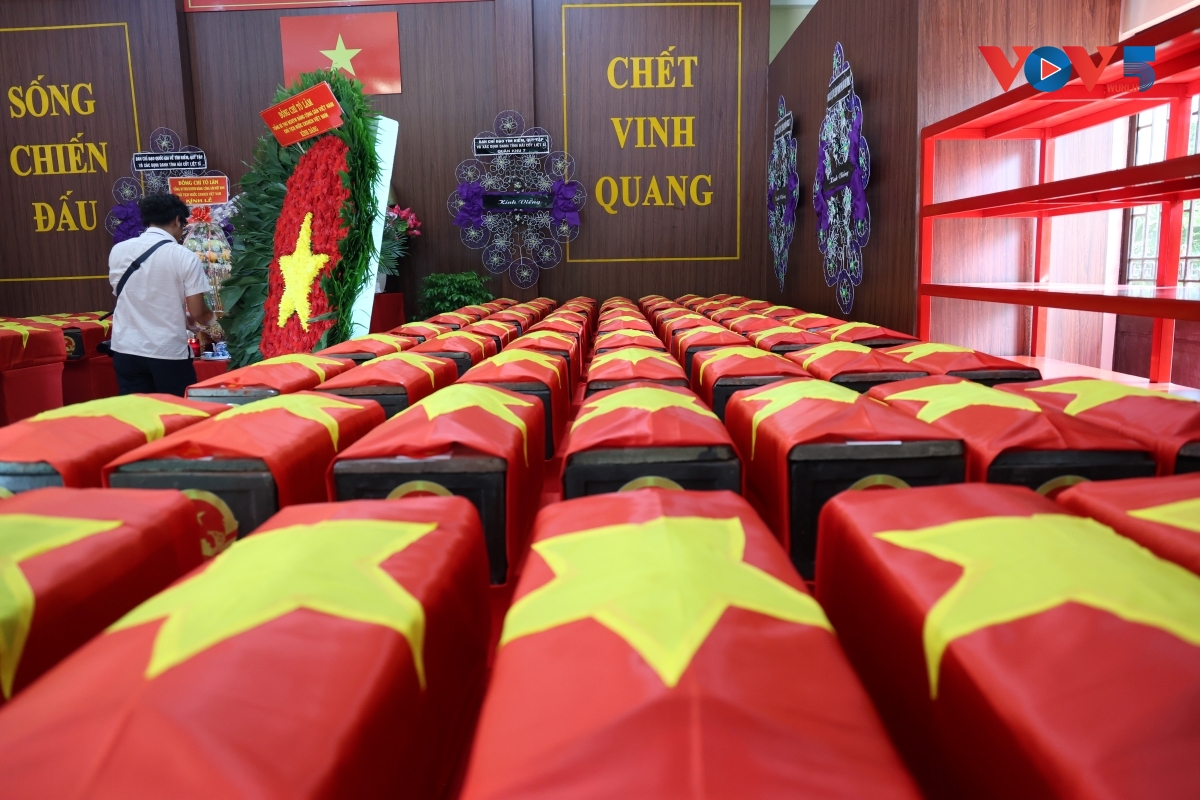
Rows of graves stand as a lasting tribute to the immense sacrifices made by generations of fallen soldiers for the peace Vietnam enjoys today. [Photo: Kim Thanh/VOV]
In a letter marking the 79th anniversary of War Invalids and Martyrs’ Day, General Secretary and President To Lam described the campaign as “a call from the heart” and “a peacetime mission to find those who made peace possible.” He said the campaign carries forward Vietnam’s enduring tradition of gratitude, embodied in the values of “When drinking water, remember its source” and “Repaying those who made sacrifices for the nation.” [Photo: The Anh/nhandan.vn]
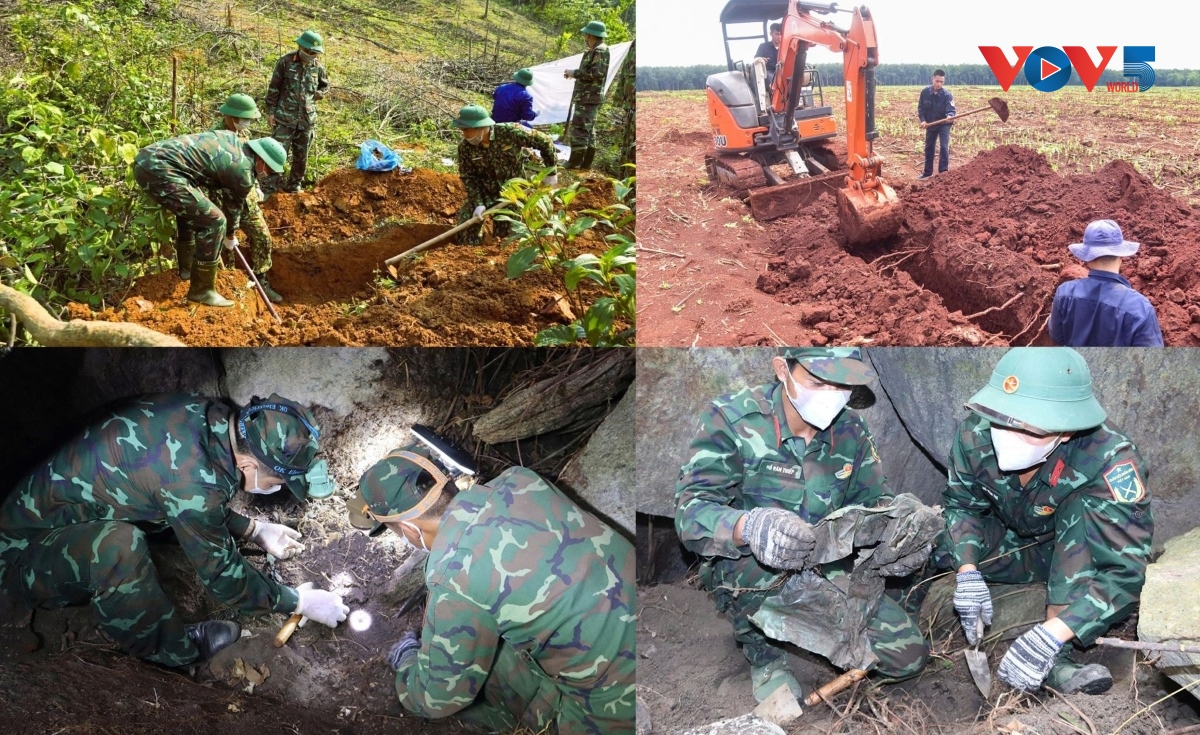
Through meetings with historical witnesses, search teams conduct field surveys in areas that were once fierce battlefields, patiently following every lead and trace left behind. [Photo: VOV]
Despite difficult terrain, harsh weather, and fading traces of war, the search continues through the perseverance of young soldiers. [Photo: VOV]
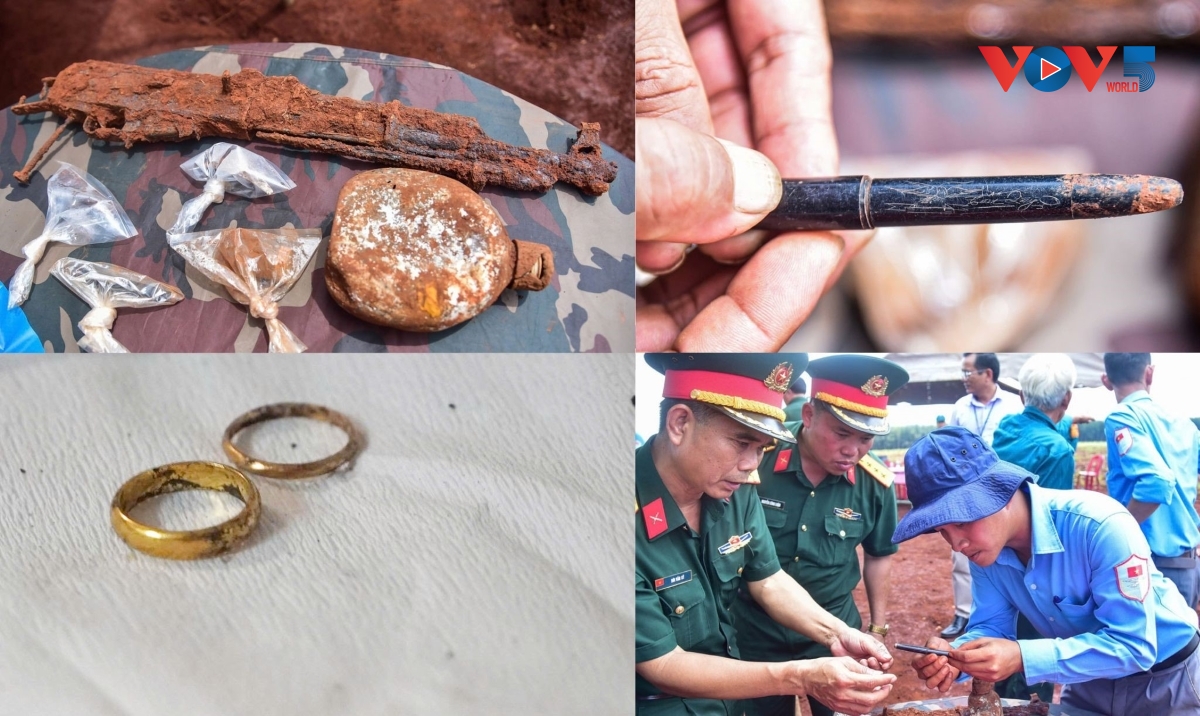
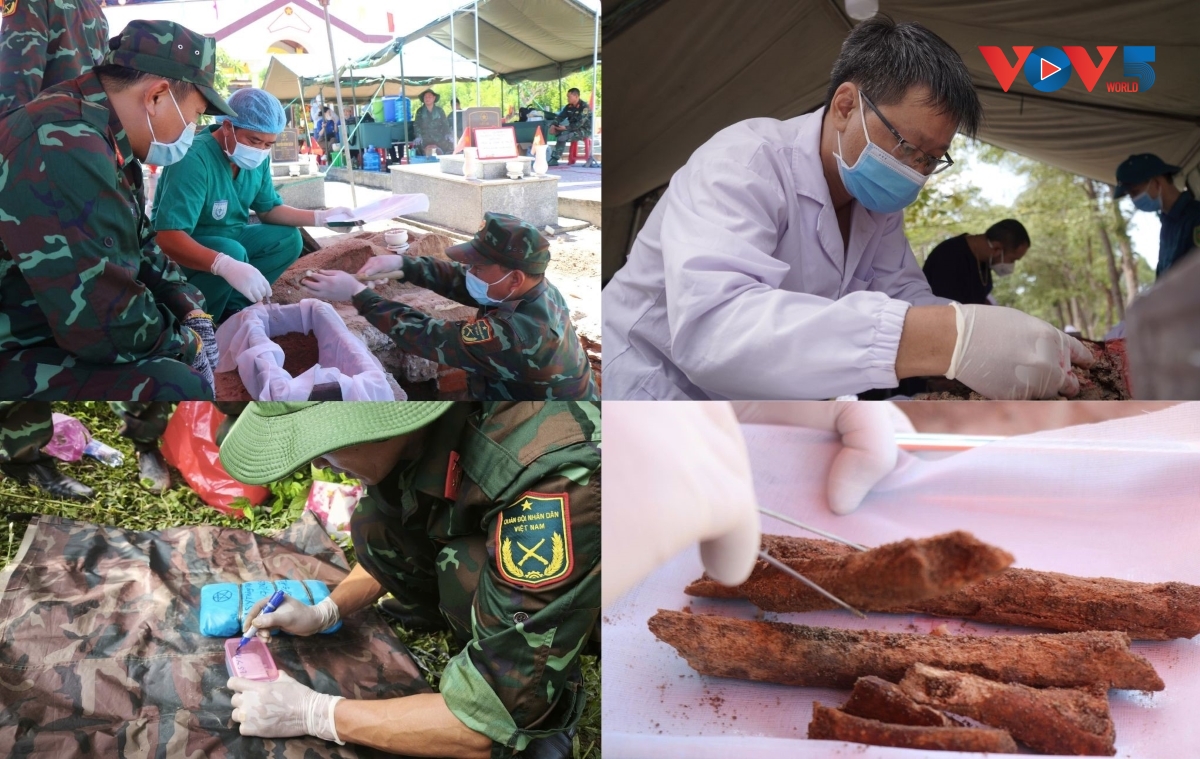
Each artifact found is carefully recorded and preserved to provide valuable information that will help verify the identities of fallen soldiers. [Photo: VOV]
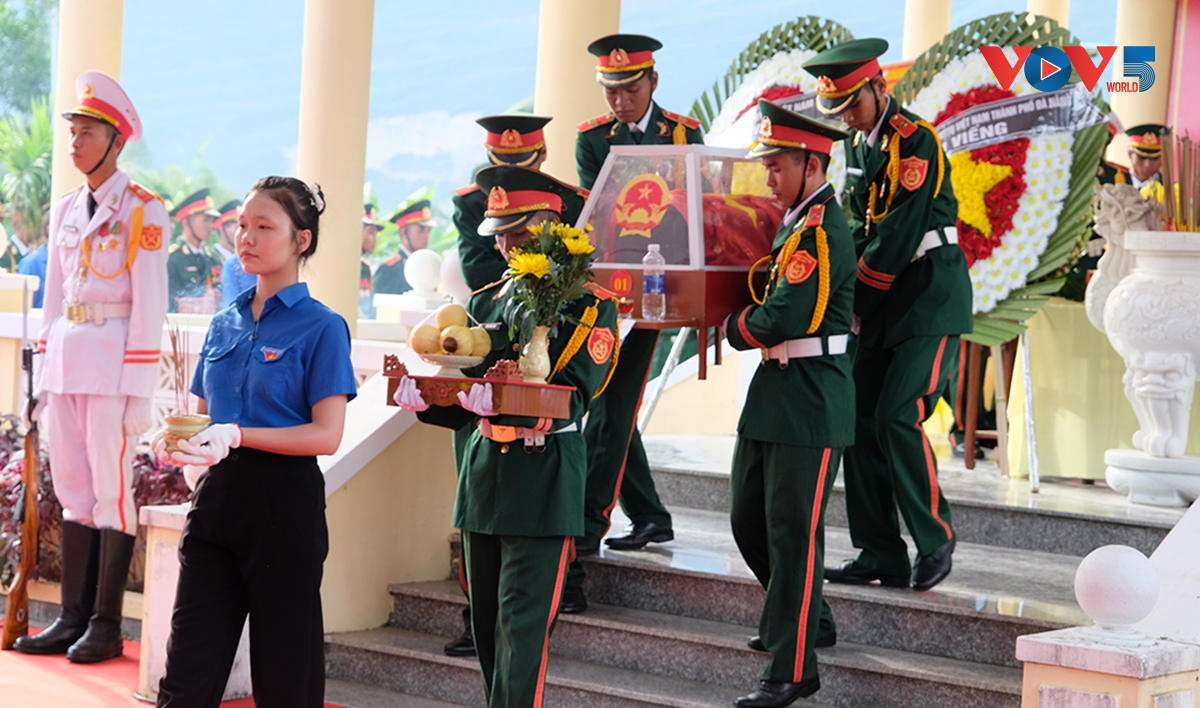
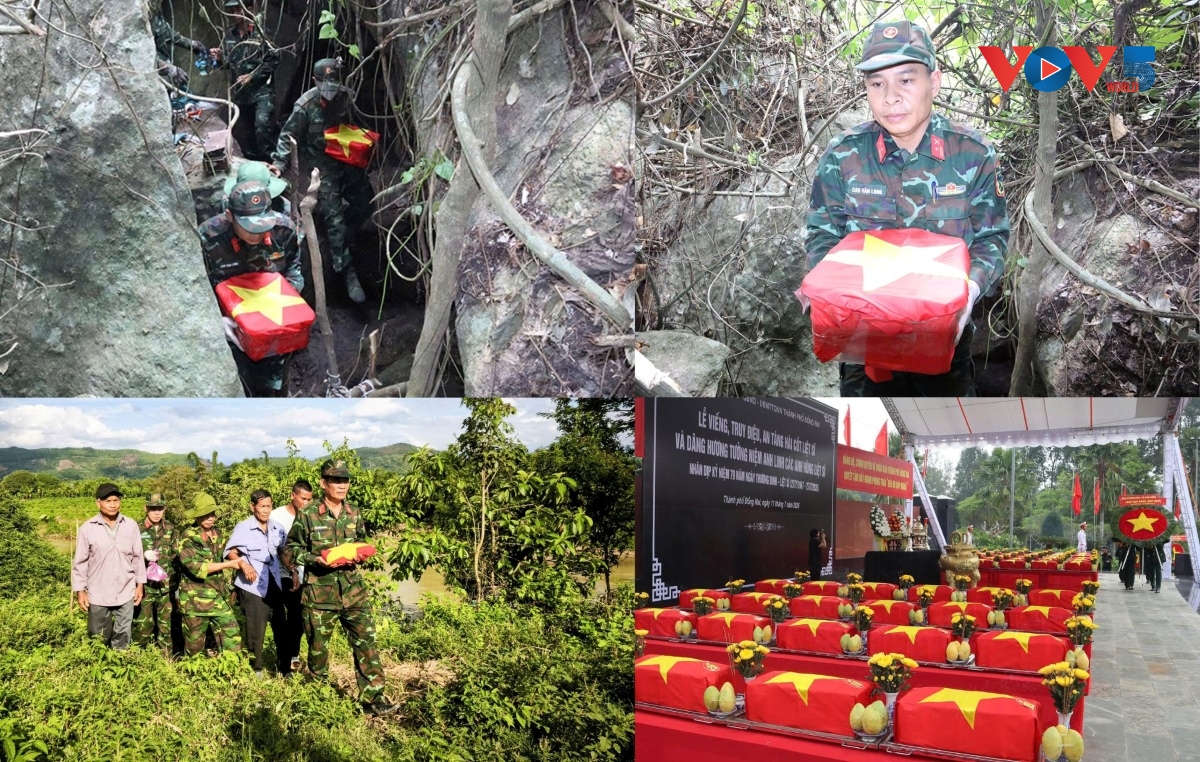
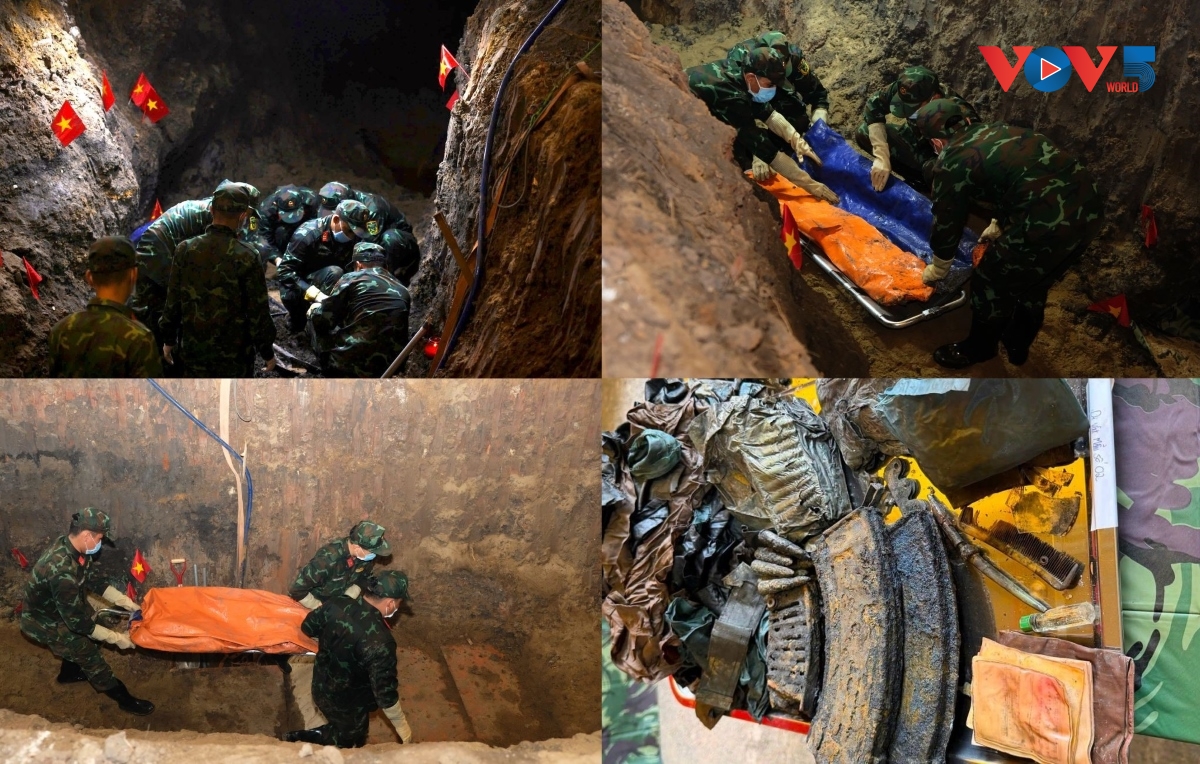
The remains of a fallen soldier are carefully cleaned, numbered, and draped in the red national flag before being taken to a martyrs’ cemetery for reburial. [Photo: VOV]
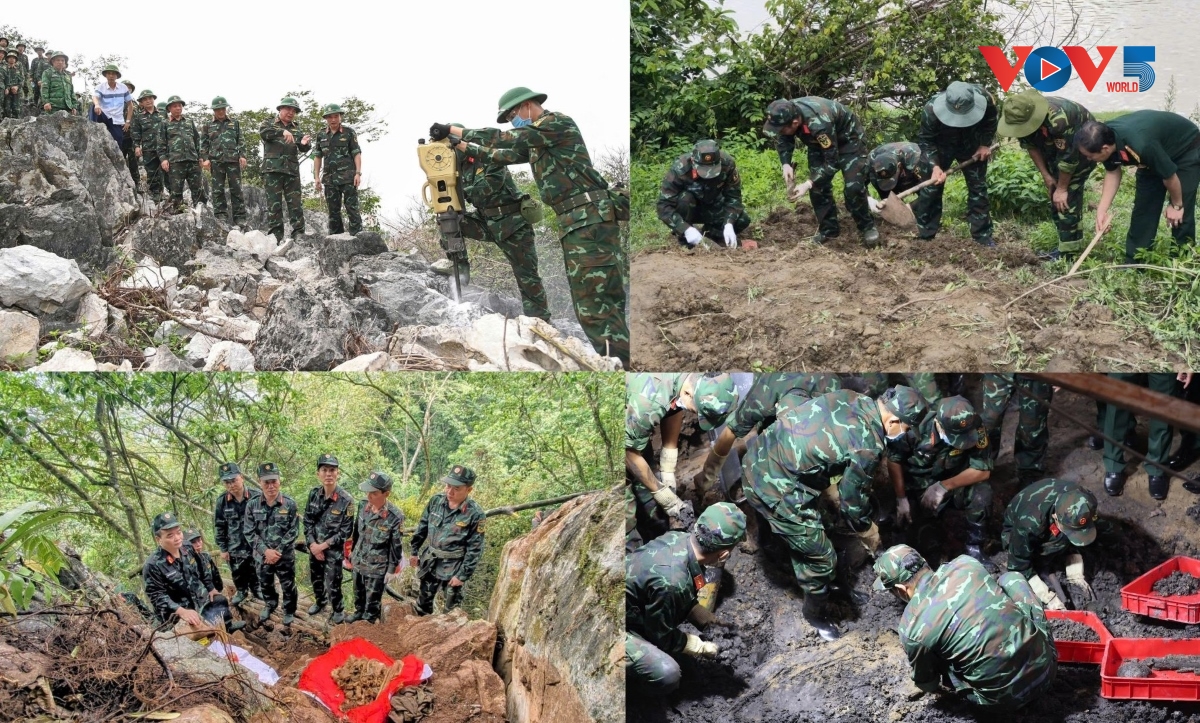
In early July, National Steering Committee 515, Military Region 7’s Steering Committee 515, and Ho Chi Minh City Steering Committee 515 launched a search for the remains of martyrs who died during the 1968 General Offensive and Uprising. At Le Thi Rieng Park, ground-penetrating radar was used to locate a mass grave, and a large trench was excavated. [Photo: Ty Huynh/VOV Ho Chi Minh City]
By mid-July 2026, 100 sets of martyrs’ remains and two sets of mixed remains had been recovered at Le Thi Rieng Park. [Photo: Ty Huynh/VOV Ho Chi Minh City]
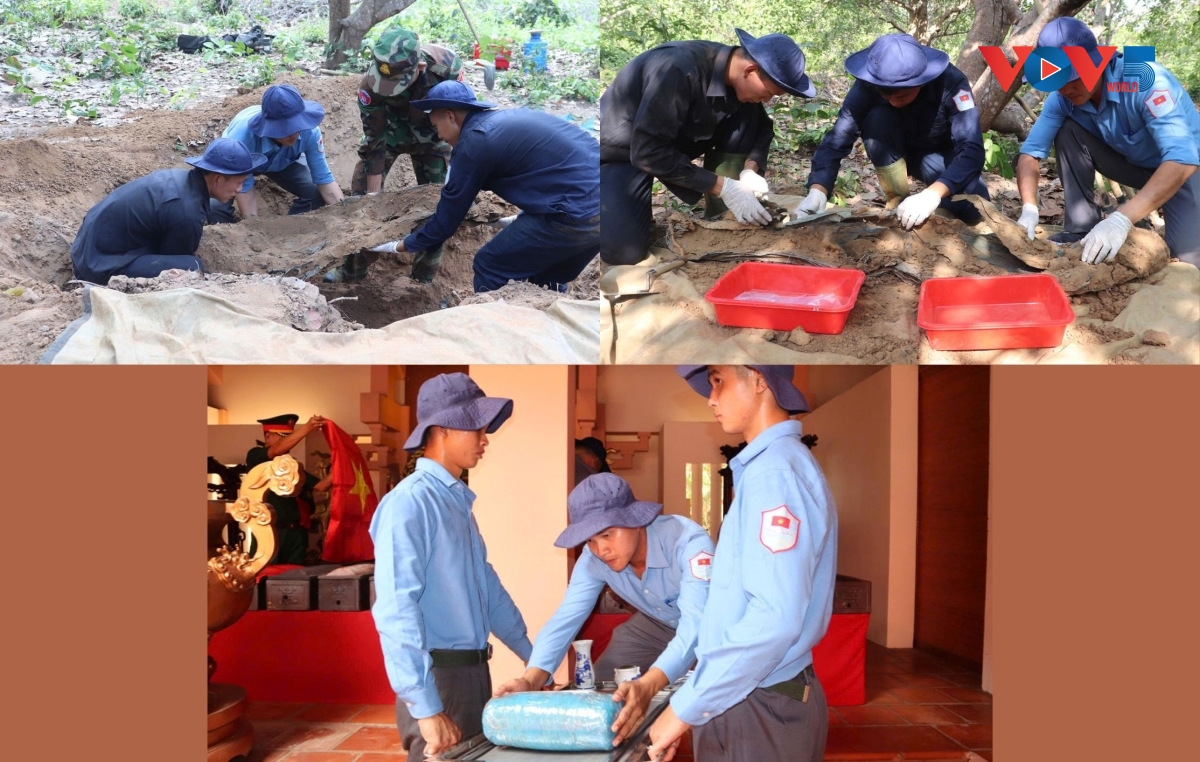
Across forests, mountains and former battlefields in Vietnam, Laos, and Cambodia, the 500-day campaign is working to bring fallen heroes home. [Photo: Thien Ly/VOV Ho Chi Minh City]
In 82 days, the 42 officers and soldiers of Team K72 searched more than 300,000 square meters, dug 8,000 test pits and 3,000 meters of trenches, and moved 26,000 cubic meters of soil and rock to recover the remains of 62 fallen soldiers who died in Cambodia. [Photo: Thien Ly/VOV Ho Chi Minh City]
Specialists collect remains for DNA testing—a breakthrough step in restoring the identities of fallen heroes. (Photo: VOV)
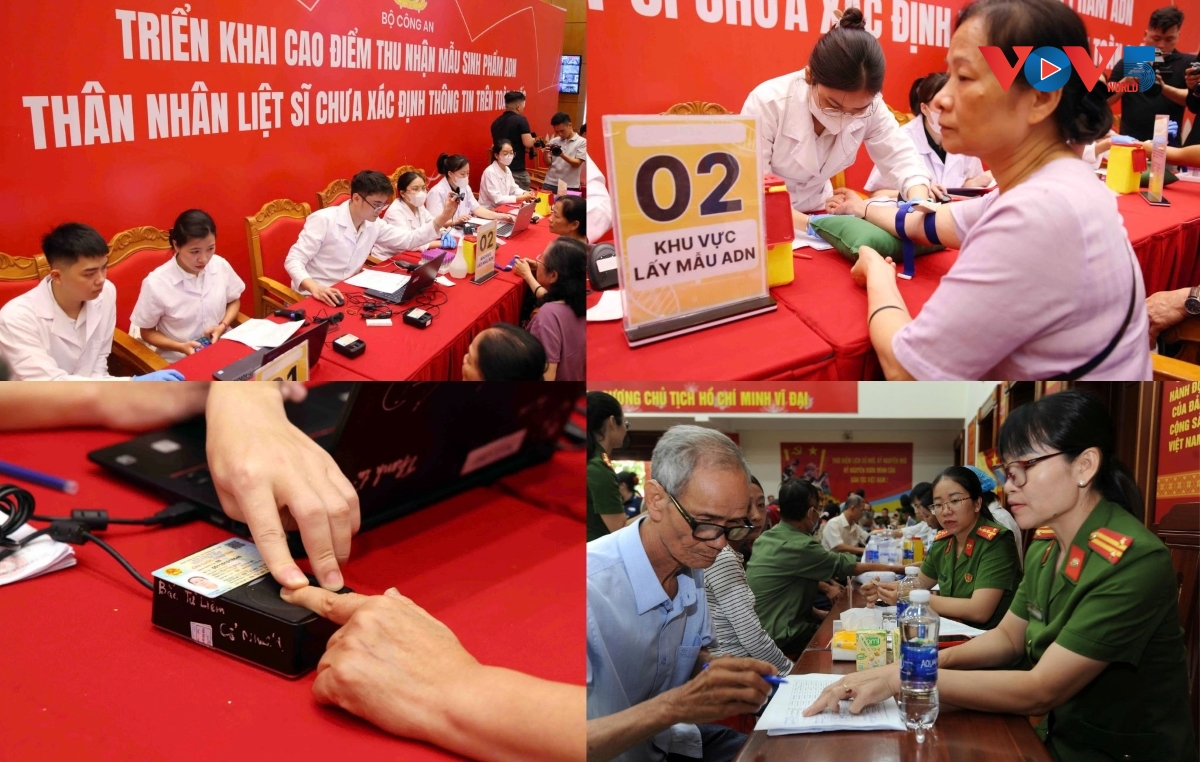
The collection of biological samples from relatives of fallen soldiers is being rolled out nationwide, contributing to the completion of the national DNA database. [Photo: VOV]
A representative of the Police Department for Administrative Management of Social Order (C06) said the latest version of the VNeID app, developed by the Ministry of Public Security, includes many new features and services. [Photo: C06]
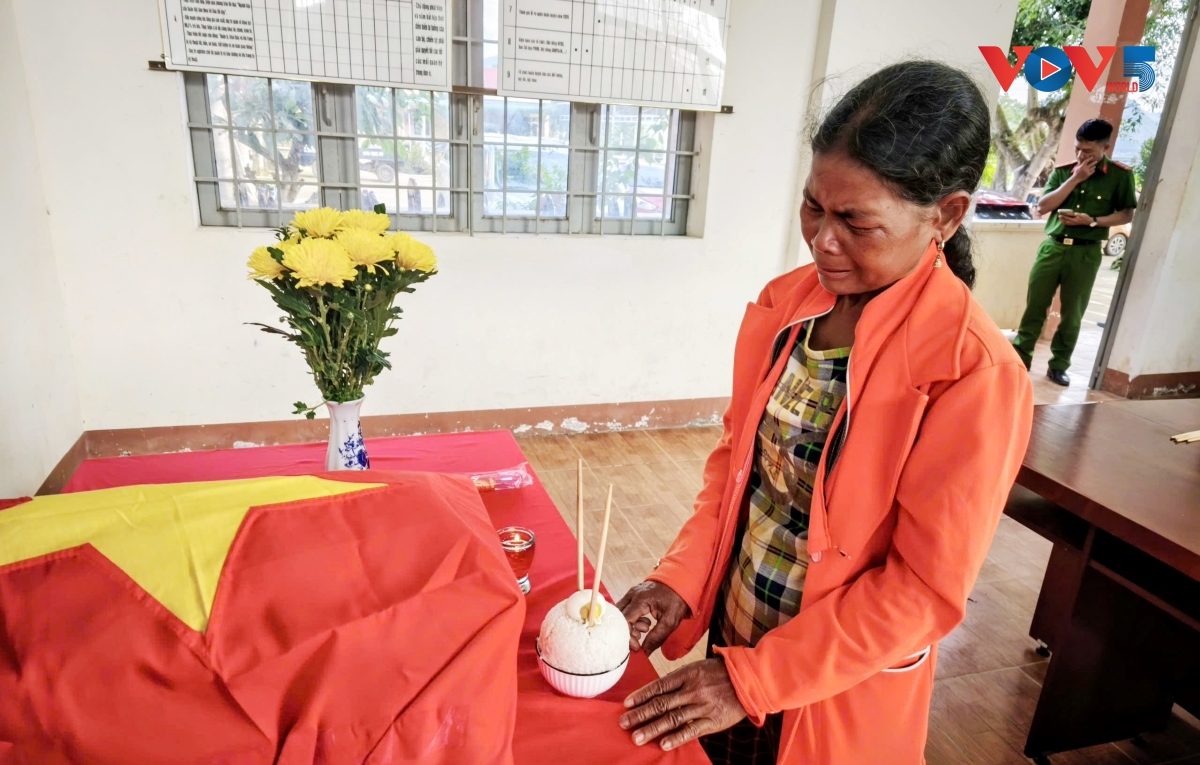
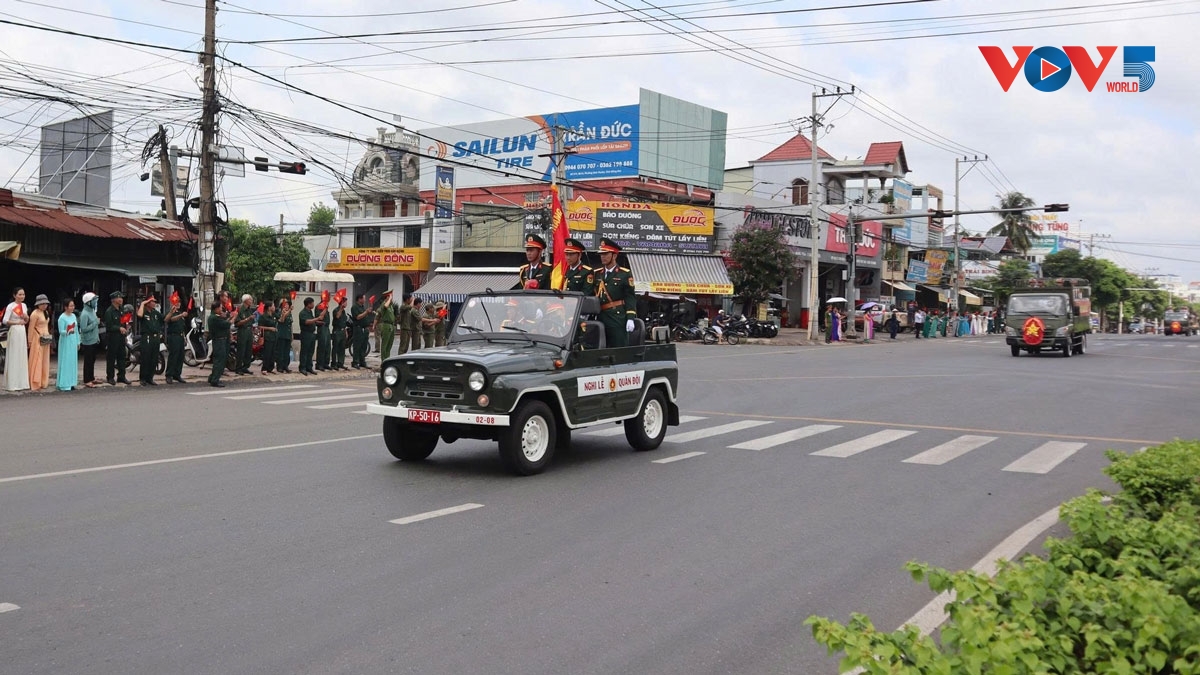
Each identified grave not only completes a historical record, but also brings closure to a family's search that has spanned generations. (Photo: Nam Trang/VOV Central Highlands]
Far more than a political task, the '500-Day Campaign' carries profound humanitarian significance—reflecting the deep sense of responsibility shared by the Party, the State, and society as a whole in honoring those who made the ultimate sacrifice for the nation's independence and freedom.
The 500-day campaign to locate, recover, and identify the remains of fallen soldiers reflects the responsibility of the Party and society to honor those who gave their lives for the nation’s independence and freedom.
Duration: March 15, 2026 – July 27, 2027; launched on April 2, 2026.
Goals: Recover 7,000 sets of martyrs’ remains, collect samples from 230,000 unidentified graves, conduct 18,000 DNA tests, build a DNA database of martyrs’ relatives, and clear unexploded bombs and mines to support searches.
Progress: More than four months into the campaign, 1,425 sets of remains have been recovered in Vietnam, Laos, and Cambodia. Samples have been collected from 66,013 graves and 93,464 relatives of martyrs.







![In a letter marking the 79th anniversary of War Invalids and Martyrs’ Day, General Secretary and President To Lam described the campaign as “a call from the heart” and “a peacetime mission to find those who made peace possible.” He said the campaign carries forward Vietnam’s enduring tradition of gratitude, embodied in the values of “When drinking water, remember its source” and “Repaying those who made sacrifices for the nation.” [Photo: The Anh/nhandan.vn]](/sites/default/files/styles/large/public/2026-07/500-3.jpg)
![A representative of the Police Department for Administrative Management of Social Order (C06) said the latest version of the VNeID app, developed by the Ministry of Public Security, includes many new features and services. [Photo: C06]](/sites/default/files/styles/large/public/2026-07/500-14.jpg)