







Today, modern village conventions build on this cultural heritage while incorporating new standards that promote a civilized way of life and support effective community governance.
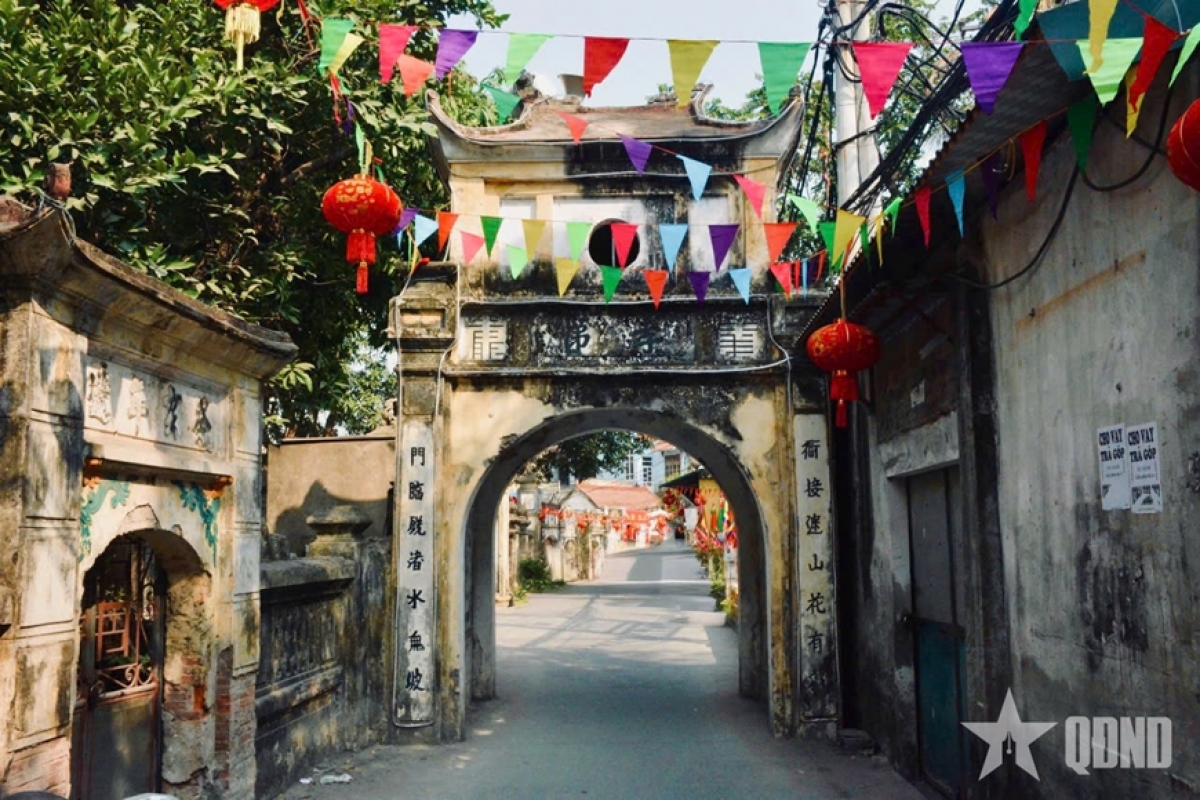
Cu Da is one of the ancient villages on the outskirts of Hanoi, known for its peaceful, open and well-kept surroundings. Its residents live in harmony, with neighbors stopping to greet and chat, and younger generations showing respect for their elders. These simple yet cherished values have been preserved and passed down through generations, reflected in the village’s traditional customs and long-standing convention.
“This village convention was passed down from our ancestors more than 100 years ago. It is an important part of our culture and heritage, and continues to play a significant role in our daily lives. Everyone observes it,” said village elder Nguyen Dang Tuan.
Like the residents of Cu Da, people in Tho Khoi Ward, Hanoi, take great pride in their village convention. According to Nguyen Van Dat, a respected member of the community, the Tho Khoi convention goes beyond setting out rules for community life. It also preserves folk knowledge and ethical values shaped and passed down through generations, Dat said.
“The convention was signed and fingerprinted by 58 village dignitaries and elders. It reflects the collective wisdom of the community and responds to its needs, which is why it has stood the test of time.”
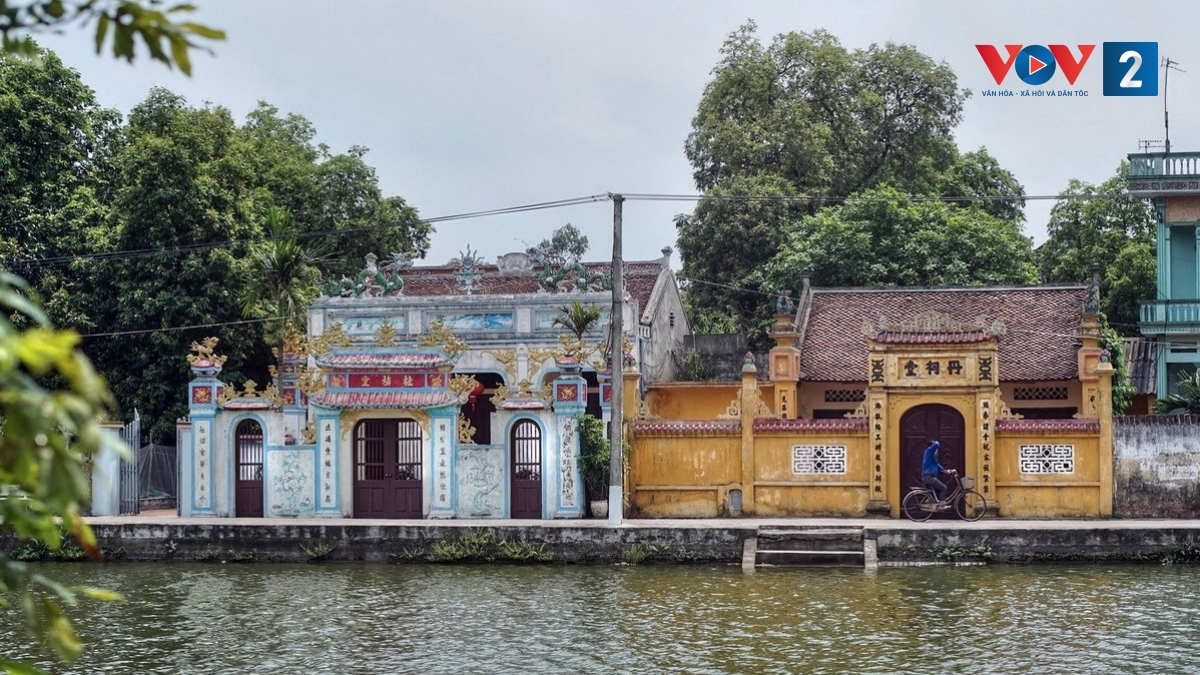
As life evolves, village conventions are also updated with new provisions. In Táo Duong village in Hanoi, the convention has played an important role in promoting a cultured way of life at the grassroots level.
“Our current convention states that building a new-style rural community must go hand in hand with fostering a healthy cultural environment. We raise awareness among residents of their responsibilities, including protecting the environment and keeping our village roads and alleys bright, green, clean and beautiful. Every weekend, each family sends at least one person to take part in cleaning the village roads and public areas,” said Tran Minh Thuat, a local resident.
Today, the restructuring of administrative units is also affecting village life. According to Professor and Doctor Bui Quang Thanh of the Vietnam Institute of Culture, Arts, Sports and Tourism, the merging of villages into larger administrative units can create opportunities for greater interaction and cultural exchange among communities.
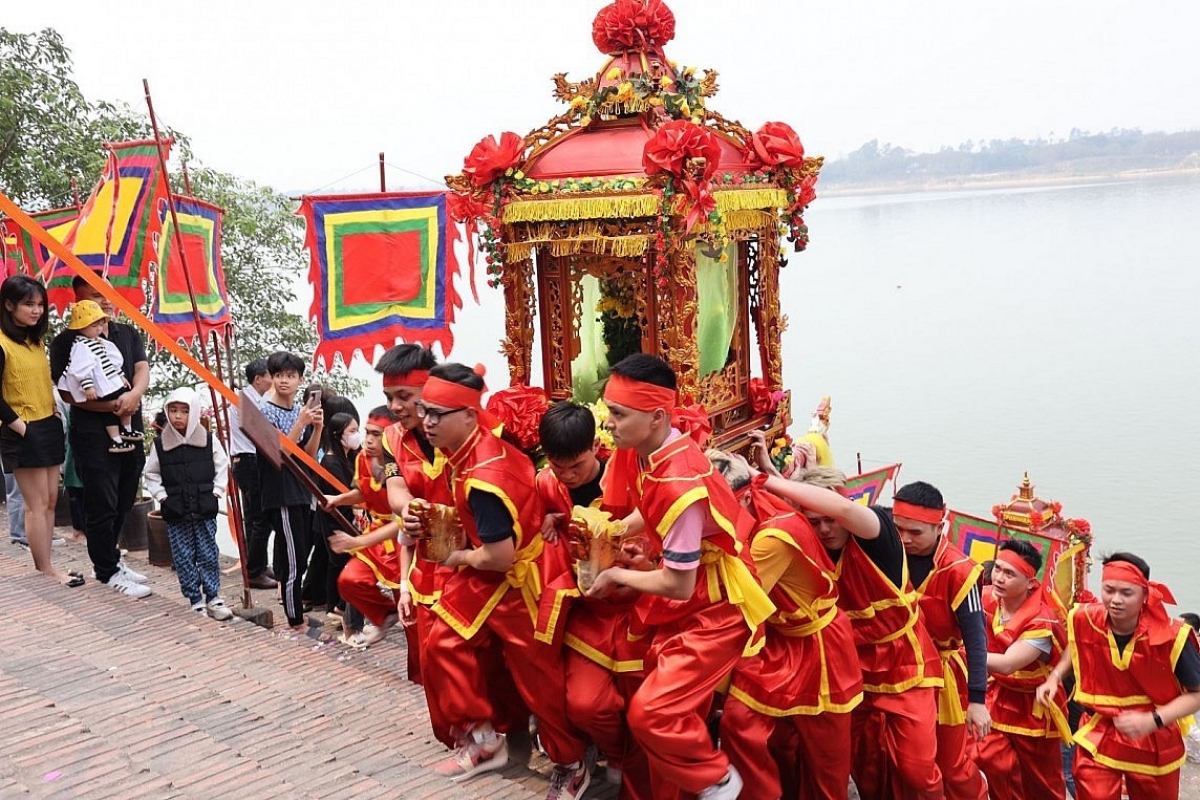
“New village conventions and cultural regulations for newly formed administrative units must comply with the law and the Constitution while respecting the unique identity of each village and promoting cultural diversity. By preserving the customs and traditions of different villages, we can uphold three core values: community cohesion, self-governance and a strong sense of responsibility,” said Thanh.
Despite new provisions, the core spirit of village conventions remains unchanged. In many localities, these conventions have helped reshape the way people think and behave, gradually replacing outdated customs with more civilized practices. When residents understand, and follow these shared values, they can become lasting cultural traditions that strengthen the identity of each community.


