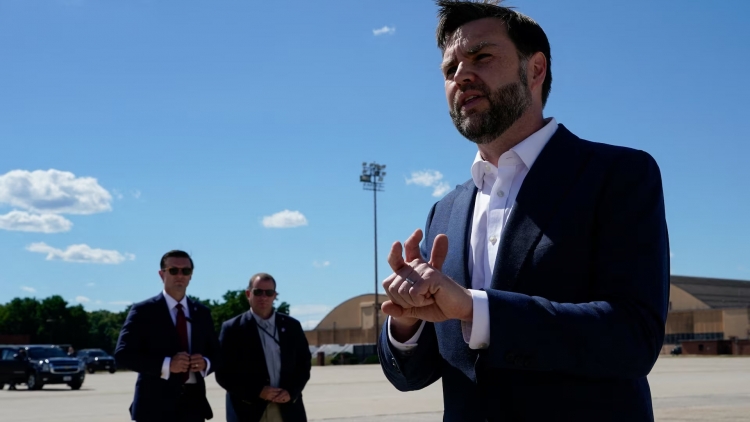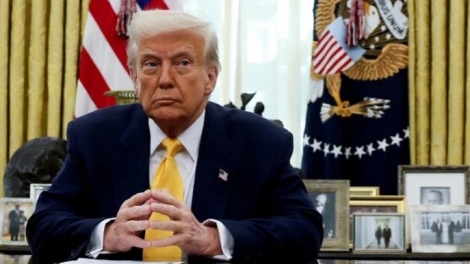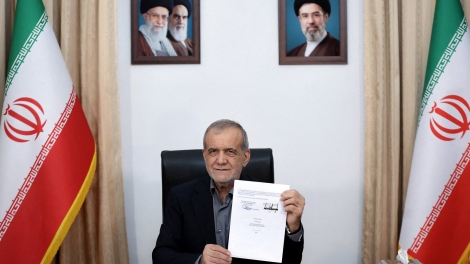





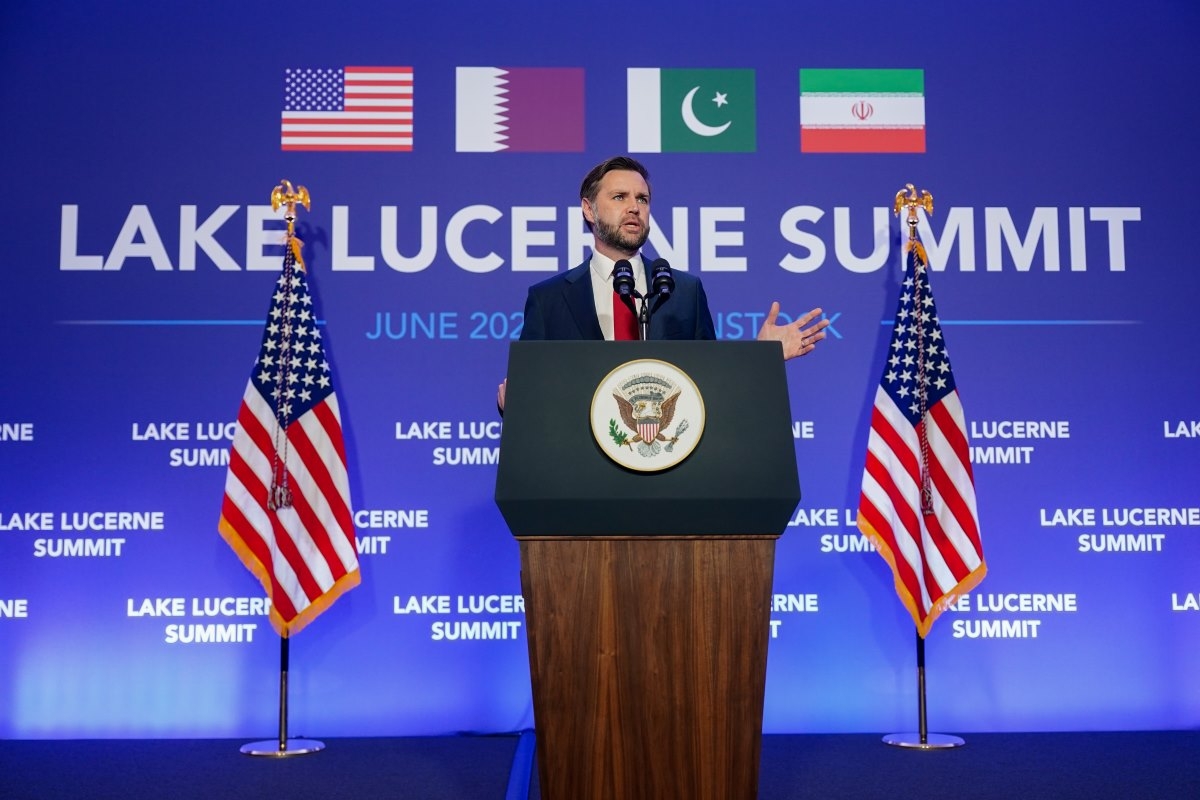
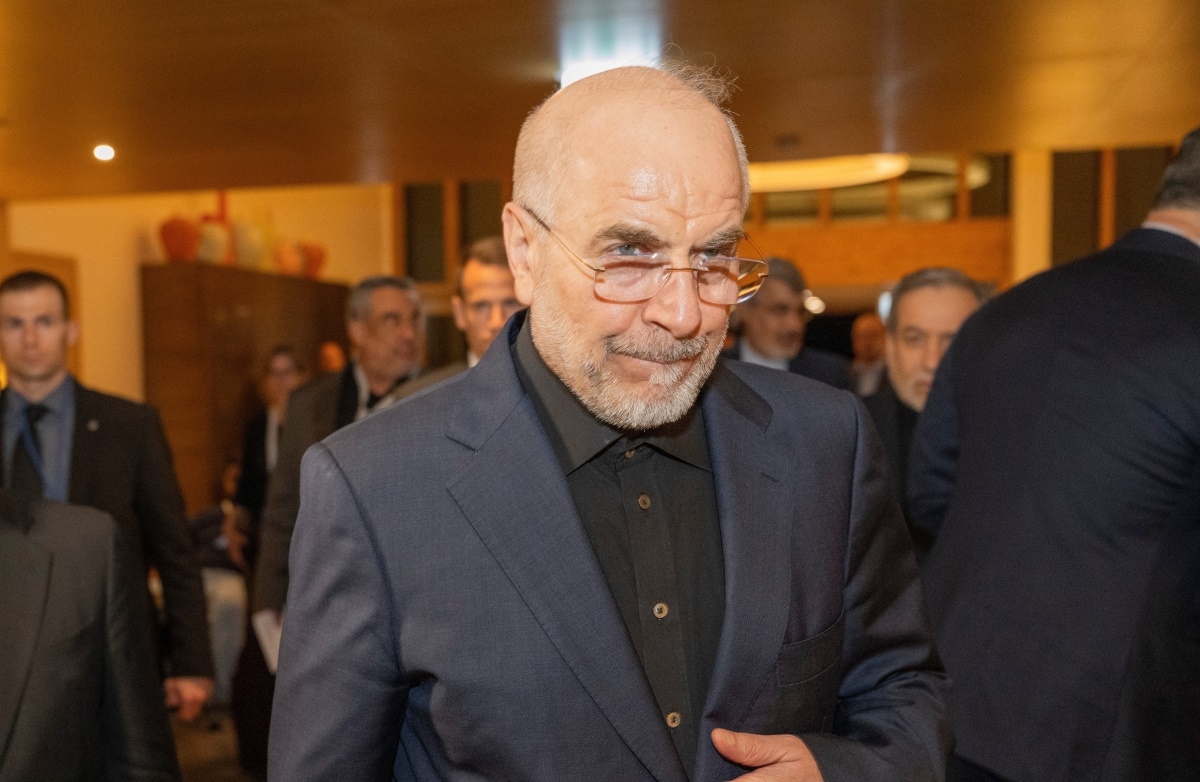
The US delegation, led by Vice President JD Vance, and the Iranian delegation, headed by Parliament Speaker Mohammad Bagher Ghalibaf, held their first direct negotiation in Switzerland, along with mediators Qatar and Pakistan.
Progress
The US-Iran talks were initially scheduled to start on June 19 but were abruptly called off after Iran announced the closure of the Strait of Hormuz in response to Israel’s continuing military operations in Lebanon.
Even when the US and Iranian delegations arrived at the Burgenstock resort in Switzerland, the risk of a breakdown remained. On June 20, President Trump threatened to strike Iran again if the two sides failed to reach an agreement, prompting strong objections from the Iranian delegation. Nevertheless, the first day of negotiations on June 21 was described as positive and constructive.
The US and Iran agreed to allow IAEA inspectors to return to Iran to monitor its nuclear program. Vice President Vance said the return would begin this week. Iran's frozen assets will be released, and Washington can ensure that any unfrozen Iranian funds will not finance terrorism.
Vance said: “I think it's important for all of us to appreciate how much was done. But honestly, there is still a lot to do as we continue to make progress on the nuclear talks. On the economic talks, as we continue to de-mine the Straits and ensure that that flow of traffic continues to pick back up. A lot of progress, but still some work to do. We're very committed to doing exactly that."
Iranian officials said they have agreed to establish a direct communication line to "avoid incidents and miscommunication" in the Strait of Hormuz. "We agreed to establish coordination mechanisms, including a hotline and communication center to handle any ambiguity or dispute. During this 30-day period, the parties will be able to maintain close coordination so that vessels can transit through the strait safely and efficiently. This will improve traffic flow and cargo volumes through the strait, boost the regional and global economy, and allow us to move forward," Parliament Speaker Ghalibaf said.
Iran said they had secured a prerequisite for negotiating a final agreement. Three specialized working groups for nuclear issues, sanctions, and monitoring will be formally activated only after the US fully implements a ceasefire, lifts its maritime blockade, releases Iran’s frozen assets, and exempts Iranian oil and petrochemical exports from sanctions.
On Monday, the US Treasury Department issued a 60-day sanctions waiver for Iran’s oil and petrochemical products, allowing payments to be processed through the Central Bank. In addition, Iran signed a Memorandum of Understanding with Qatar on an asset-release mechanism for unfreezing Tehran’s overseas assets.
Positive impacts for Lebanon
Another notable outcome of the talks was the establishment of a conflict-management mechanism in Lebanon which will pressure parties to maintain the ceasefire. Observers say this mechanism is crucial as fighting between Israel and Hezbollah could derail or stall any US-Iran talks.
Under the new agreement in Switzerland, Iran may play a greater role in Lebanon’s security, while Israel’s role may be more limited. This presents a new challenge for Israeli Prime Minister Benjamin Netanyahu.
But, according to Jonathan Rynhold, a senior researcher at Israel’s Bar-Ilan University, Tel Aviv is unlikely to take drastic action at this time because the US, Israel’s strongest ally, doesn’t want its talks with Iran to collapse. Both President Trump and Vice President Vance have reportedly conveyed this message to Israel.
Rynhold said: “Israel will have to take a more limited approach than it has done recently. It will probably have to withdraw from Southern Lebanon. Certainly, it will have to do so after 60 days if there is a full agreement between the United States and Iran. But no doubt, Israel will still continue to work on limiting arms getting to Hezbollah and limiting financial flows to Hezbollah."
Iran’s Foreign Ministry says its delegation, led by Deputy Foreign Minister for Legal and International Affairs Kazem Gharibabadi, will continue technical discussions with US and Qatari negotiators in Switzerland.