



Amid the joyful atmosphere of traditional dances, musical instruments, and colorful distinctive costumes, Cham people come together to celebrate their long-standing cultural identity through generations.
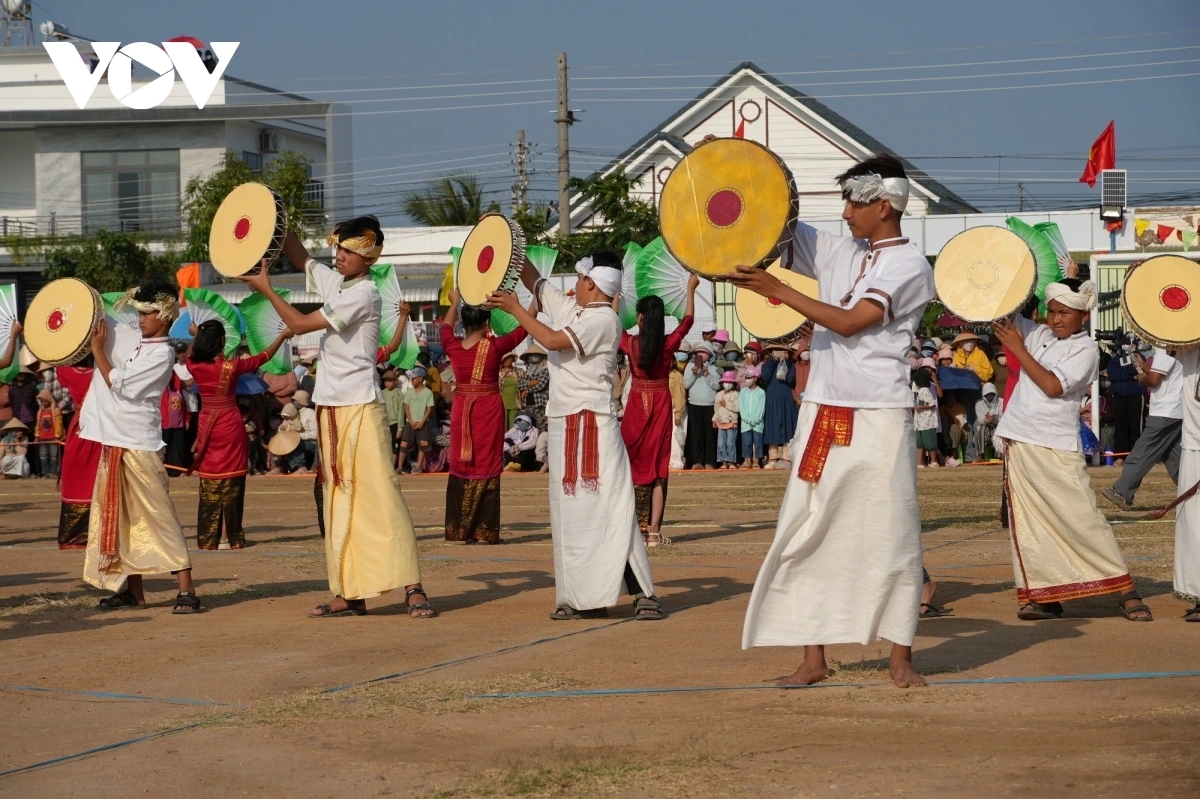
The Rija Nagar festival begins in the afternoon of April 15, the last day of the year in the Cham calendar. Hundreds of young Cham men and women in traditional attire gather at the stadium of Nhu Ngoc hamlet, Khanh Hoa province, for group dances accompanied by the lively rhythms of Paranung drums and Saranai trumpets. The performances are carefully staged, recreating the daily life of the Cham people, from carrying rice, ploughing fields, and weaving cloth to folk dances rich in cultural identity.
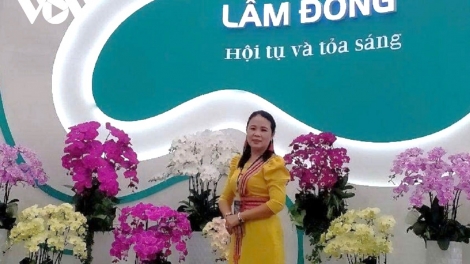
Dang Thi Hoi, a local resident, said: “This year’s festival is held in a larger scale, very lively. The performances are outstanding, and the performers are enthusiastic.”
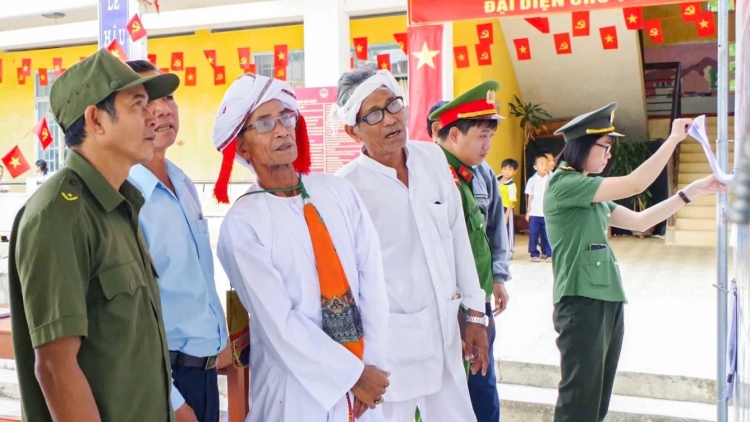
Rija Nagar, an important community festival of the Cham people, often presided over by religious dignitaries, features rituals of praying for favorable weather, good harvests, and peace for the community. Each Cham village holds the main ceremony over two days, although the timing may vary from village to village. Thus, the festive atmosphere often lasts for several days across villages.
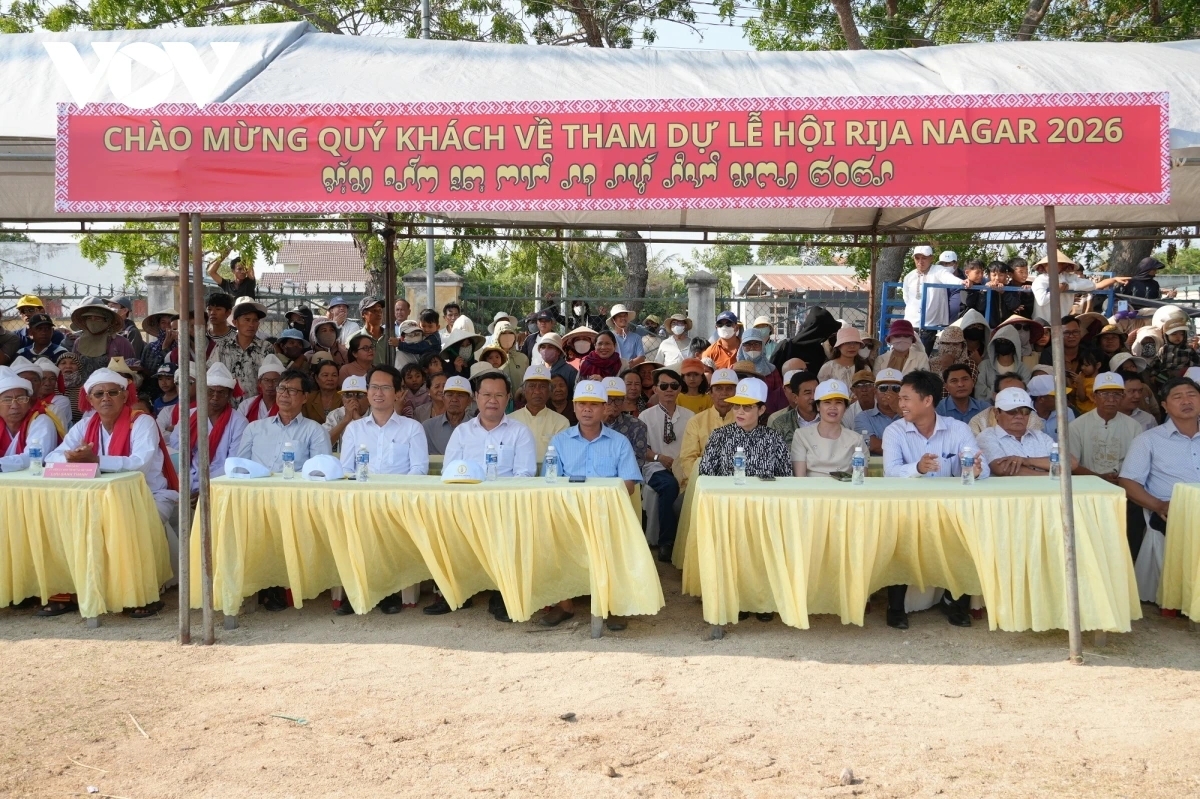
Tran Thi Dung, a visitor from Hanoi, said: “I have joined many festivals from north to south. This Cham festival is very special and distinctive. It reflects the spirit of unity and beautifully honors indigenous culture. I’m very impressed with the festival.”
The Rija Nagar festival also showcases various forms of Cham folk music, dance and traditional rituals. Deputy Priest Luu Sanh Thanh of Phuoc Huu commune, said: “The Party and State have paid great attention to cultural policies for ethnic communities. We hope that the Rija Nagar festival will soon be recognized as a national intangible cultural heritage.”
In the south-central regions, festivals like the Rija Nagar Festival continue to be carefully preserved by local communities, serving as living cultural spaces where traditions are not only maintained but passed on. As the rhythms of drums and trumpets fade, what remains is a lasting sense of identity and unity, ensuring that the cultural legacy of the Cham people endures across generations.