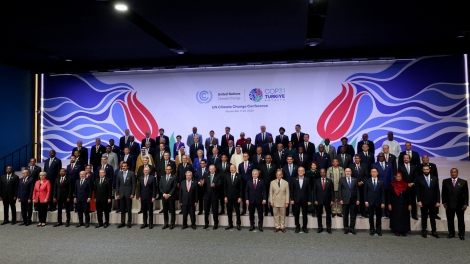




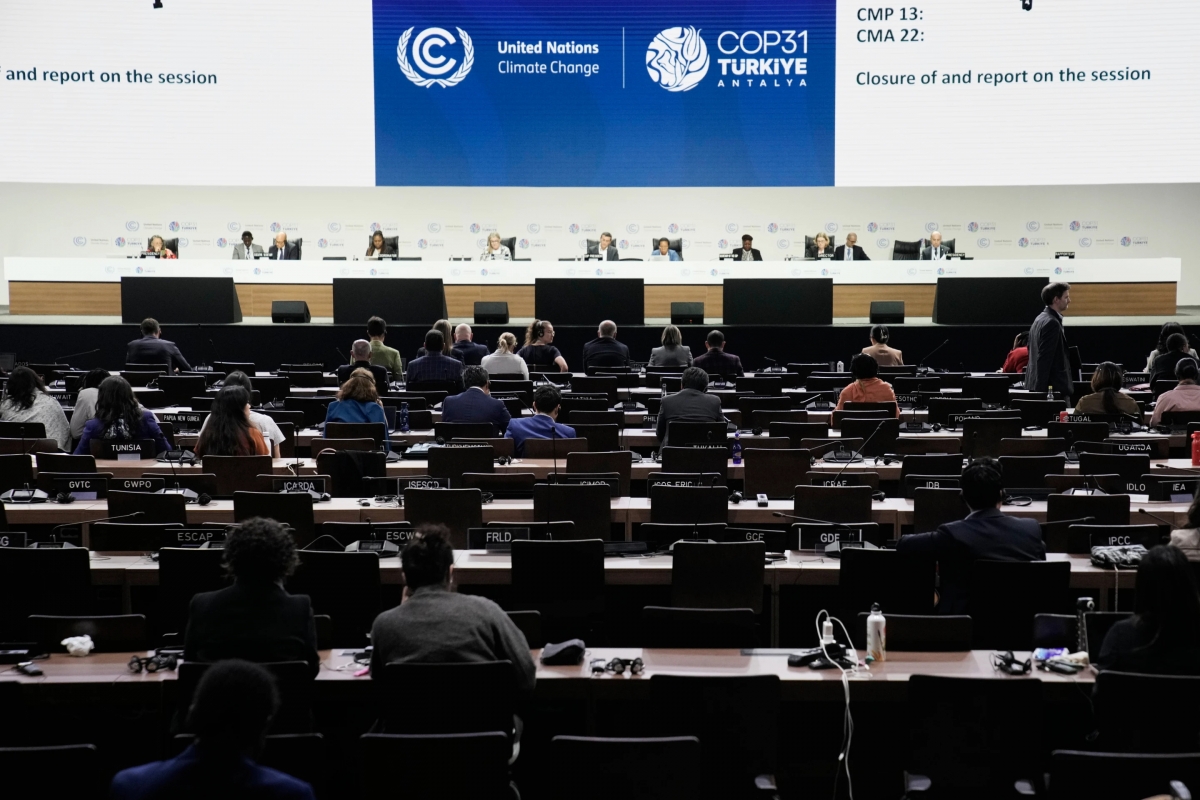
Originally scheduled to run from November 9 to 20 in Antalya, Türkiye, COP31 was extended until November 22, but still ended in deadlocked negotiations.
A major setback
Efforts to reach consensus on the final document failed. Several delegations, led by the European Union and Pacific island nations firmly opposed signing a document that did not explicitly mention phasing out fossil fuels.
Oil-producing countries, particularly Saudi Arabia, argued that including a commitment to phase out fossil fuels would be premature, given the uneven pace of the global transition away from coal, oil, and gas.
The failure of COP31 is a major blow to international efforts to combat climate change at a time when geopolitical and economic instability is pushing climate issues down the list of global priorities.
Simon Stiell, Executive Secretary of the UN Framework Convention on Climate Change, said: "COP31 has been unable to agree on issues related to both presidency-led decisions. The world cannot afford a repeat. Climate impacts are worsening. Fossil fuel costs are driving inflation through every economy, and 1.5 overshoot is approaching. Our process must follow the science and meet the challenge."
The sharp divide over whether to include a commitment to phase out fossil fuels also prevented countries from making meaningful progress on climate finance.
COP31 produced no significant new financial commitments, despite reports released ahead of the conference indicating that more than 300 billion USD in annual funding is needed to help poorer, more climate-vulnerable countries cope with and mitigate the impacts of climate change.
Mariana Paoli, Head of Global Policy and Advocacy at Oxfam, said: "I mean, this has been one of the longest and the worst COPs because developed countries have failed to deliver on their commitments. The finance should have been the central point, and instead, they have focused on excusing away from their responsibilities and focusing on fossil fuels when actually it is developing countries who are suffering from the failed outcome here. It's not the COP that should be blamed, but the lack of leadership from developing countries, from providing the finance. There's so much needed across all tracks of the negotiations."
Some positive developments
Despite its overall failure, COP31 did produce several notable outcomes, including bringing international attention to electrification.
Last Wednesday, more than 30 countries joined a voluntary commitment initiated by Türkiye, the COP31 host, to accelerate global electrification. Supporters argue that electric technologies offer cleaner, safer, more efficient alternatives to fossil-fuel-based systems. This commitment could deliver substantial emissions reductions.
According to Climate TRACE, a non-profit organization that monitors greenhouse gas emissions, the initiative could cut more than 4 billion tons of carbon emissions annually, 7% of current emissions, even if governments do not prioritize cleaner electricity sources. If new power generation capacity relies on clean energy, the potential emissions reductions could nearly double.
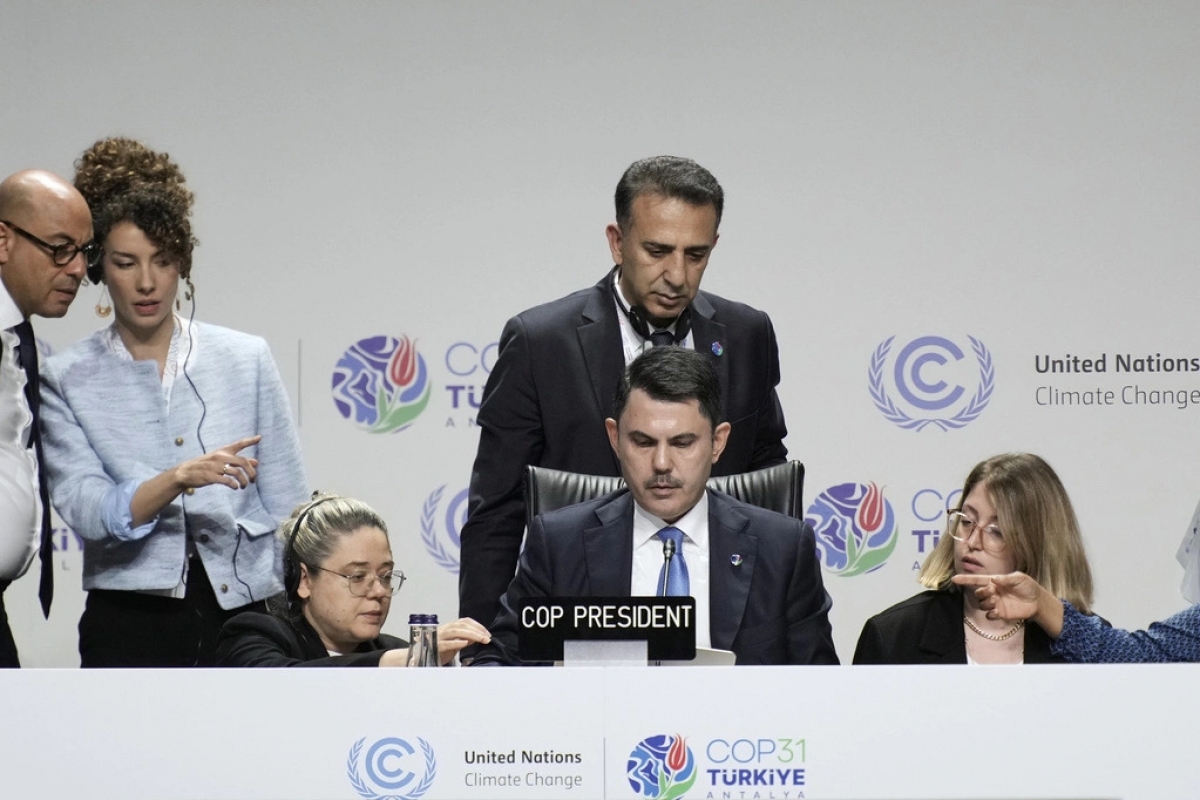
Murat Kurum, President of COP31, said: "One of our most important achievements in the energy transition is the global '35 by 35' commitment. Some 80 countries, representing more than half of global energy consumption, support our shared goal of increasing electricity's share of total energy consumption worldwide to 35% by 2035."
Another positive development was the formal launch at COP31 of the second Global Stocktake, a process for assessing collective progress on climate action.
David Waskow, Director of the International Climate Initiative at the World Resources Institute, said: "It's gonna be an open process in a lot of ways to provide inputs, to say, "Here's what's happening globally on climate change. Here's where we need to get to, and here's how we need to take action in order to get there." And then over the next two years, we will have lots of inputs at a technical level, and then we will have a political process that will conclude at COP33 in 2028."
COP32 is scheduled to take place in November 2027 in Addis Ababa, Ethiopia. Observers believe that hosting the conference in an African country could bring greater focus to climate finance, as Africa is among the regions most in need of financial assistance to address climate change.