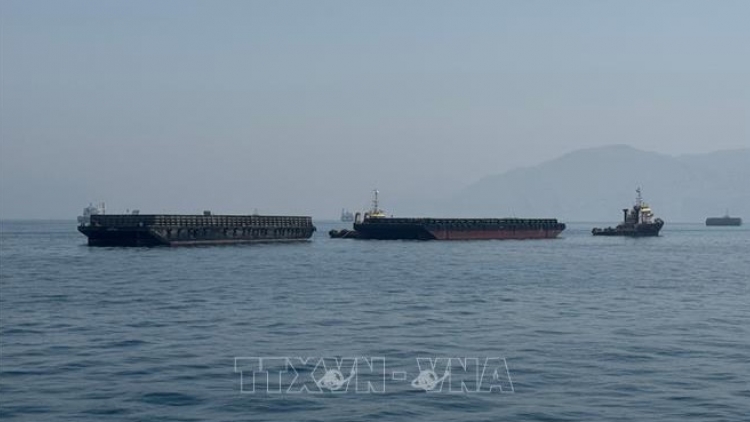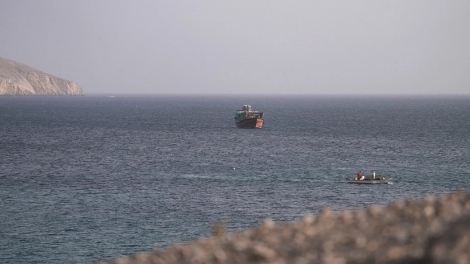




The crisis in the Strait of Hormuz has become one of the biggest geopolitical shocks to the global energy system since the 1970s. According to the International Energy Agency, no matter how the crisis ends, the global energy landscape will have been fundamentally reshaped.
Crisis at energy chokepoint
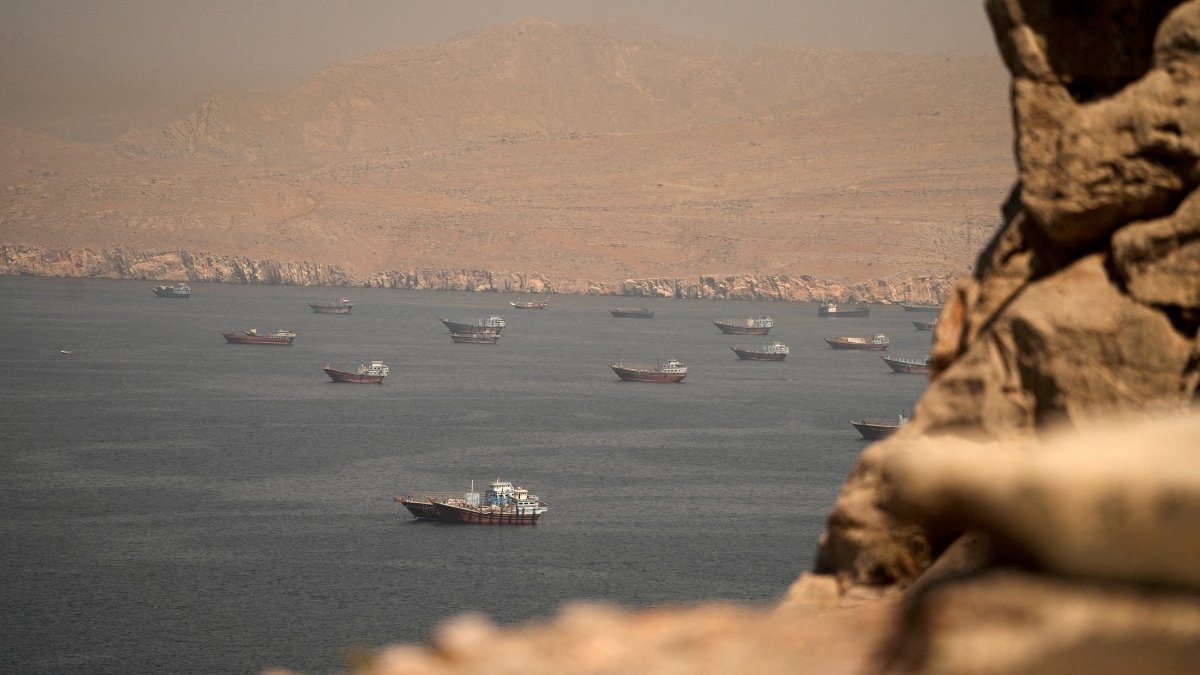
The Strait of Hormuz carries around 20% of the world's crude oil and liquefied natural gas shipments. The disruption has pushed global oil prices higher, with Brent crude reaching 85 USD per barrel this week. Analysts warn that if retaliatory attacks between the US and Iran continue, oil prices could soon surpass 100 USD a barrel, and rise even further if a full-scale conflict erupts again.
The Hormuz deadlock is not just a dispute between the United States and Iran. Efforts to establish a long-term mechanism to manage the Strait of Hormuz without Iran's participation, including initiatives involving Oman, the US, and other countries, have been made and have failed.
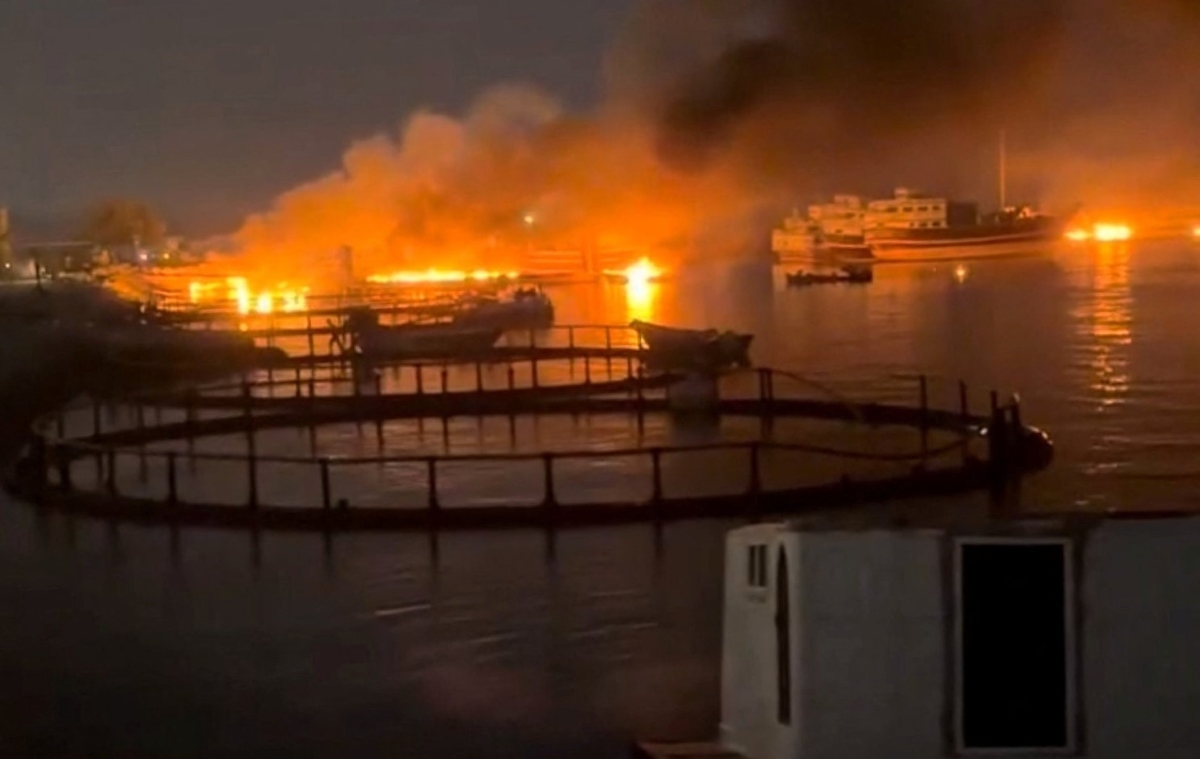
Aaron David Miller, Senior Fellow at the Carnegie Endowment for International Peace, said, “The Omanis apparently believed that they had come to some resolution where the so-called southern loop, which, basically hugs to the coast of Oman, would represent free and unfettered passage. But the Iranian answer to that was what you saw with the strikes against commercial shipping. Again, I think if the administration believes the Iranians will easily, quickly, or willingly give up their new found leverage, I think it's a very bad miscalculation.”
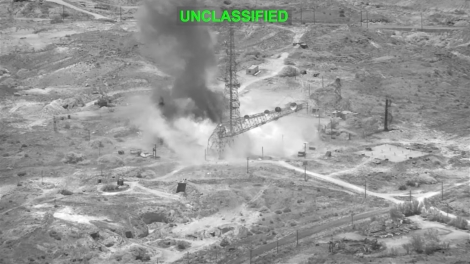
Concerns have intensified further as another strategic waterway, the Bab el-Mandeb Strait in the Red Sea, shows signs of being drawn into the conflict. In recent days, Yemen's Houthi forces, an ally of Iran, have repeatedly warned that they will close the Bab el-Mandeb Strait if the US intensifies attacks on Iran's energy and civilian infrastructure. On Wednesday, US forces struck a railway station and bridges in southern Iran.
Petras Katinas, a Research Fellow at the Royal United Services Institute in the UK, said, “The Red Sea route has become substantially more important because it is no longer simply a normal Europe-Asia transit corridor, which used to be for a long time. It's also one of the main alternatives of the Strait of Hormuz. So for example, oil froze through Bab-el-Mandeb reportedly rose to around four 5.4 million barrels per day in the first quarter of 2026. As producers and traders sought alternative routes during the Hormuz disruption. So it already serves as a back-door channel.”
Redrawing the global energy map
The Middle East conflict and disrupted shipping in the Strait of Hormuz have forced countries to rethink their long-term energy strategy.
One of the most significant changes has been a shift in mindset from "cost optimization" to "building trust." Previously, energy contracts were largely awarded to the supplier offering the lowest price and the largest supply. The Hormuz crisis has overturned that approach. Today, trust has become the priority, with energy-importing countries willing to pay higher prices to secure supplies from geopolitically stable partners with safe and reliable transport routes.
Another major shift is Gulf countries building bypass infrastructure to reduce dependence on the Strait of Hormuz. The United Arab Emirates is upgrading its oil pipeline that bypasses the Strait and transports crude directly to Fujairah Port outside the Persian Gulf. Saudi Arabia is maximizing the capacity of its East-West pipeline to the Red Sea.
Naveen Das, senior crude analyst at Kpler, a global provider of real-time commodity, energy, shipping, and market intelligence, said, “There're few critical pipelines. The first one is the Saudi East-West pipeline, which moves essentially oil from the Persian Gulf into the Red Sea, which has an incremental capacity of 5 million barrels still to be filled. Another is in the UAE, which has about 2 million barrels. So not everything can be displaced. We're looking at about 45%, on a theoretical basis, that can be displaced. Additionally, there is a pipeline from basically the Kurdish region in Iraq, which comes out into Turkey and really brings oil into the Mediterranean.”
The global energy supply and demand landscape is becoming increasingly polarized. Asian countries, particularly Japan and South Korea, which are among the hardest hit by the Hormuz crisis, are advancing regional initiatives, including the Asia Zero Emission Community (AZEC). Originally focused on the green transition, AZEC is now building mechanisms for sharing emergency energy supplies among member countries. In South Asia, India has weathered the crisis by increasing energy imports from 40 oil-producing countries.
Overall, energy-importing nations are seeking greater access to supply sources that don’t use the Strait of Hormuz. Oil producers in the US, the North Sea, Latin America, and West Africa, including Angola and Nigeria, are seeing an unprecedented flow of investment and long-term supply contracts as buyers move to offset oil supplies stranded in the Persian Gulf.