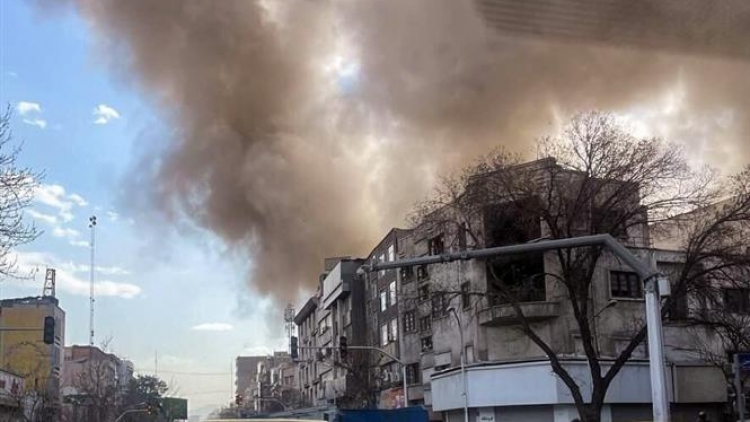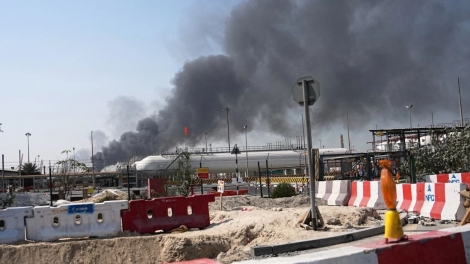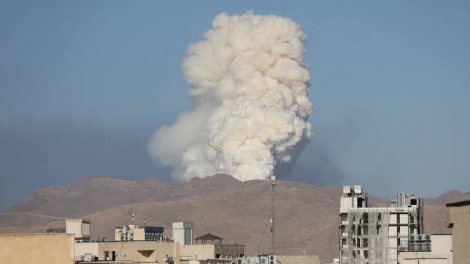




Last Friday, the US Central Command (CENTCOM) announced strikes against Iranian targets in response to an attack on a commercial vessel transiting the Strait of Hormuz the previous day. US operations continued on Saturday, prompting Iran to retaliate with missile and drone attacks targeting US military bases in Bahrain and Kuwait.
Tit-for-tat
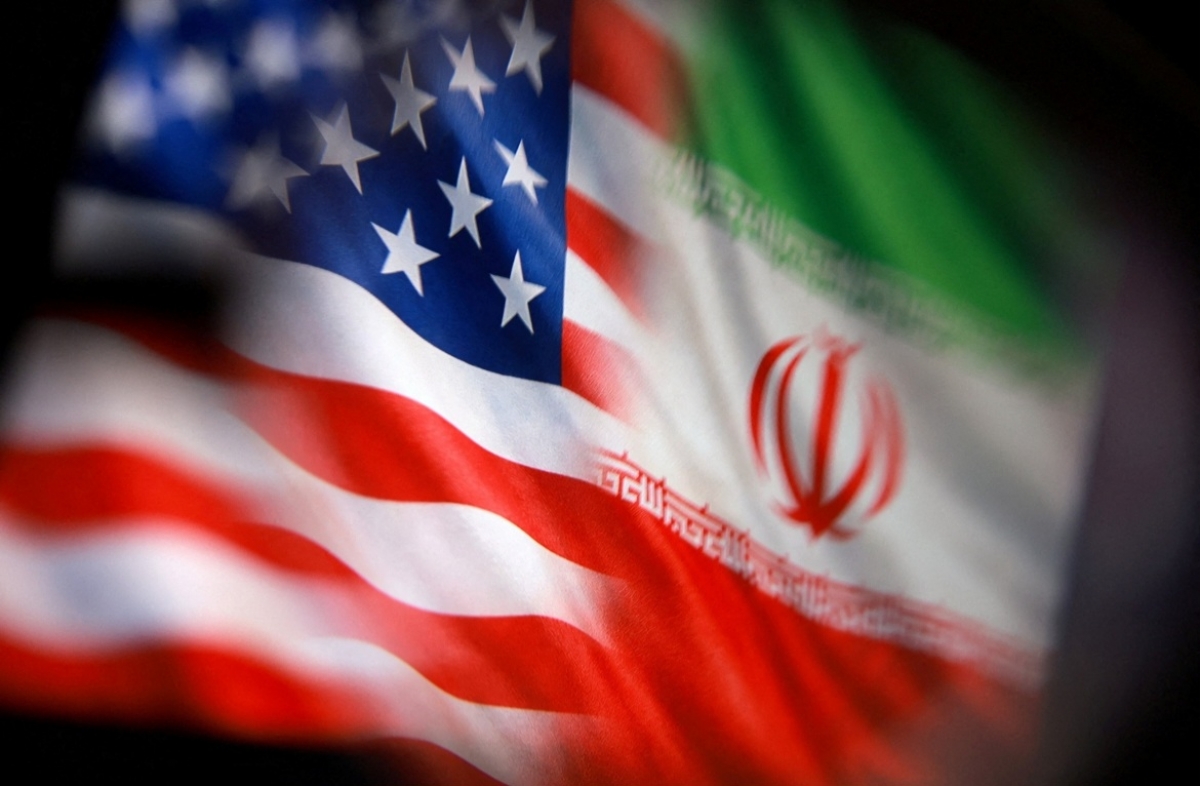
The weekend's military exchanges were the most serious escalation between Washington and Tehran since they signed a memorandum of understanding to end hostilities, known as the Islamabad Memorandum, on June 17. The strikes were accompanied by mutual accusations of violating the ceasefire, as well as increasingly confrontational rhetoric from leaders on both sides.
President Trump warned that "Iran will cease to exist" if Washington resumes its military campaign, while Iranian officials declared that Tehran stands ready to escalate the conflict further unless the United States halts its attacks.
Analysts say the confrontation stems from the most contentious issue in US-Iran negotiations – control of the Strait of Hormuz, through which roughly 20% of the world's exported oil and natural gas passes. Under the MoU, the waterway was to be fully reopened to international shipping 30 days after the agreement, restoring pre-conflict navigation.
The dispute lies in how each side interprets the agreement. Iran argues that the MoU grants Tehran, and, to some extent, Oman, the authority to regulate navigation through the Strait. Iranian Foreign Minister Abbas Araghchi said: "Any interference in this matter, or any attempt to establish new mechanisms separate from those implemented by the Islamic Republic of Iran, will only complicate the situation, delay the reopening of the Strait of Hormuz, and further increase tensions, just as we have witnessed in recent days."
Washington rejects that interpretation. President Trump has repeatedly insisted that the MoU guarantees the full reopening of the Strait without Iran imposing transit fees. From the US perspective, any disruption to commercial shipping constitutes a violation of the agreement.
US Ambassador to the UN Mike Waltz said Iran's ability to use the Strait as a bargaining chip will diminish as Gulf Arab states accelerate plans to bypass Hormuz by constructing additional cross-desert oil pipelines.
“The President's patience isn't going to last forever. Discussions are ongoing, particularly at a technical level of how to get inspectors in the downblending and the other pieces that are focused on ensuring Iran never has a nuclear weapon.” said Waltz.
Conflicting interpretations of the agreement
The resurgence of tensions, despite ongoing negotiations, underscores the fragility of the agreement. Observers note that several provisions in the 14-point MoU are vague and allow the two sides to interpret their commitment concerning the Strait of Hormuz, Lebanon, and inspections of Iran's nuclear facilities differently.
The US, Israel, and Lebanon signed a trilateral framework agreement last Saturday establishing a mechanism to restore Lebanese sovereignty, disarm Hezbollah, and facilitate Israel's withdrawal to its border once security threats are eliminated. The agreement makes virtually no reference to Iran's role, contradicting Tehran's assertion that the US-Iran MoU grants Iran greater influence over Lebanon's future political arrangements and requires Israel to immediately halt military operations in southern Lebanon, something that has not occurred since the MoU was signed.
Disagreements also persist over Iran's nuclear program. While Washington has repeatedly stated that it intends to oversee Iran's stockpile of enriched uranium, Tehran continues to insist on its right to enrich uranium for peaceful civilian purposes, albeit at lower levels. The conflicting public statements have prompted International Atomic Energy Agency Director General Rafael Grossi to express concern.
“Sometimes, statements from one or the other are contradictory, I should rather say, contradictory statements owe a bit to that factor that there is-- this is political positioning. But in reality, there is an agreement, and to comply with that agreement, the IEA will have to have access and inspect,” said Grossi.
The key question now is whether renewed military actions and conflicting interpretations of the MoU will cause the agreement to collapse.
Most analysts believe that risk is low because both Washington and Tehran view diplomacy as the preferred path forward. US media reported on Sunday that the two sides had agreed to immediately suspend attacks and resume negotiations on Tuesday in Doha, Qatar.
Talks had originally been scheduled to take place in Switzerland and were expected to focus primarily on Iran's nuclear program. But the deteriorating security situation around the Strait of Hormuz prompted the relocation of the meeting to Doha and shifted its primary focus toward maritime security along one of the world's most strategically important shipping lanes.