



Diversifying partnerships
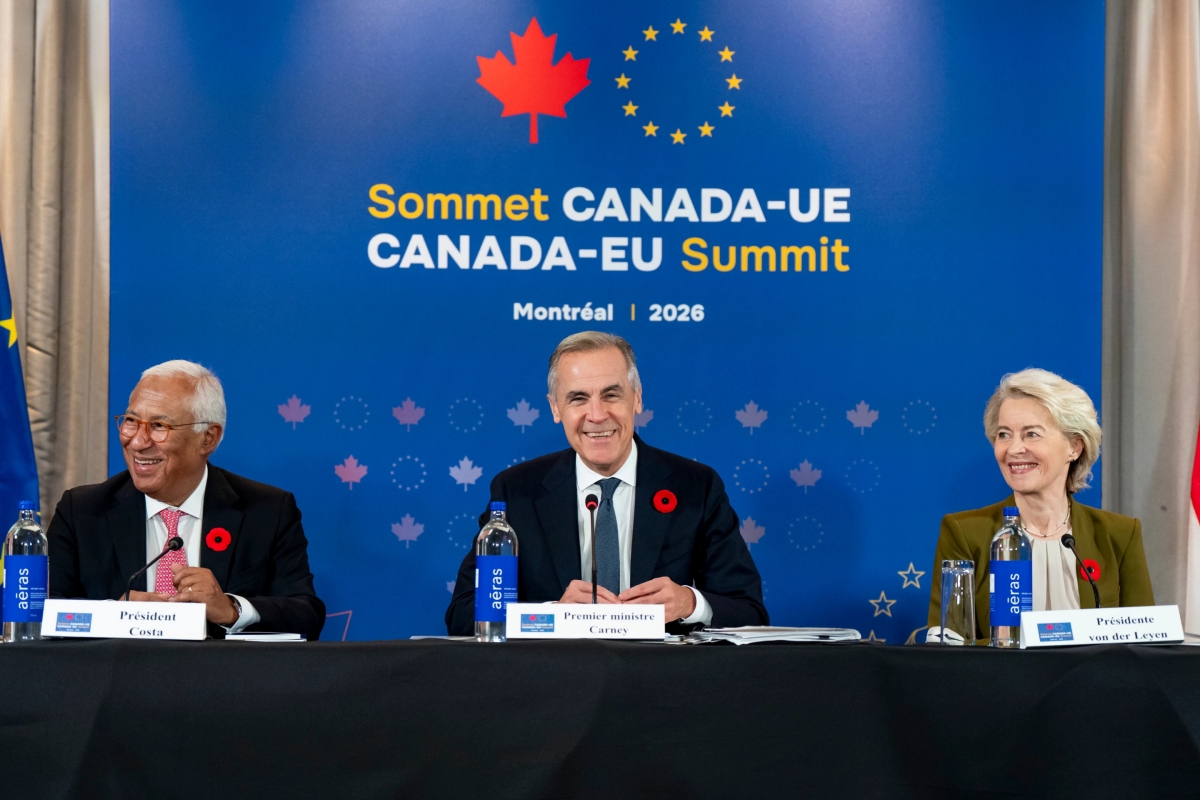
The EU-Canada summit was convened just over a month after European Commission President Ursula von der Leyen unexpectedly said in her State of the Union address on September 16 that the EU wanted Canada to become its first “associate member”.
Some key EU members oppose the idea of “associate membership” on legal grounds, so a less problematic name might be sought for the relationship, but a draft declaration endorsed by both sides reaffirms their commitment to “an ever closer association” short of full membership.
The partnership will be framed as the Alliance for the Future, a mechanism for implementing cooperation in multiple strategic areas, including digital trade, critical minerals, energy, technology, and wildfire response. The two sides also plan to expand transatlantic opportunities for education, work, and research through the Erasmus+ program, and explore ways to strengthen energy connectivity, including the possibility of Canada exporting liquefied natural gas (LNG) to Europe.
Canadian Prime Minister Mark Carney said the alliance would create new opportunities for Canadians and strengthen Canada’s sovereignty. “This new alliance is not a marketing exercise. The name doesn't matter. What matters is that the complementarities of our two jurisdictions strengthen our sovereignty, strengthens Europe's sovereignty.”
As Canada seeks to diversify its partnerships, the EU is an obviously important choice because they are already close political and security allies linked by one of the world's most successful free trade agreements, the Comprehensive Economic and Trade Agreement (CETA).
In 2025, bilateral trade in goods and services totaled approximately 130 billion euros (145 billion USD), up 80% from 2016. Ahead of the Montreal summit, a report by TD Economics, part of Canada's TD Bank, said Canada could reap significant benefits from strengthening its economic ties with Europe. If barriers are removed for defense, energy, critical minerals, and digital markets, bilateral trade will increase tens of billions of dollars.
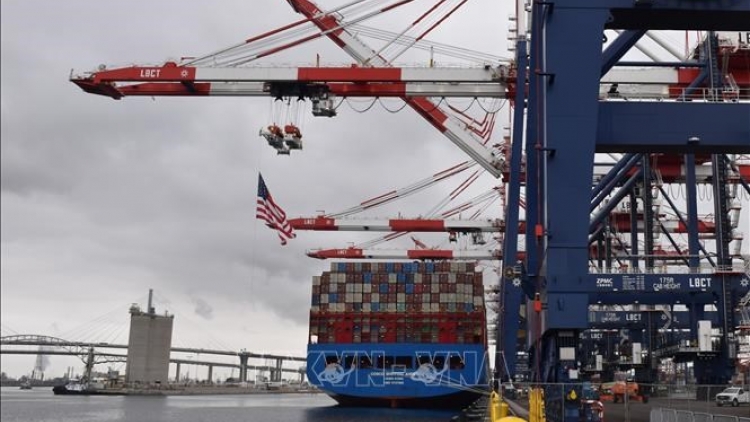
These prospects are important for Canada as its relationship with the United States - its neighbor and most important ally - has deteriorated significantly due to a trade war and President Trump's volatile geopolitical ambitions. Canada has set a goal of doubling its trade with countries other than the United States over the next decade.
Shared challenges
Canada's partnership diversification strategy aligns with the EU's ambitions, specifically its policy of de-risking economic ties with major partners like the US and China, and establishing a more independent role in security and geopolitics.
Beyond shared economic and technological interests and common cultural and institutional values, Europe is keen to strengthen security cooperation with Canada in the Arctic, given Canada's position as one of that region's largest countries.
On October 19, the EU unveiled a new Arctic strategy. Ahead of the Montreal summit, EC President Ursula von der Leyen again underscored the importance of cooperation with Canada in this strategically important region, where Russia, the US, and China are expanding their presence.
"So when we see Russia rebuilding its Arctic military footprint, reshaping the security of the Arctic, it impacts the European Union and Canada. We have to act and change our strategic posture," said von der Leyen.
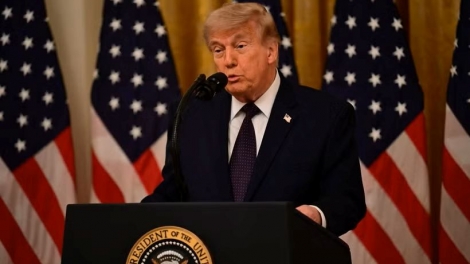
The EU and Canada both need to find a way to handle their relationship with their common ally, the United States. In response to the EU and Canada deepening their ties to an “unprecedented level”, President Trump has warned that the US might impose heavy tariffs or curtail trade with both if their new ties begin to look like a hostile act against American interests.
Wang Yaojing, an associate professor at Peking University School of Economics, says both Europe and Canada want closer ties in trade, defense technology, critical minerals, and Arctic security, but Europe can’t simply replace the US in supporting the Canadian economy. The relationship is more triangular, Wang said.
Ahead of the EU-Canada Summit, Prime Minister Carney said bilateral negotiations with Washington have been positive and both sides are open to pursuing a deal that serves their mutual interests.