







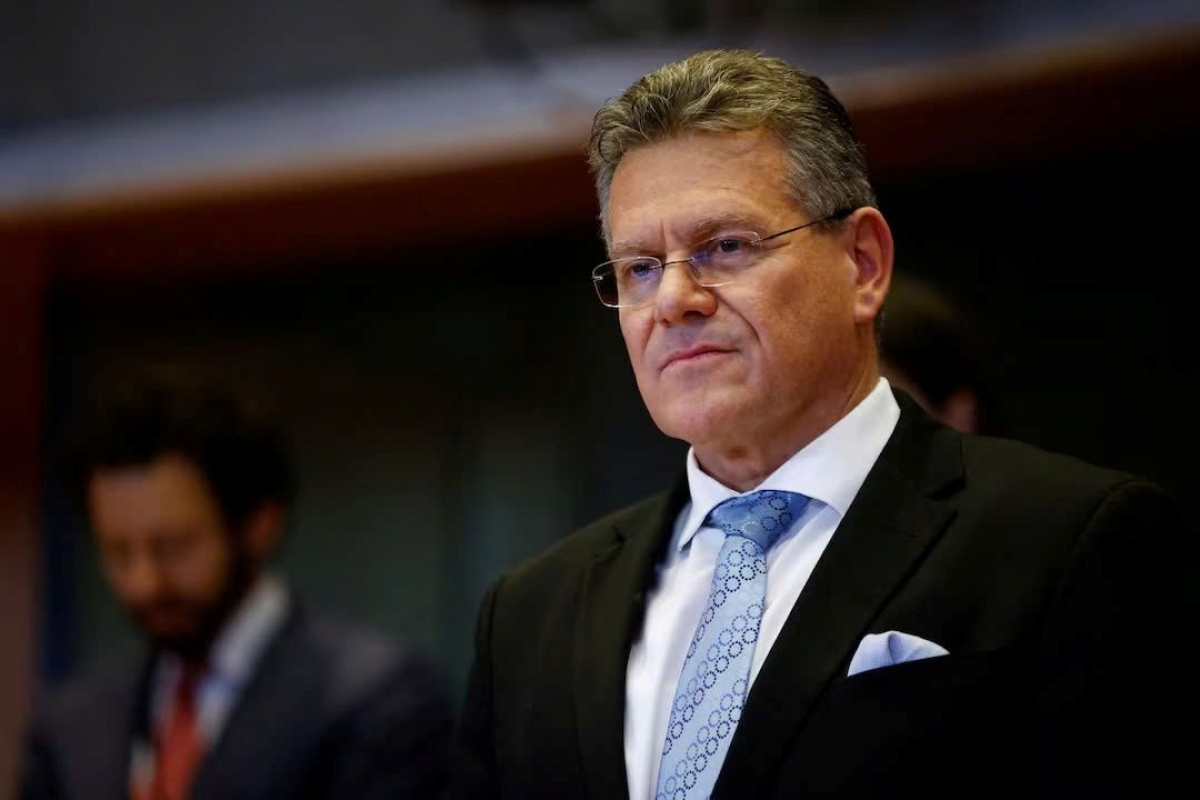
EU Trade Commissioner Maros Sefcovic arrived in Beijing on Thursday for two days of talks with his Chinese counterpart, Wang Wentao, amid growing pressure on both sides to reach a breakthrough agreement.
Concrete results
The European Parliament on Wednesday voted 454 to 86 in favor of a tougher stance on China, adopting a resolution calling for “economic reciprocity and a proportionate EU response if China does not open its markets.”
Earlier this month, France and Germany called on the European Commission to create a new mechanism that would allow it to quickly restrict access to the EU single market for certain products or trading partners in response to unfair trade practices.
German Chancellor Friedrich Merz said, "Above all, we want to enable the European Commission to act quickly when necessary." The downside of European trade policy in recent years has always been that decision-making processes have taken too long and the goal is to give the Commission a tool that allows it to react quickly, under the supervision of the European Council at all times, Merz said.
But a decision that can then be made as quickly as possible when trade policy challenges require it, he said, adding that is what the discussion will be about in the coming weeks.
The EU’s latest moves come as its trade deficit with China exceeds 1.1 billion USD a day and is expected to exceed 400 billion USD this year. The EU said it has yet to secure reciprocal commitments on access to China’s 1.4-billion-consumer market, while remaining heavily dependent on Chinese supplies of rare earths and other strategic materials.
The EU has identified three priorities: addressing surging imports in strategically important sectors, increasing European exports to China, and improving access to critical raw materials. European diplomats say the priority is to reach a concrete agreement after a prolonged period of talks.
Dialogue remains a priority
A central challenge for the EU is how to approach trade talks with China. In recent years, the EU has followed EC President Ursula von der Leyen’s policy of “de-risking, not decoupling.” The EU is trying to handle trade relations carefully because it still depends heavily on China for key materials needed for the green transition, including processed lithium and rare-earth magnets. European officials involved in the talks say negotiations are making tangible progress despite the challenges.
European Commissioner for Trade and Economic Security Maros Sefcovic said, "We’ve seen genuine engagement from our Chinese counterparts, and certainly from our side as well." It’s very important to use this second EU-China Trade and Investment Consultations (TIC) to move from rhetoric to concrete results, he said, "because that’s what people expect of me."
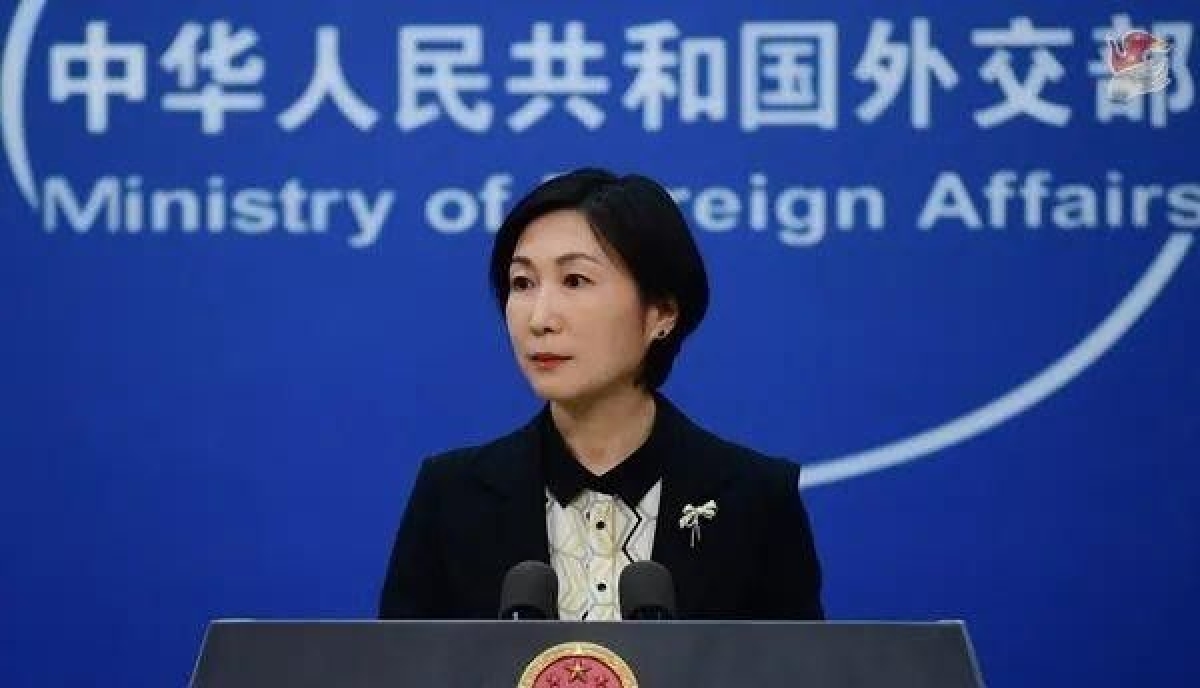
China, meanwhile, has stressed the need to maintain mutually beneficial cooperation and stable relations. Chinese Foreign Ministry spokesperson Mao Ning told reporters at a regular news briefing in Beijing on Thursday.
“We hope the EU will move in the same direction as China, resolve each other's concerns through dialogue and consultation, and promote the healthy and stable development of China-EU economic and trade relations. We believe this is in the interests of both sides.”
China is focusing on two key principles in its trade talks: economic security and strategic autonomy. Beijing has made its commitment to these goals clear in its relations with the US over the past two years.


