



Budget dispute
The most divisive issue on the agenda is the EU’s budget for 2028-2034, known as the Multiannual Financial Framework (MFF). Last Saturday, European Council President Antonio Costa proposed an MFF of 1.78 trillion euros with 3 key objectives: to provide a balanced distribution of funds between the EU's key strategic priorities and established policies, particularly agricultural policy; to keep national contributions within reasonable limits; and to build a balanced basket of resources from digital services and emissions trading schemes.
Of these three objectives, keeping member states’ financial contributions within reasonable limits is the most contentious. The group of Central and Eastern European and Southern European countries, which includes Hungary, Slovakia,and the Czech Republic, strongly oppose reducing the funding for development programs from 62% to 42%.
Other countries who oppose the proposed budget, led by Germany, argue that the MFF places an excessive burden on member states and exceeds what many of them can afford amid economic difficulties.
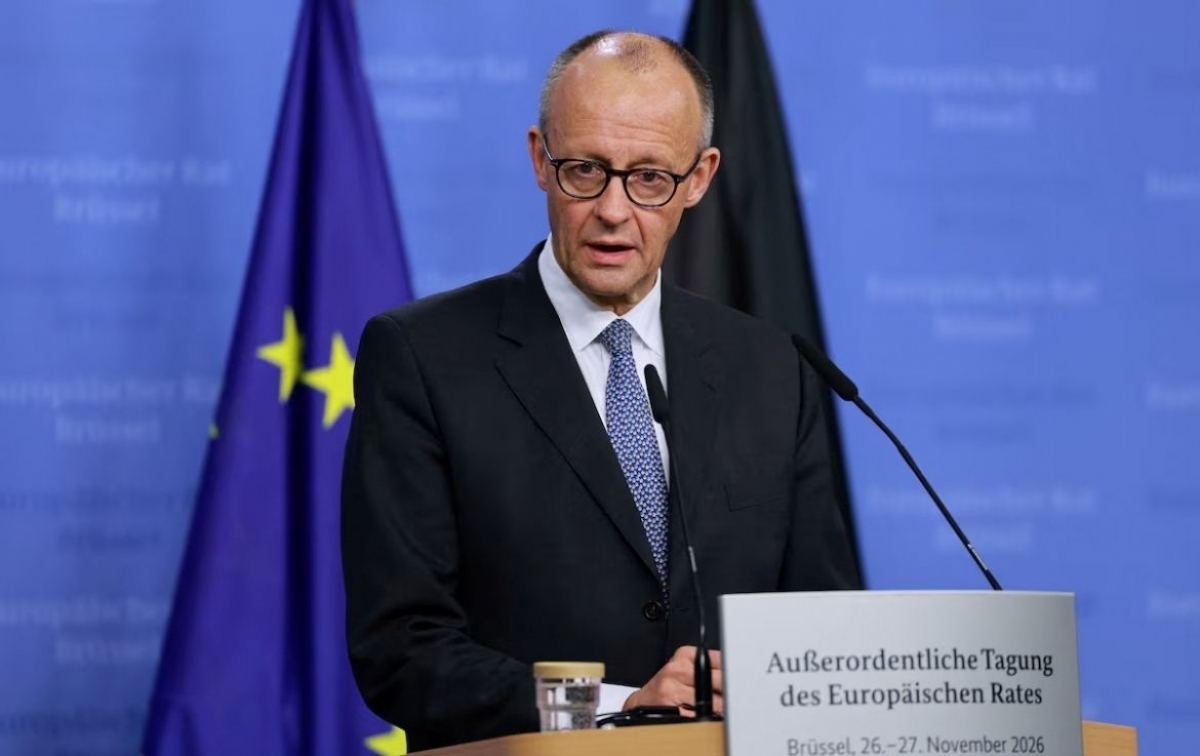
“We’re discussing the future of the European Union and the direction of European policy in the years ahead. In our view, the current proposals don’t yet provide a basis for reaching an agreement. The budget is still too high and members need to be able to afford the full cost,” German Chancellor Friedrich Merz said.
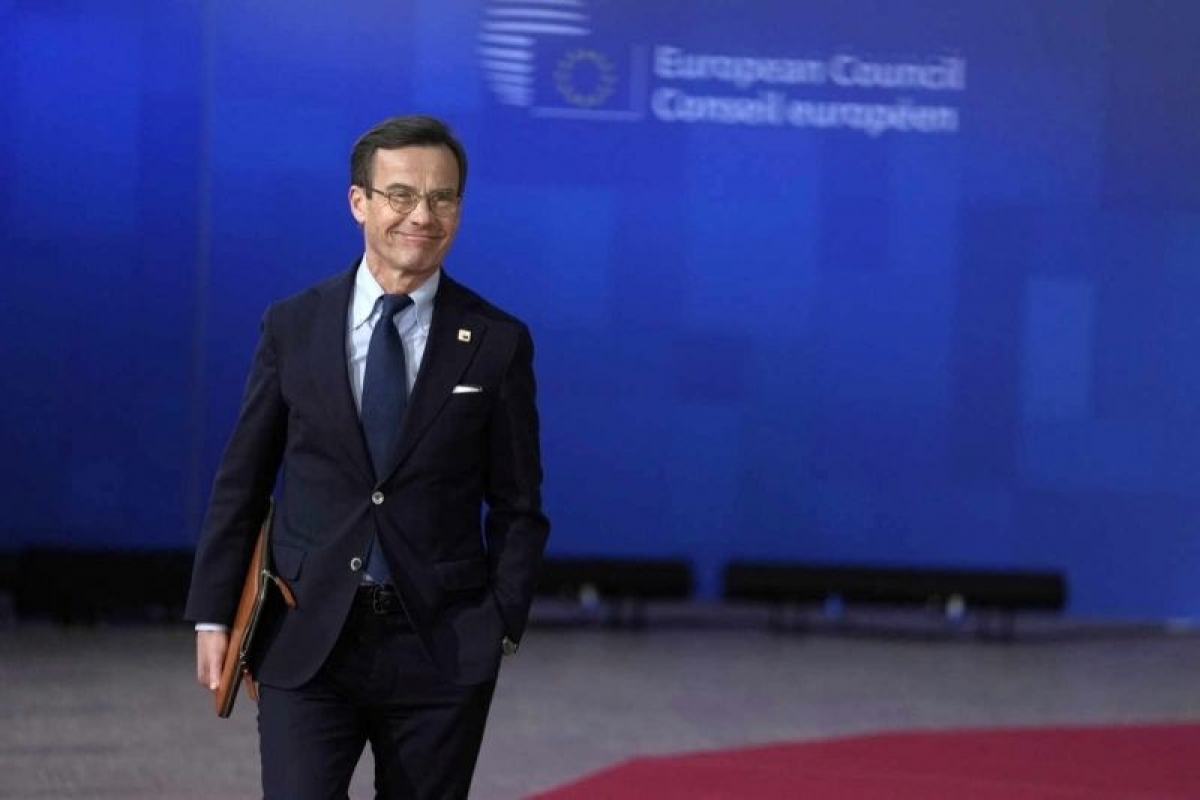
Swedish Prime Minister Ulf Kristersson said the EU’s problem goes beyond its ever-expanding budget to the fact that net-contributing nations are being asked to carry an unfair financial burden.
“You cannot solve every problem with a bigger budget and ask those who are net contributors to pay more every time. That is simply not reasonable,” said Kristersson. “They're very much in favor of the European Union, but we cannot be an ATM for the European Union.”
Pressure to support Ukraine
Financing Ukraine is another controversial issue. On November 18, the European Commission proposed a 45-billion-euro loan package for Ukraine in 2027, following the EU’s 90-billion-euro Ukraine Support Loan program for the 2026-2027 period.
At a time when most EU members are facing financial difficulties, the proposed MFF is placing considerable pressure on national budgets. Although most EU countries have pledged long-term support for Ukraine on all fronts, more voices are calling for diplomatic negotiations.
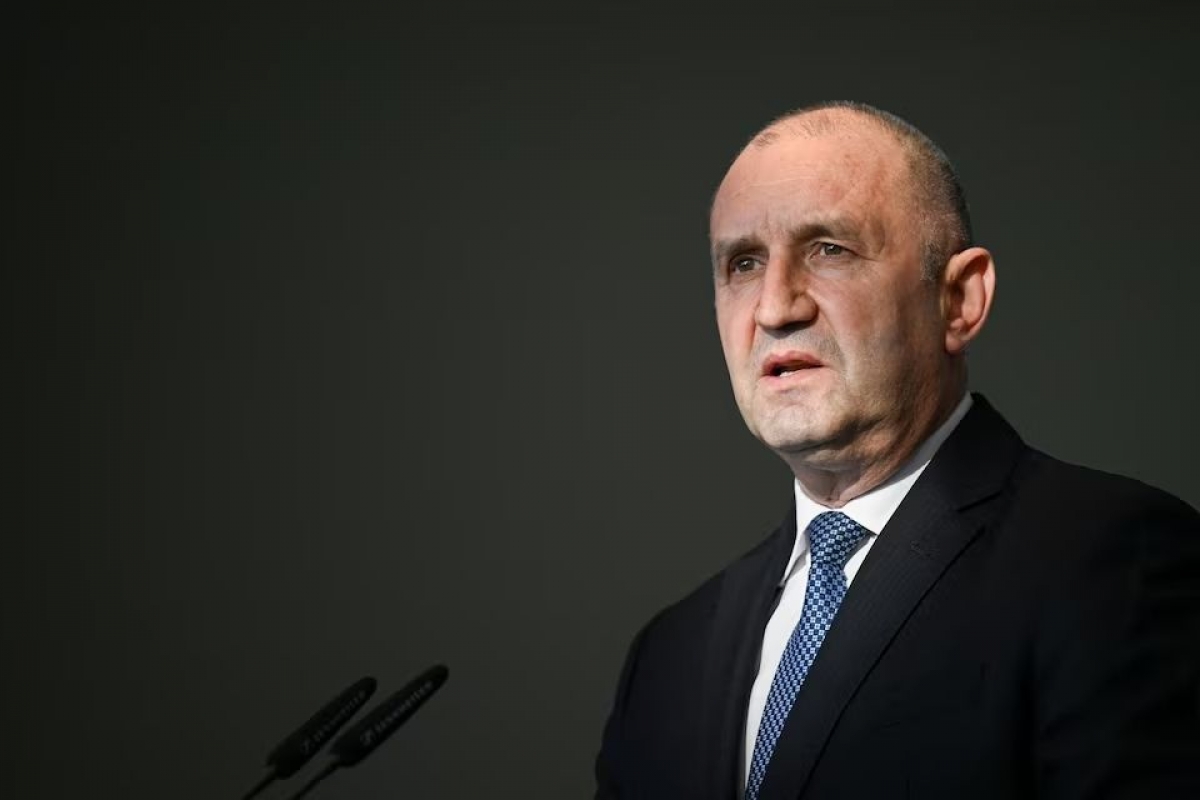
“It was absolutely clear. We are going to split the budget and the loan of these 45 billion into two parts: a military component of 25 billion, and non-military budget component of 20 billion. Bulgaria is going to take part in the loan of 20 billion non-military support for Ukraine. So we are going to contribute, but again, no money from Bulgaria for weapons, no money for war in Ukraine,” said Bulgarian Prime Minister Rumen Radev.
German Chancellor Merz is calling on all 27 EU members to provide financial support to Kyiv, and linked the MFF to the proposed 45-billion-euro loan to Ukraine. Merz is opposed by the leaders of Hungary, Slovakia, and the Czech Republic, who say Berlin is pressuring them to make concessions on aid to Ukraine in exchange for agreement on the EU budget.