



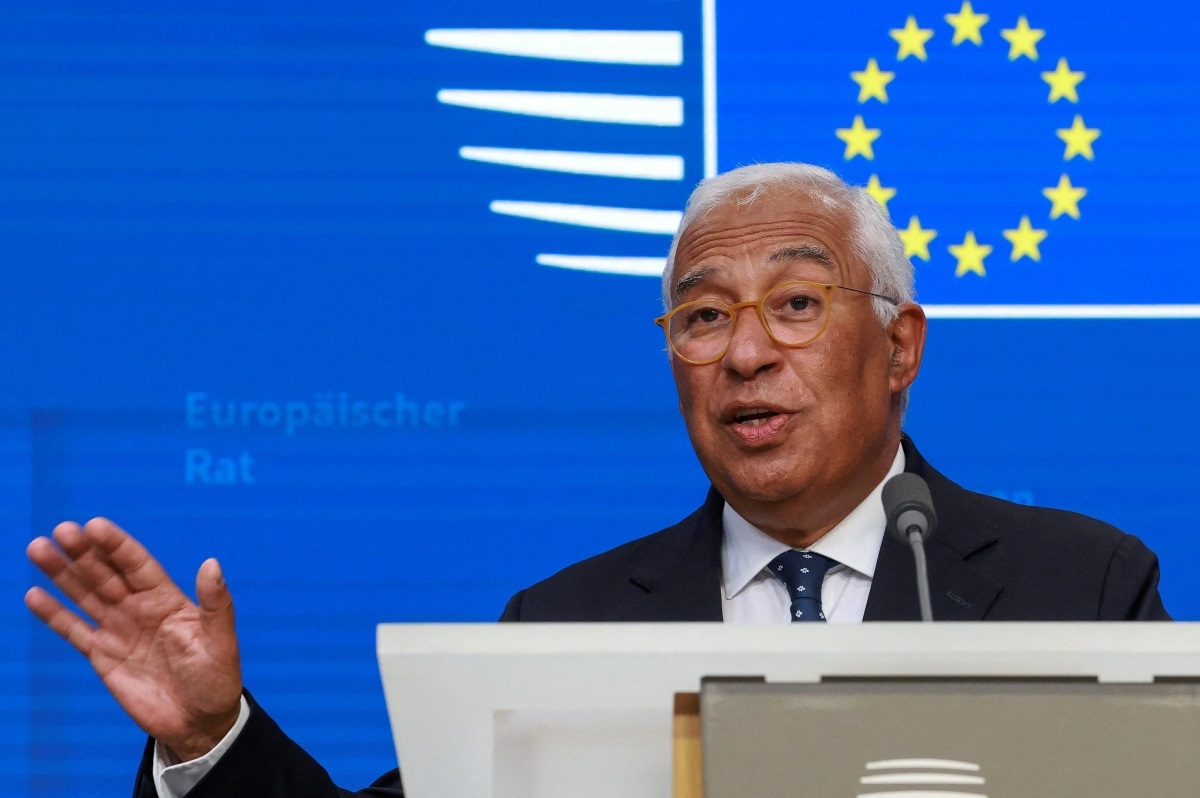
President of the European Council Antonio Costa said Monday that Europe needs to open a diplomatic channel with the Kremlin to assess whether conditions exist for peace negotiations.
Diplomatic front
At the EU-Moldova Summit, Costa reiterated his call for the EU to establish a direct diplomatic channel with Russia, his third appeal in less than a month. In fact, the European Council has already had limited diplomatic contacts with the Kremlin to open lines of communication. On June 19, when EU leaders gathered for a summit in Brussels, Costa strongly defended the idea despite criticism from within the bloc.
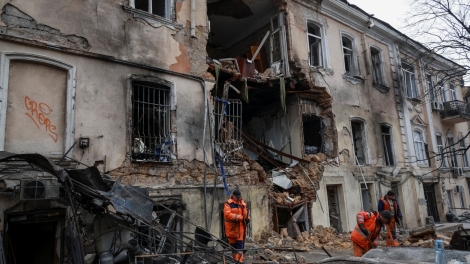
He said the prolonged deadlock in the Russia-Ukraine conflict has forced Europe to rethink its approach toward Russia. Europe can no longer impose sanctions on Russia and increase support for Ukraine, it must also open a diplomatic channel. Europe has repeatedly been excluded from negotiations that have involved only Russia, Ukraine, and the US.
“What I'm doing is to open a diplomatic channel. Because when we want to speak with Russia, we need to listen directly from them. When we have some messages to send, we need to send directly to them,” said Costa.
In support of this view, many EU leaders, including European Commission President Ursula von der Leyen, French President Emmanuel Macron, and Italian Prime Minister Giorgia Meloni, say that, although Europe is not acting as a mediator but rather as a supporter of Ukraine, Europe demands a seat at the table to safeguard its own security, economic, and geopolitical interests.
President Macron said, "Europeans must be at the table because Europe's interests are at stake — interests that are partly linked to what is happening in Ukraine, due to the aid we have provided, due to the issue of enlargement that worries Europeans, as well as due to financial support and loans. The EU should be represented by the President of the European Council, António Costa, but only within the scope of his duties.”
This view has met with cautious reactions from some member states, particularly those in Eastern Europe and the Baltic region, but has received support from Ukraine. President Volodymyr Zelensky has urged Europe to take a more proactive role since trilateral negotiations by the US, Russia, and Ukraine have been deadlocked since mid-February.
For Ukraine, the pressure to end the conflict through diplomacy was evident in President Zelensky’s recent public letter to President Putin on June 4.
How should dialogue be conducted?
The real question facing the EU is not whether it should engage in direct dialogue with Russia, but how such dialogue should take place. Italian Prime Minister Meloni has emerged as a leading proponent for appointing a single European Union special envoy to engage with Russia. The idea first emerged earlier this year, with former German Chancellor Gerhard Schröder seen as a suitable candidate because of his personal ties with several generations of Russian leaders.
However, some EU member states opposed Schröder and efforts by the UK, France, and Germany, known as the E3, to lead Europe’s diplomatic efforts with Russia.
Prime Minister Meloni acknowledged that it would be more difficult for the EU if diplomatic efforts were driven solely by a group of major powers. "If we want to achieve a result on this issue, it would be very difficult to propose a person coming from one of the large European countries. I think that would make reaching an agreement more difficult, so I would look instead toward the medium-sized powers of the European Union."
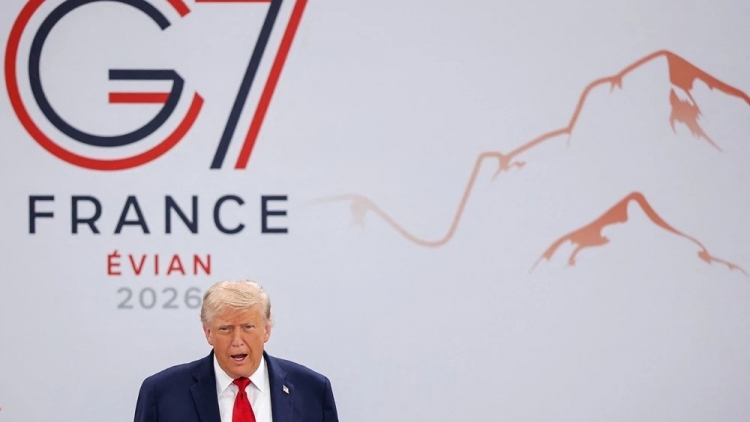
According to observers, one result of the easing of tensions in the Middle East following the US-Iran deal is that President Trump can now give more attention to the Russia-Ukraine conflict. At last week's G7 Summit in Evian, France, Trump made a number of remarks concerning Russia and Ukraine.
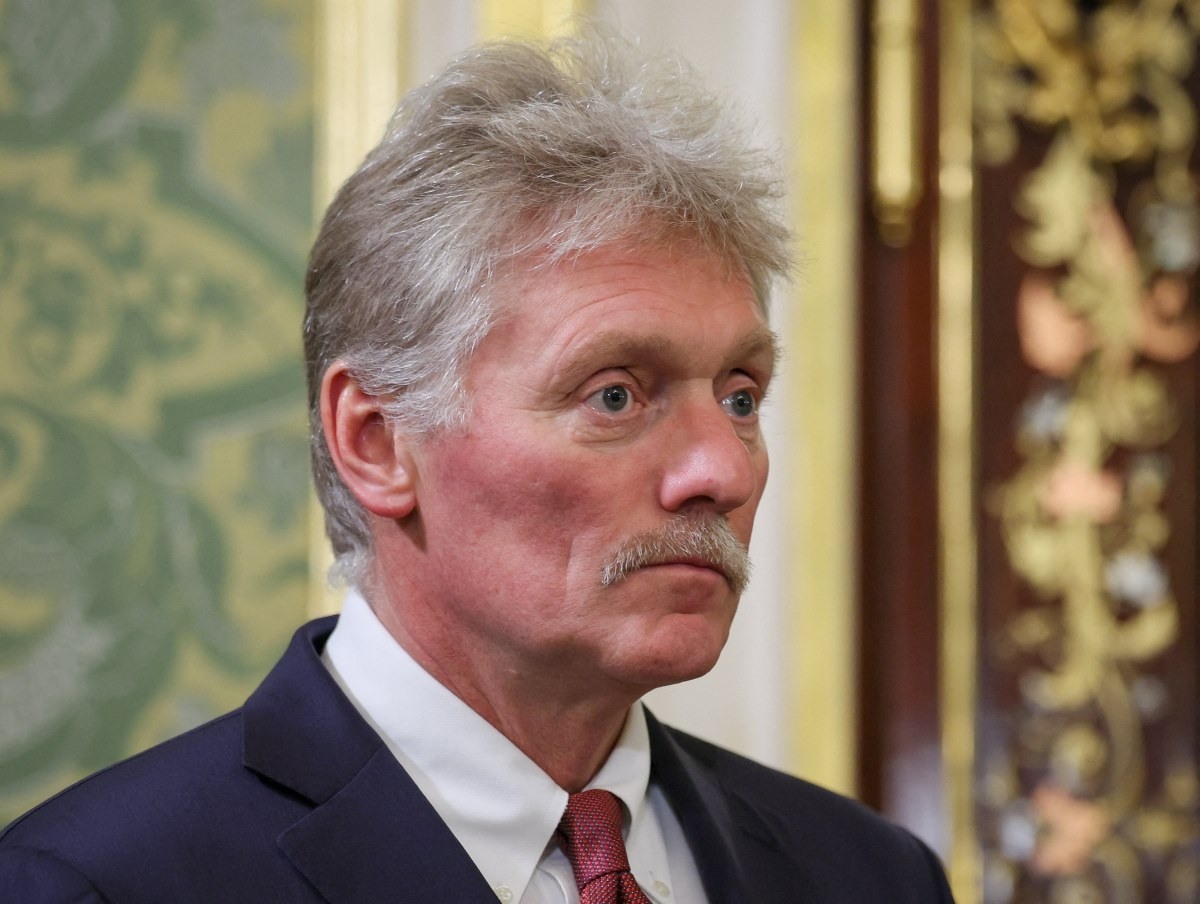
However, Europe's tough stance toward Russia could cause Moscow to show little interest in dialogue at this stage. Kremlin spokesman Dmitry Peskov said last Friday that Europeans should carefully observe the reality on the ground, including the situation in the Ukraine conflict.
“If political forces emerge in Europe that recognize the need to resume dialogue with Russia without issuing ultimatums or attempting to lecture Moscow, Russia would be willing to engage,” he said.
Observers note that, alongside continued interest in the Ukraine issue, the US has maintained its criticism of Europe with statements regarding the repositioning of US forces on the continent. Europe must therefore navigate these developments carefully, and not assume that the US will support Ukraine and Europe as it has in the past.