



The UN Security Council on Monday held a high-level open debate on “The Safety and Protection of Waterways in the Maritime Domain.” The discussion took place after an attack on Iran led it to close the Strait of Hormuz, pushing the world into one of the most serious maritime security crises in decades.
Hormuz hotspot
The UNSC debate was chaired by Mr. Abdullatif bin Rashid Al Zayani, the Minister of Foreign Affairs of Bahrain, the Council presidency for April. UN Secretary-General António Guterres, Secretary-General of the International Maritime Organization (IMO) Arsenio Dominguez, representatives of UN member countries, and some experts attended the debate.
In his speech, Mr. Guterres warned that global maritime safety is becoming a test of the international order, as piracy, terrorism, geopolitical competition, and actions that obstruct freedom of navigation continue to threaten international peace and security.
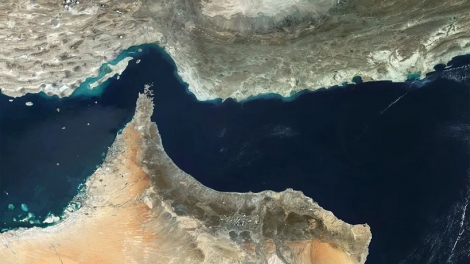
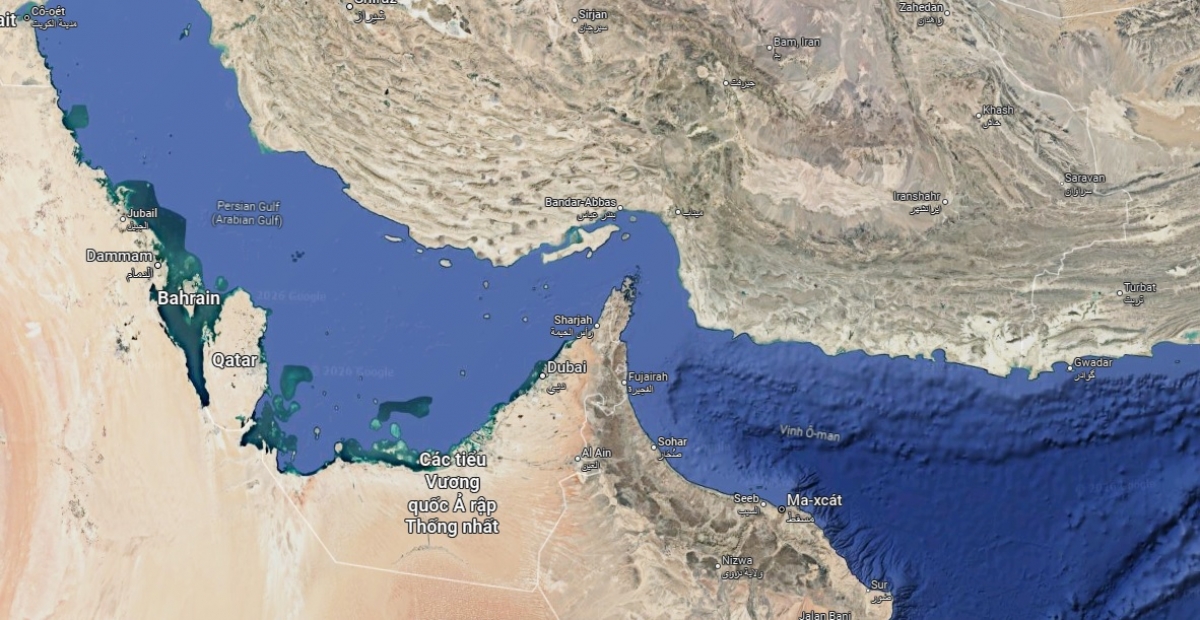
The deadlock in the Strait of Hormuz, located between Iran and Oman, drew particular attention. Since the conflict between the United States-Israel and Iran broke out, the strait has repeatedly been shut down and reopened and is currently under dual blockades imposed by Iran and the US. Any blockade of the Strait of Hormuz, which handles around 20% of global oil and gas exports, could cause the largest disruption to the energy supply in history, undermine global maritime security, and seriously damage trade flows, supply chains, and global growth.
Most of the countries and organizations participating in the UNSC debate called for urgent measures to reopen the Strait of Hormuz. Mr. Guterres said: “Navigational rights and freedoms through the Strait of Hormuz must be respected as affirmed by this Council’s Resolution 2817. These principles must be upheld in full and without delay. I appeal to the parties: open the Strait, let ships pass, no tolls, no discrimination, let trade resume, let the global economy breathe.”
Prior to the debate, multiple international conferences had been held to discuss political, military, and technical scenarios to reopen the Strait. But experts said none of those scenarios were likely to succeed.
Alexis Ellender, a senior analyst at maritime data firm Kpler, said: “We are a long way off returning to normal trade through the Strait of Hormuz. I think what’s been particularly damaging was that we had a “yes, you’re okay to go,” and then it all grounds to a halt very quickly, which means next time this happens, people are probably going to wait a bit longer. If you’re trapped within the Middle East Gulf, you will make a rush for the exit, as we saw. But in terms of vessels going back into the region, potentially to load a cargo of crude oil or fertilizer, people will be very, very cautious.”
Rescue efforts prioritized
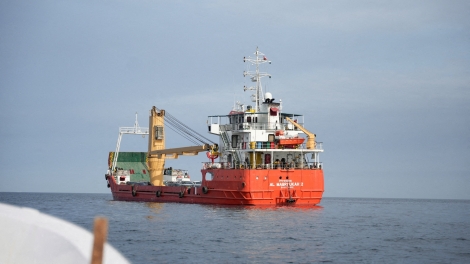
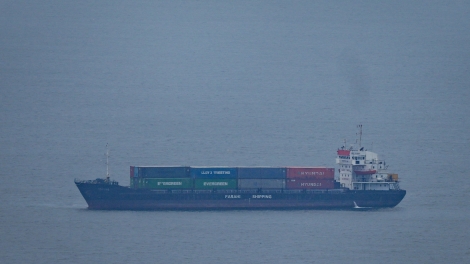
Alongside calls to restore freedom of navigation without obstruction and respect international law and maritime transit rights, the UNSC debate emphasized the urgency of rescuing sailors on cargo vessels that have been stranded for nearly two months in the Gulf. According to the International Maritime Organization (IMO), more than 20,000 sailors on 2,000 commercial vessels are currently stuck in the Gulf due to restricted transit through the Strait of Hormuz. After many days of stress and fear for their safety, their situation is worsening as living conditions aboard those vessels continue to deteriorate.
IMO Secretary-General Arsenio Dominguez called for international support to evacuate stranded sailors from the Persian Gulf, initially by backing the IMO’s plan to facilitate evacuation. This was the second appeal by the IMO within a week.
Mr. Dominguez said: “Following the IMO Council decision, I have begun the development of an evacuation framework using the existing traffic separation scheme to securely evacuate ships and seafarers from the conflict zone. The technical and operational developments are being carried out with the involvement of the regional countries, including Iran, and with support from relevant countries assisting in the negotiations. As an organization, we are ready to implement this framework without delay, but only once it is safe to do so.”
The IMO leader called on countries to ensure reasonable insurance costs to enable a return to normal operations as soon as possible. He said freedom of navigation is a non-negotiable principle. Vessels must be allowed to trade globally without obstruction and in accordance with international law. No country has the right to close a strait used for international navigation. Likewise, no country may impose payments, fees, or discriminatory conditions on the use of an international strait.