



In the new phase of development, institution building and refinement are a central priority in efforts to remove bottlenecks, unlock resources, and create breakthroughs for national development.
Putting 14th National Party Congress’s Resolution and guidelines into practice
In 2026, lawmaking is closely aligned with implementation of the Resolution and guidelines of the 14th National Party Congress and Politburo Resolution 66 on reforming law-making and enforcement processes.
Since the beginning of the year, the National Assembly has passed 24 laws and 6 resolutions. It’s expected to consider and adopt 39 laws and 4 resolutions at the ongoing year-end session.
Digital technology, artificial intelligence, and big data have been applied to modernize and streamline legislative procedures. The legal mindset is shifting from management to enabling development. Efforts to remove institutional bottlenecks, reform administrative procedures, promote decentralization and delegation of authority, and advance digital transformation have made it easier for citizens and businesses to carry out their activities.

“Respect for the law must begin with state agencies and those entrusted with exercising public authority. All agencies, officials, and civil servants must work within the Constitution and the law, and perform their duties with integrity, impartiality, and accountability,” Deputy Prime Minister Le Tien Chau said.
“Lawmaking and law enforcement will undergo substantive and far-reaching improvements, enabling institutions to drive national growth and competitive advantage, thereby contributing to building a socialist law-governed state in Vietnam,” he noted.
Development today must build capacity for tomorrow
The 14th National Party Congress identified major tasks for achieving the national development goals by 2030, with a vision to 2045. Science and technology are profoundly transforming people's lives and governance methods. The complex and volatile international environment is placing greater demands on national capacity, self-reliance, and defense.
Vietnam needs a coherent and workable institutional framework, supported by a capable administrative apparatus that can effectively implement the Party's guidelines and the State's policies and laws, and translate development goals into tangible results.
Legal reforms must fully incorporate constitutional principles, ensure consistency across the legal system, and strengthen coordination between different sectors. They must create room for responsible innovation, manage risks in the public interest, and avoid barriers to development.
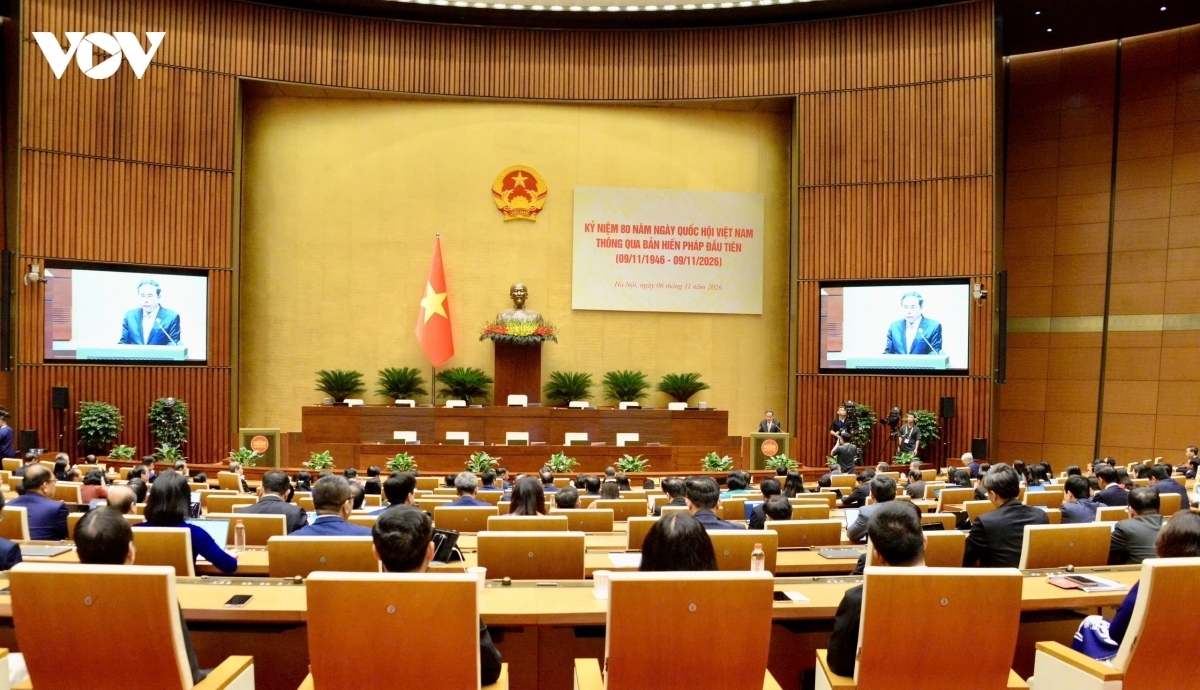
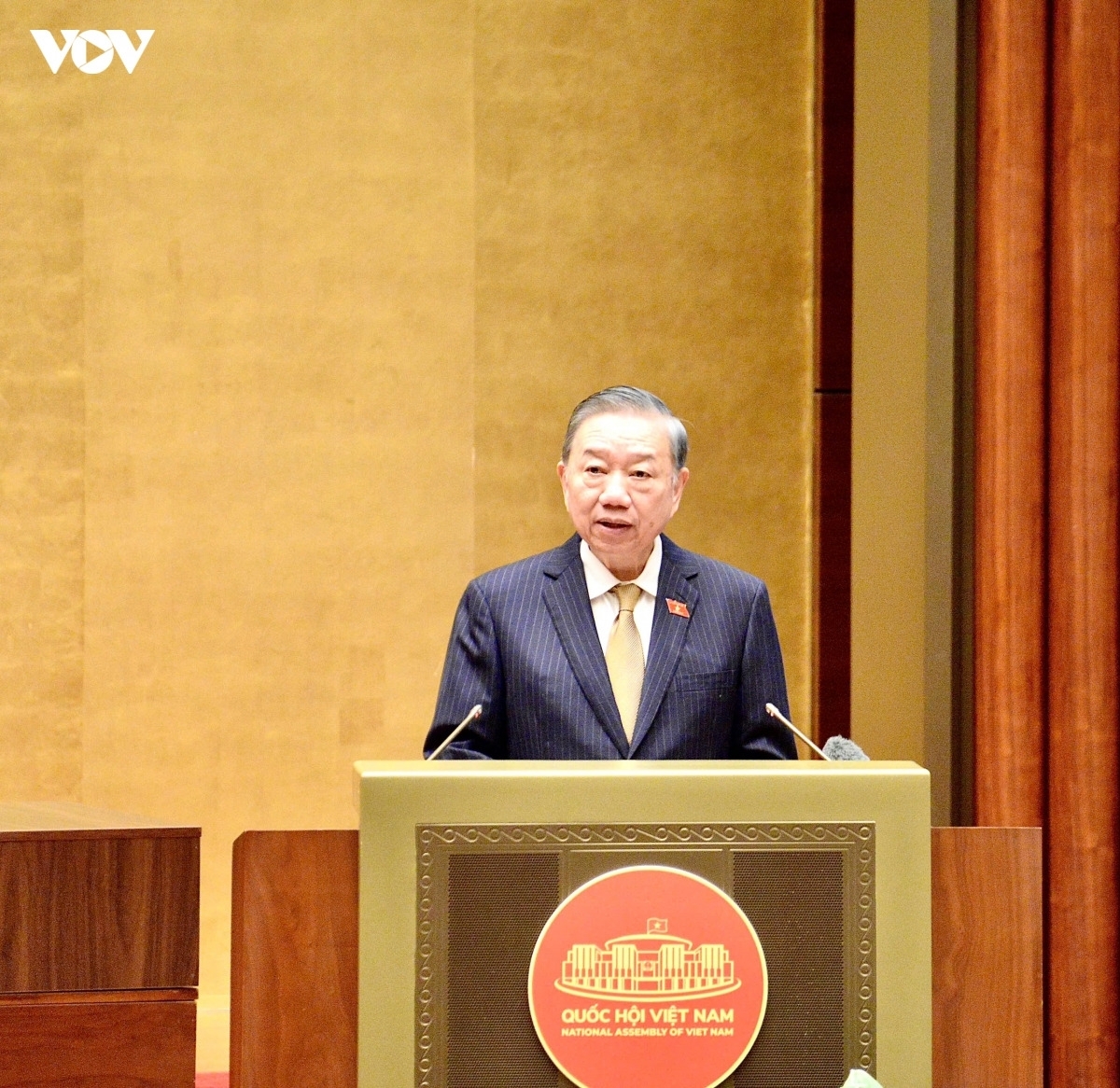
“Development today must build capacity for tomorrow. Short-term interests must not come at the expense of the environment, stability, or opportunities for future generations,” Party General Secretary and State President To Lam said at last week’s ceremony marking the 80th anniversary of the National Assembly’s adoption of Vietnam's first Constitution.
“Policy proposals, reviews, and deliberations must be based on evidence, impact assessment, and clearly defined available options and implementation conditions. The Government, policy making agencies, and reviewing bodies must take responsibility for their proposals and recommendations, ensuring objectivity,” he said.
Vietnam is striving to achieve its development goals in a new era. In this process, law has gone beyond an instrument of administrative management to take on a leading role in shaping and driving national development. A modern, transparent legal system will unlock society's resources, safeguard innovation, and boost national competitiveness, laying a solid foundation for future growth.