



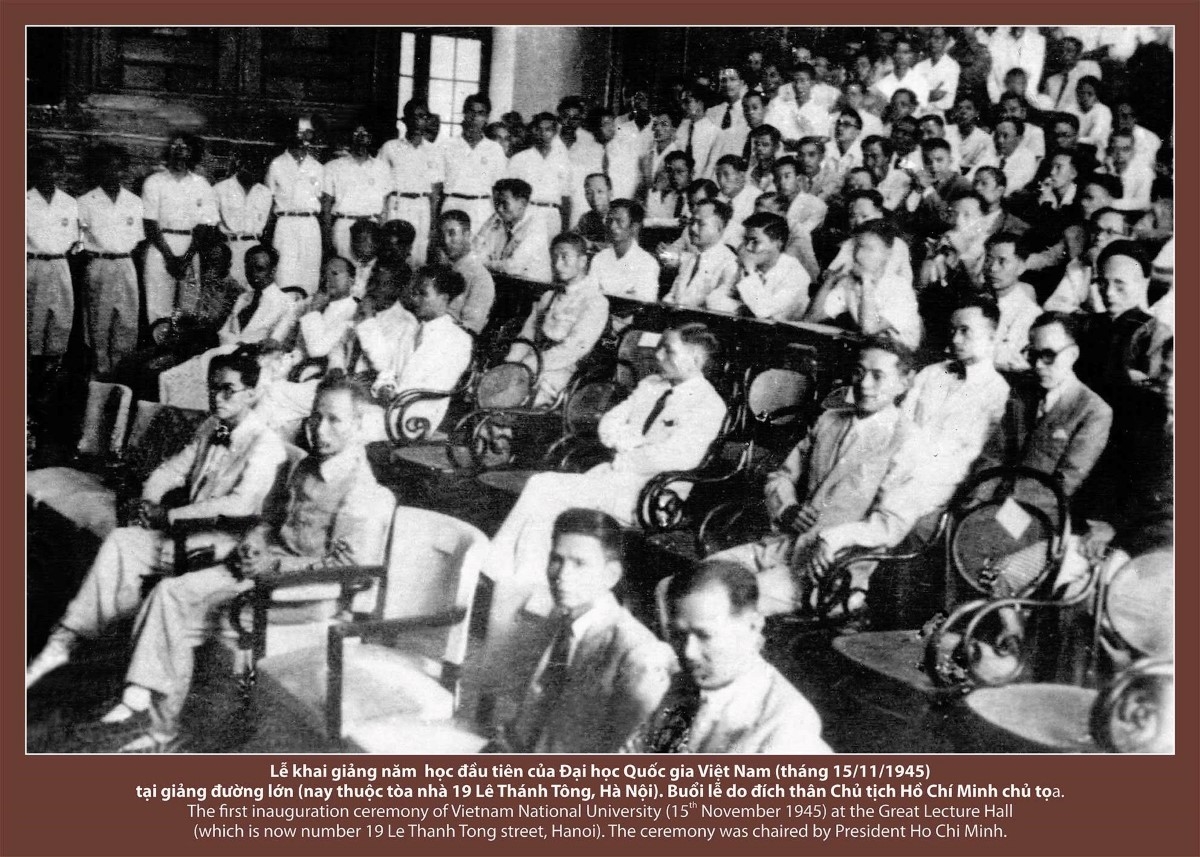
On November 15, 1945, two months after the birth of the Democratic Republic of Vietnam, now the Socialist Republic of Vietnam, President Ho Chi Minh presided over the opening ceremony of an independent Vietnamese university system at the National University, now called the Vietnam National University, Hanoi.
A strategic vision
At a time when Vietnam was still struggling against “hunger, illiteracy, and foreign aggression,” President Ho Chi Minh’s role at the ceremony demonstrated his strategic vision that safeguarding independence and rebuilding the nation required enlightening the people, revitalizing the intellectual community, and establishing a new national university system.
It also underscored that universities are the training ground for the intellectuals and officials serving national construction and defense.
At the ceremony, President Ho stressed the importance of knowledge and education, insisting that “An ignorant nation is a weak nation.” His words became a guiding principle and a tremendous source of encouragement for generations of teachers and students at Vietnam National University, Hanoi, and affirmed that intellectuals and education are inseparable from the revolutionary cause. A new vision for intellectuals and universities.
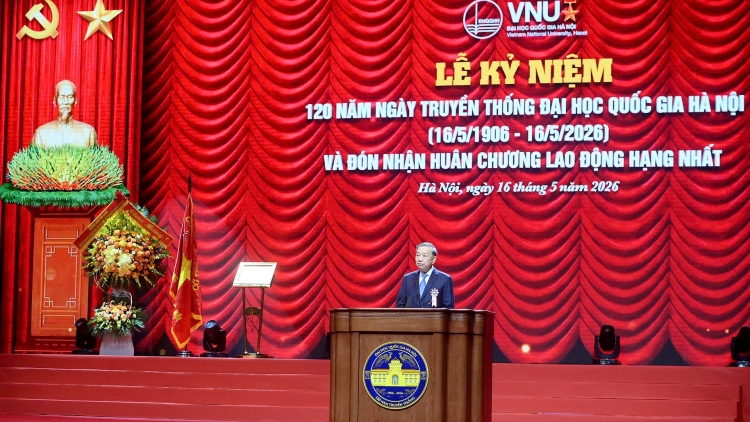
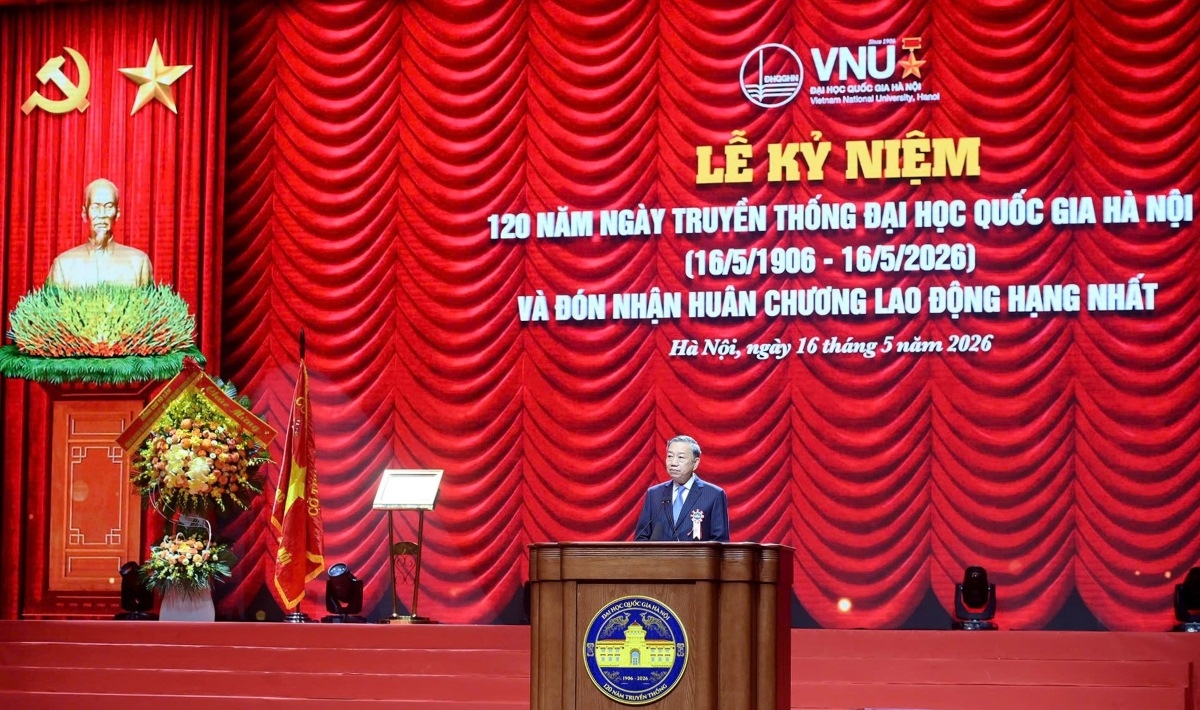
More than 80 years later, during last Friday’s ceremony marking the 120th anniversary of Vietnam National University, Hanoi, Party General Secretary and State President To Lam delivered a speech on the role of universities, science, technology, and intellectuals in Vietnam’s next phase of development.
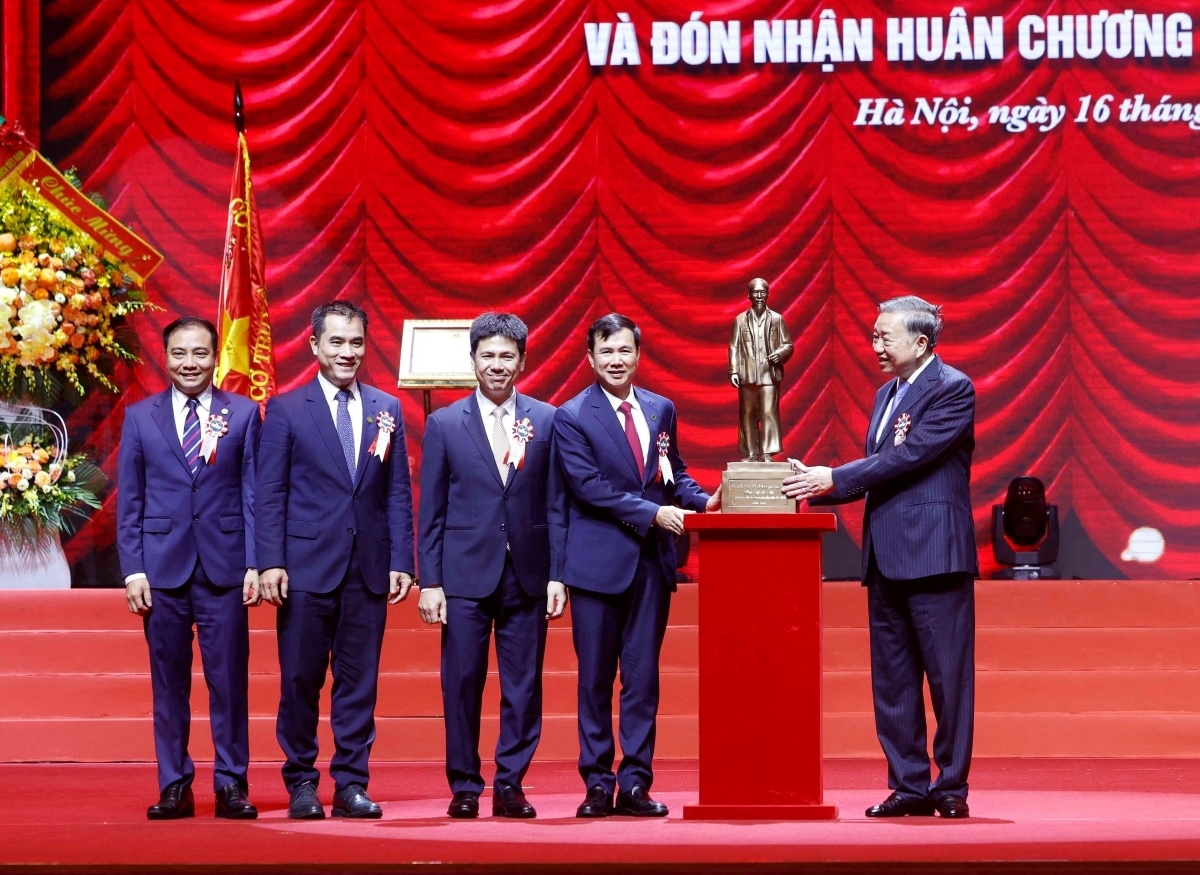
Calling Vietnam National University, Hanoi a strategic national infrastructure, Mr. Lam emphasized that the university’s mission must go far beyond training human resources to take on the responsibilities of enhancing national competitiveness and development, and pioneering research and innovation in artificial intelligence, semiconductors, biotechnology, new materials, big data, green technology, and innovation ecosystems.
He stressed that these priority technology sectors represent the very map of global competition in the 21st century.
The top leader called on Vietnam National University, Hanoi to join the elite institutions of Asia and the world, noting that if Vietnam is to reach a higher stage of development, it must build educational centers capable of competing globally in science, technology, and innovation.
His speech placed higher education at the center of Vietnam’s development strategy, reflecting a new vision of the role of intellectuals in the 21st century.
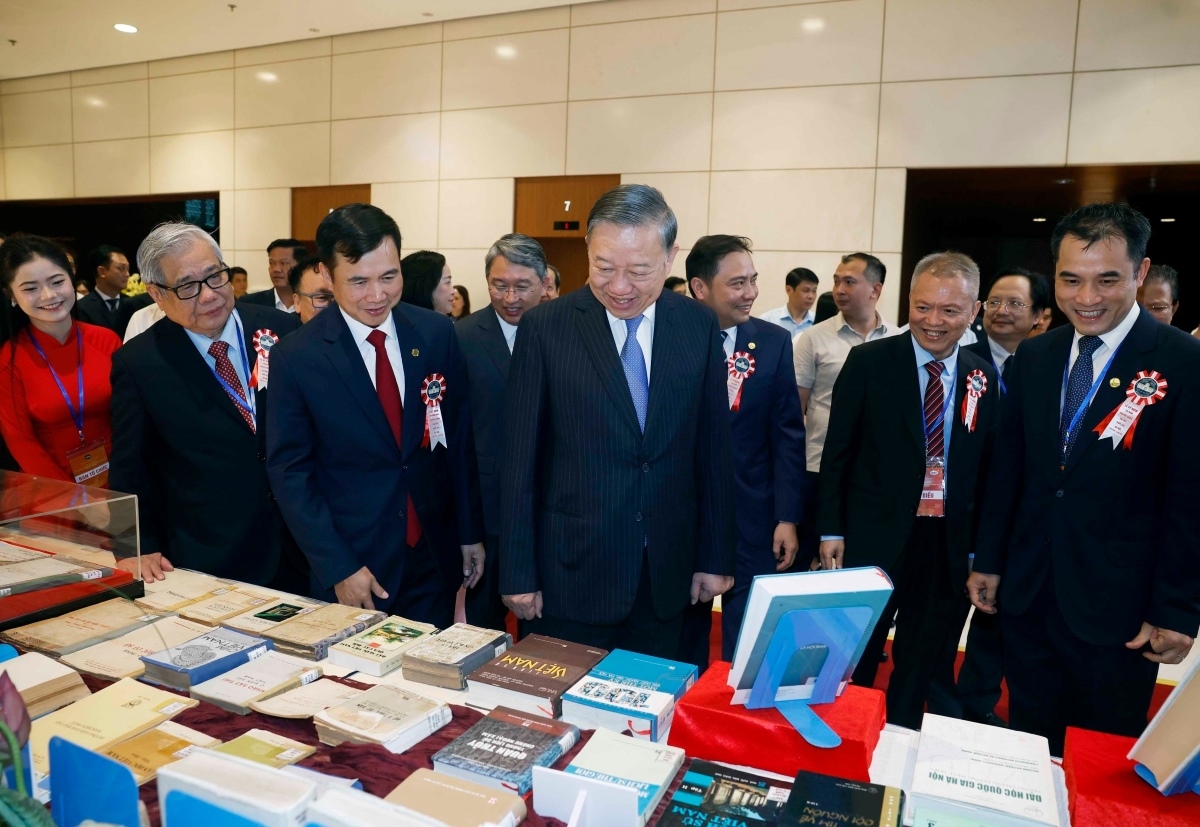
According to Mr. Lam, Vietnam National University, Hanoi must become a leading center of innovation, scientific research, strategic policy consultation, and academic diplomacy.
“Vietnam’s aim of rapid and sustainable development in the new era requires Vietnam National University, Hanoi to strive harder, act more decisively, and make stronger breakthroughs on a par with the stature and mission of a national university. The Party has repeatedly warned that falling behind is a danger that threatens the nation’s future. Lagging behind in development stems from lagging behind in science, technology, and innovation in production, services, and national governance. In an era of globalization and rapid technological revolution, falling behind means dependence, weakness, and missing opportunities to rise,” said Mr. Lam.
Party leader and President Lam‘s speech was a call to action for Vietnam’s intellectual community with the clear expectation that intellectuals can’t ignore the nation’s challenges, universities can’t ignore the national development strategy, and science can’t ignore global competition in technology and innovation. In the modern era Vietnam needs intellectuals on the “frontline of development”.
In 1945, President Ho Chi Minh’s message linked Vietnam National University, Hanoi with the aspiration to build an independent and free nation. Today the university is at the center of Vietnam’s aspiration to become a developed nation driven by science, technology, and innovation, increasingly strong, prosperous, and capable of bringing greater well-being and happiness to its people.