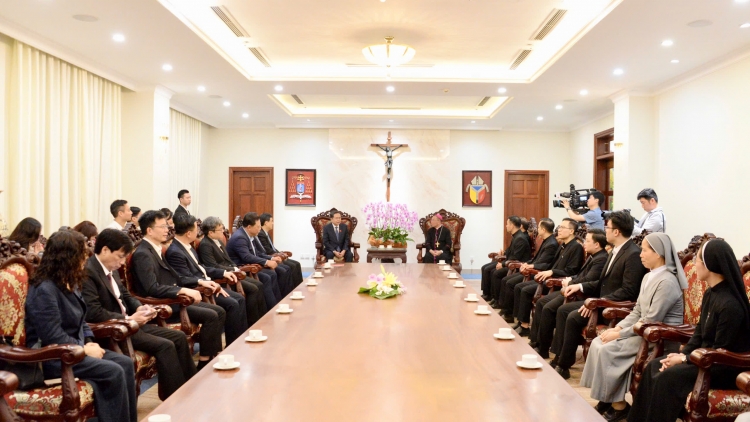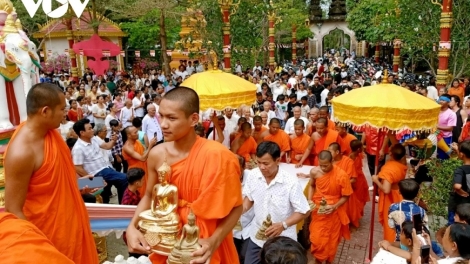




Vietnam is a multi-religion country where over 95% of the population follows some religions. In both urban and rural areas, places of worship are open to followers for daily religious practice and festivals. Followers are free to openly express their religious beliefs.
Freedom of belief and religion practice
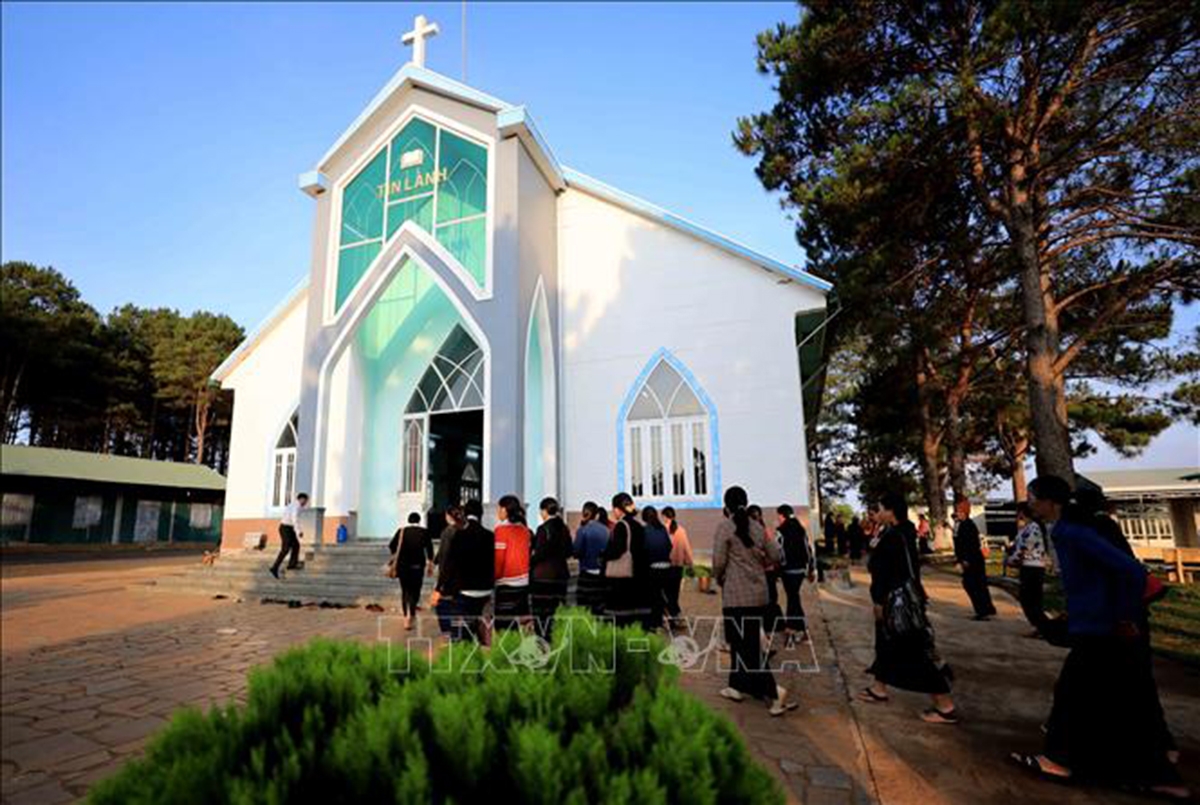
Every Sunday morning, Plei Mo Nu Protestant Church in An Phu ward, Pleiku city, Gia Lai province, is filled with the sound of prayers and hymns. Believers travel from surrounding areas to attend the service. Many women carry young children.
Puih Blik, Pastor of the Plei Mo Nu congregation, said: “The old church was built in the village out of corrugated iron sheets. It was very hot, making religious activities uncomfortable. Now we’re delighted to have a spacious new church. Here we hold Sunday worship services, Wednesday morning prayer meetings, Friday prayer sessions for specific groups. And on Tuesdays and Thursdays, people gather here to practice hymns.”
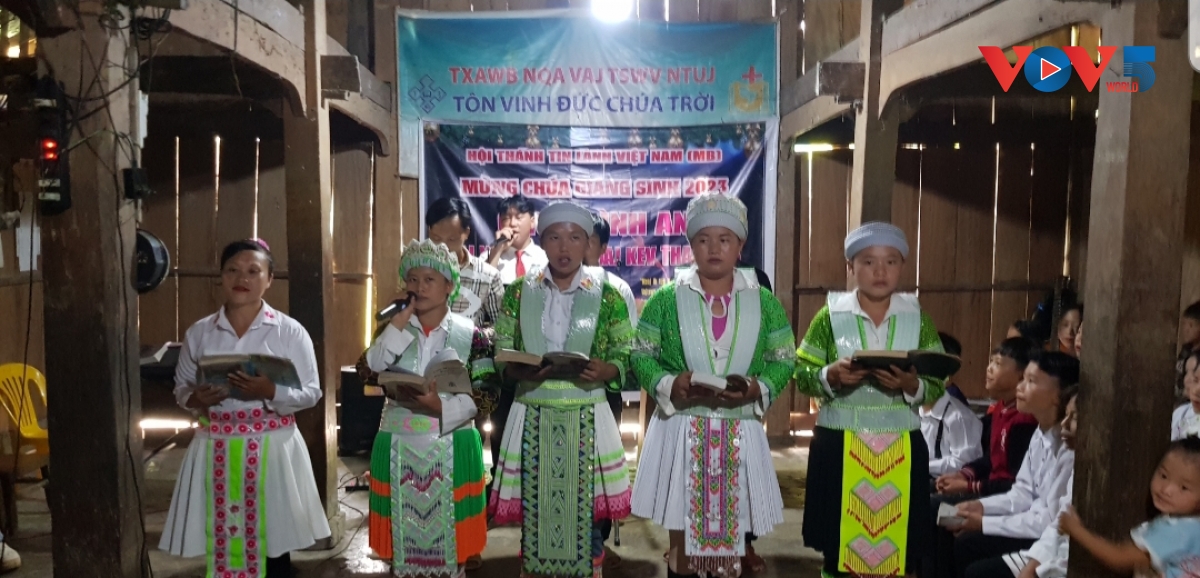
In Pac Ra hamlet, Ly Bon commune, Cao Bang province, people gather at local religious practicing places on Thursday mornings and Sunday afternoons to read the Bible and prayers and practice hymns. Religious fellowship brings positive changes to people's lives and connects people from neighbouring hamlets.
Vang A Do of Ly Bon commune said: “We gather for practicing religions on Thursdays and Sundays. These activities have made me happier and changed my life a great deal. We encourage one another not to drink alcohol or smoke. We share positive values so that everyone is motivated to do good deeds. I can express my thoughts freely and openly.”
The authorities support the organization religious festivals and celebrations – for Buddhists, Buddha's Birthday and UN Day of Vesak; for Catholics and Protestants, Christmas and Easter; for Cao Dai followers, the Great Festival of the Supreme Being and the Thuong Nguon Festival; for the Muslim community, Ramadan; for Hoa Hao Buddhists, Buddha's Birthday and ceremonies of the Vietnam Pure Land Buddhist Home-Practice Association.
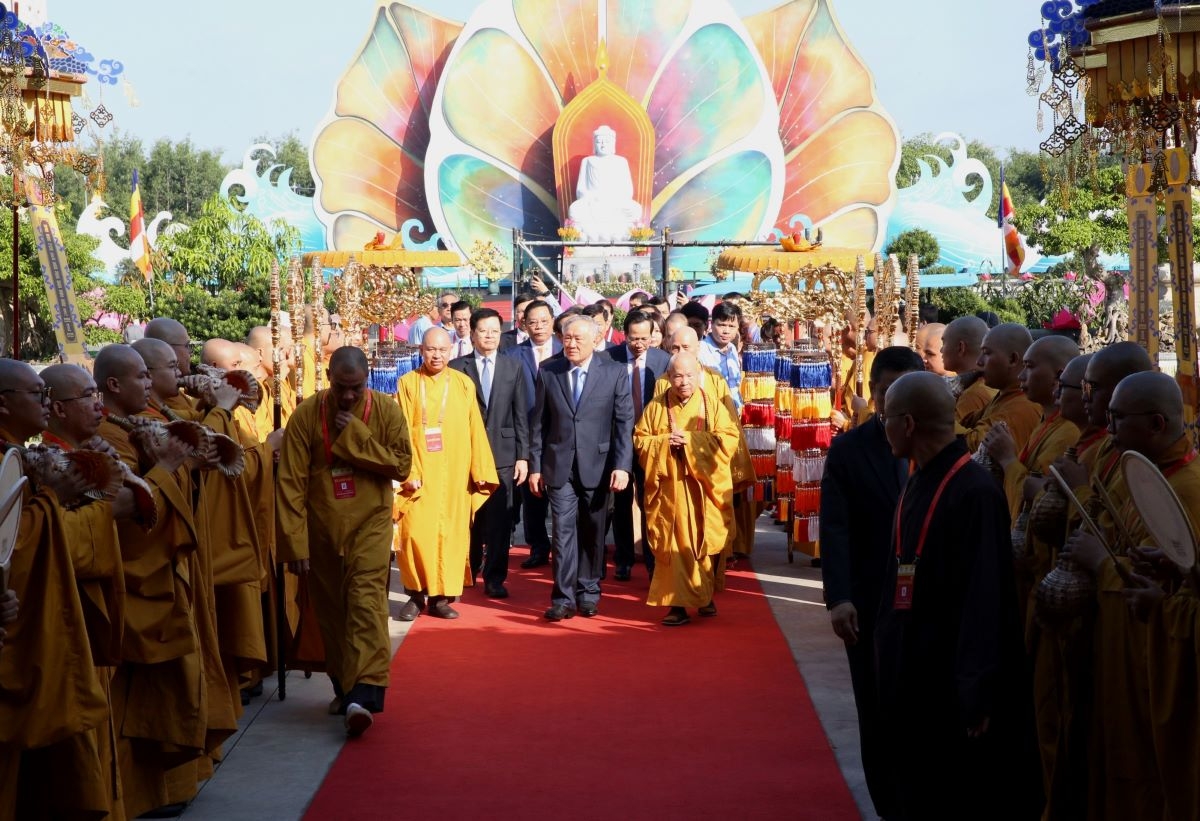
The freedom to practice religion makes Vietnam a safe and reputable venue for major international religious events. The United Nations has chosen Vietnam to host the UN Day of Vesak four times – in 2008, 2014, 2019 and 2025.
Venerable Khemachara Bhikkhu, Deputy Secretary-General of the International Buddhist Confederation, attended Vesak 2025. “This is one of the very important and beautiful programs. All over the world, people come and participate.”
The openness and humanitarian nature of Vietnam's religious policy was reflected in its support for individuals who have strayed into organizations masquerading as religious groups. The authorities and the communities extend a helping hand and assist those who have followed cults to return to pure religious practices.
Kpa Pih of Chu Se commune was one of those people. “I used to follow Dega Protestantism until I realised that it was wrongdoing. When I returned, commune officials encouraged me and helped me overcome my error.”
Religions are openly and stably present
A 2025 report marking the 70th anniversary of Vietnam's state management of religious affairs said religious life has developed in both scale and depth. Before 1990, Vietnam officially recognised three religious organisations. Today, the State has recognised and granted registration certificates to 43 organisations representing 16 religions, with around 27.7 million followers (approximately 27% of the population), 61,000 dignitaries, 145,000 religious officials, and 30,000 places of worship.
The open and lawful presence of religions results in thousands of religious festivals each year, which attract large numbers of followers and non-followers. Regular religious activities, favourable conditions for religious organisations to operate in, and the successful organisation of international religious events are clear evidence that Vietnam's religious environment is developing in a positive direction.
A revised Law on Belief and Religion, which will take effect on January 1, 2027, will further safeguard people's right to freedom of belief and religion and create more favourable conditions for religious activities to take place in.
Like any aspect of society, religious life is not without problems, including isolated attempts to exploit religion for personal gain or undermine national unity. It’s important to distinguish genuine religious practice from unlawful acts committed under the guise of religion. Vietnam's handling of such violations is not to restrict freedom of religion, but to protect the lawful rights and interests of the religious community.
Religious freedom in Vietnam is reflected in the daily lives of 27.7 million followers. A society with religious harmony, openness, and continuous development clearly demonstrates that false claims about lack of religious freedom in Vietnam are baseless allegations made in bad faith and aimed at undermining national unity and disrupting the development of religion in Vietnam.