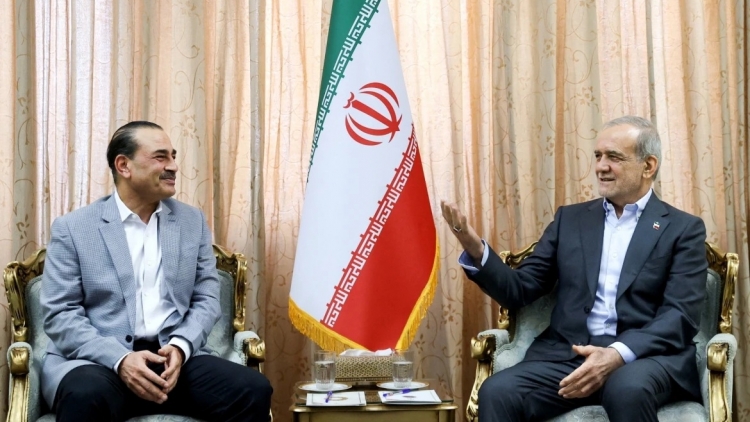




Intermediaries have kept open some diplomatic channels, and a framework for negotiations has gradually taken shape, but a significant gap remains between the US and Iran on some core issues.
Big gap of trust
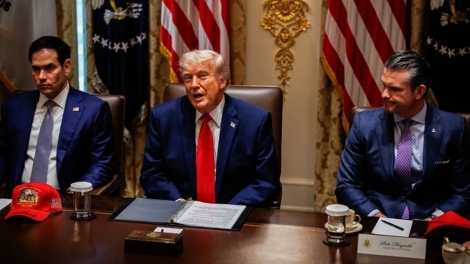
US President Donald Trump posted on Truth Social on Monday: "Iran really wants to make a deal, and it will be a good one for the U.S.A. and those that are with us." He complained, however, that all the political commentary surrounding the conflict is making it harder for him to negotiate with Iran. “It is much tougher for me to properly do my job and negotiate, when political hacks keep negatively 'chirping,' over and over again.”
Meanwhile, Iran is focusing on another issue: trust. After years of tensions, especially after Trump withdrew the US from the nuclear agreement in 2018, Iranian leaders say they no longer trust verbal commitments, but demand concrete, verifiable guarantees.
Iranian Parliament Speaker Mohammad Baqer Qalibaf said: “The soldiers on the diplomatic front have absolutely no trust in the enemy’s words and promises. Our only criteria is to achieve tangible results before we fulfill our commitments in return. Until we are certain that the interests of the Iranian people have been guaranteed, we will not ratify any agreement. The guarantee behind this strategy is our own lives, which we hold in our hands, ready to sacrifice for the people of Iran.”
This has been Tehran’s consistent stance in recent contacts. Iran doesn’t reject dialogue, but it wants to see verifiable results before making any reciprocal commitment. There is still a gap both in the terms of an agreement and in the implementation of commitments. This has affected Tehran’s approach throughout the negotiation process.
Strategic interests difficult to reconcile
The US’s main focus is Iran’s nuclear program, which it considers a “red line” that cannot be crossed. Washington demands that Tehran give up its highly enriched uranium stockpile through a mechanism to be agreed upon by both sides. Iran, however, insists on its right to develop a non-military nuclear program and will not accept any long-term binding requirement.
Iranian Foreign Ministry spokesperson Esmaeil Baghaei said: “A general agreement has not yet been finalized. Regarding the points mentioned, including the nuclear issue, I would like to emphasize once again that, at this stage, we are focused on ending the war. We have no further announcement regarding the nuclear issue now.”
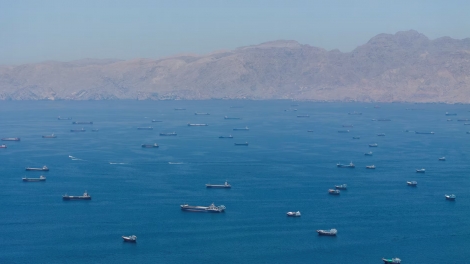
Another major disagreement is over the future of the Strait of Hormuz, the strategic maritime route for about 20% of global oil supplies. One obstacle is differing interpretations of the phrase “opening Hormuz.” The US wants to fully restore international maritime activities and will not accept any form of restriction on vessel passage. Iran insists on asserting its management rights as a coastal state.
Regional security has impacted the negotiations. Tehran has made it clear that the dialogue must be linked to developments in Gaza, Lebanon, and other of Iran’s regional allies. On Monday, Iran said it had suspended indirect exchanges and text-sharing with the US through mediators in protest over continued Israeli attacks in southern Lebanon.
Other unresolved matters include the release of frozen overseas assets, the easing of economic sanctions, and legal guarantees for any agreement that may be signed. These conflicting security, economic, and geopolitical interests will make it nearly impossible for the US and Iran to reach a consensus, unless and until one or both of them moves or erases its “red lines”.