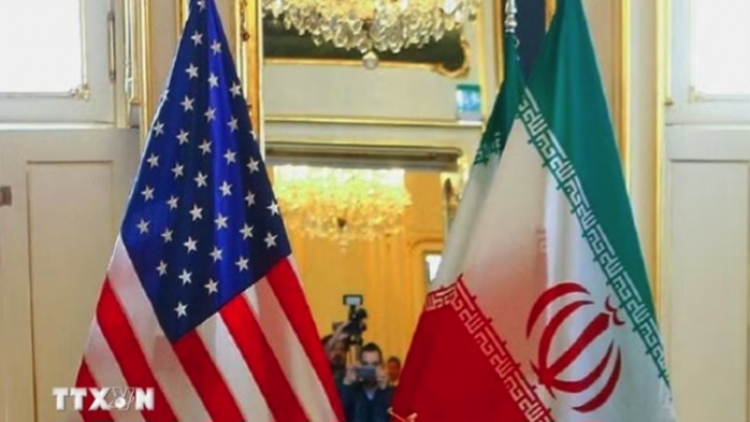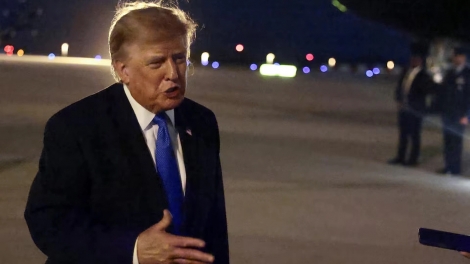




On August 5, US Treasury Secretary Scott Bessent said an agreement to reopen the Strait of Hormuz could be reached “within one or two days.” US President Donald Trump had said earlier that the conflict was nearing an end. But, as with many previous statements by US officials, the reality on the ground suggests that the deadlock will continue.
Contradictory positions
On August 8, just days after those statements, Iran’s Supreme National Security Council set out its conditions for reopening the Strait of Hormuz. Tehran called on Washington to end the war completely, withdraw US forces from the region, and compensate Iran for wartime damage.
Iran demands the US to permanently end military actions against Iran and its regional allies (including Hezbollah, Hamas, and the Houthis), halt future threats, lift the naval blockade on Iranian ports, and withdraw military forces from the area. Tehran further called for the lifting of all sanctions and the unconditional release of Iranian assets that have been frozen.
In a statement carried by Iranian state media, Secretary of Iran’s Supreme National Security Council Mohammad Bagher Zolghadr said Tehran will not reopen the Strait of Hormuz until the US “changes its behavior.”
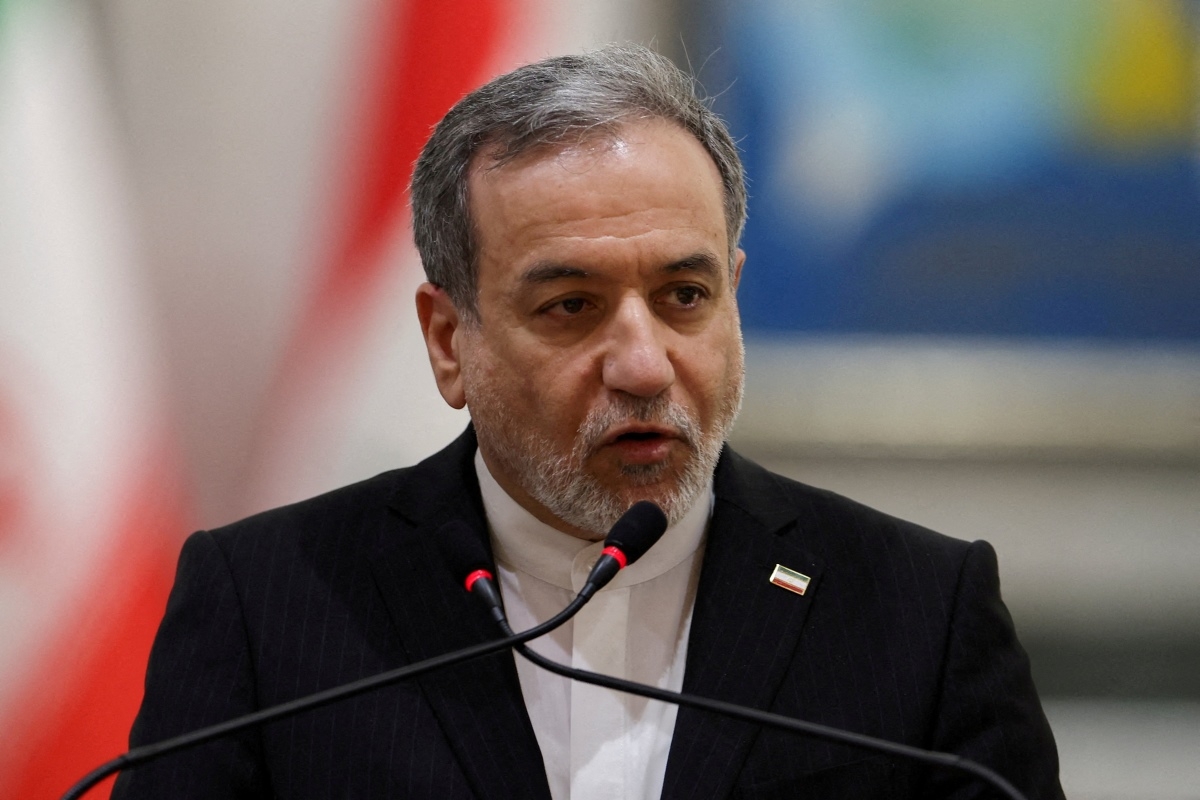
Iran has rejected President Trump’s claim that the two sides are halfway through negotiations. Foreign Minister Abbas Araqchi said: “Negotiations have their own definition. They always focus on a specific issue with the aim of achieving a result. At present, we are not negotiating with the US. It is true that messages are being exchanged through intermediaries, but this is not called negotiations. It is simply an exchange of messages. The intermediaries are still working to recreate the conditions for negotiations. In our view, as long as violations of the memorandum of understanding continue and the US does not compensate for those violations, there will be no possibility of resuming negotiations.”
According to analysts, after escalating its campaign by declaring the ceasefire agreement over and intensifying attacks on Iranian targets in mid-July, the US failed to force Tehran to back down. Developments on the ground now appear to have left Washington facing a stalemate and a loss of the initiative to Iran.
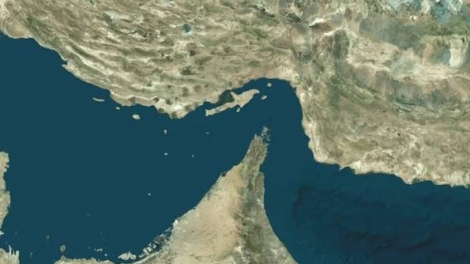
This is most evident in Iran’s continued tight control of the Strait of Hormuz, its warnings to vessels attempting to pass without authorization, and its efforts with Oman to establish a new mechanism for managing the strategic waterway without US involvement.
The Iranian parliament’s National Security and Foreign Policy Committee has approved the broad outlines of a bill on managing the Strait of Hormuz and the Persian Gulf. The proposed legislation would authorize the government, in coordination with the armed forces, to ensure maritime security and safety and protect the environment in the strategic area.
How long can the stalemate last?
The current deadlock raises the question of how long the US can maintain its “maximum pressure” strategy. A recent report by the Washington-based Center for Strategic and International Studies (CSIS) said the US combination of a blockade, maximum pressure, and limited air strikes, while maintaining indirect negotiations with Iran through Oman and Pakistan, amounts to bargaining through escalation.
The goal is to pressure Iran into accepting stricter limits on its nuclear and missile programs. But the line between “coercive bargaining” and a “full-scale war” is thin. Maintaining the strategy also presents the US with major challenges in terms of military asymmetry and cost-effectiveness.
The US and its allies are using expensive interceptor missiles, including THAAD, SM-3 and Aegis systems, against relatively low-cost Iranian targets. This is depleting US ammunition stocks and could become a major problem if the conflict prolongs.
A CSIS report published on August 9 citing Fiscal Year 2027 documents from the US Defense Department, confirmed that the conflict with Iran has severely drained US air-defense interceptor stockpiles. Fewer than 1,000 Patriot missiles and fewer than 250 THAAD interceptors remain.
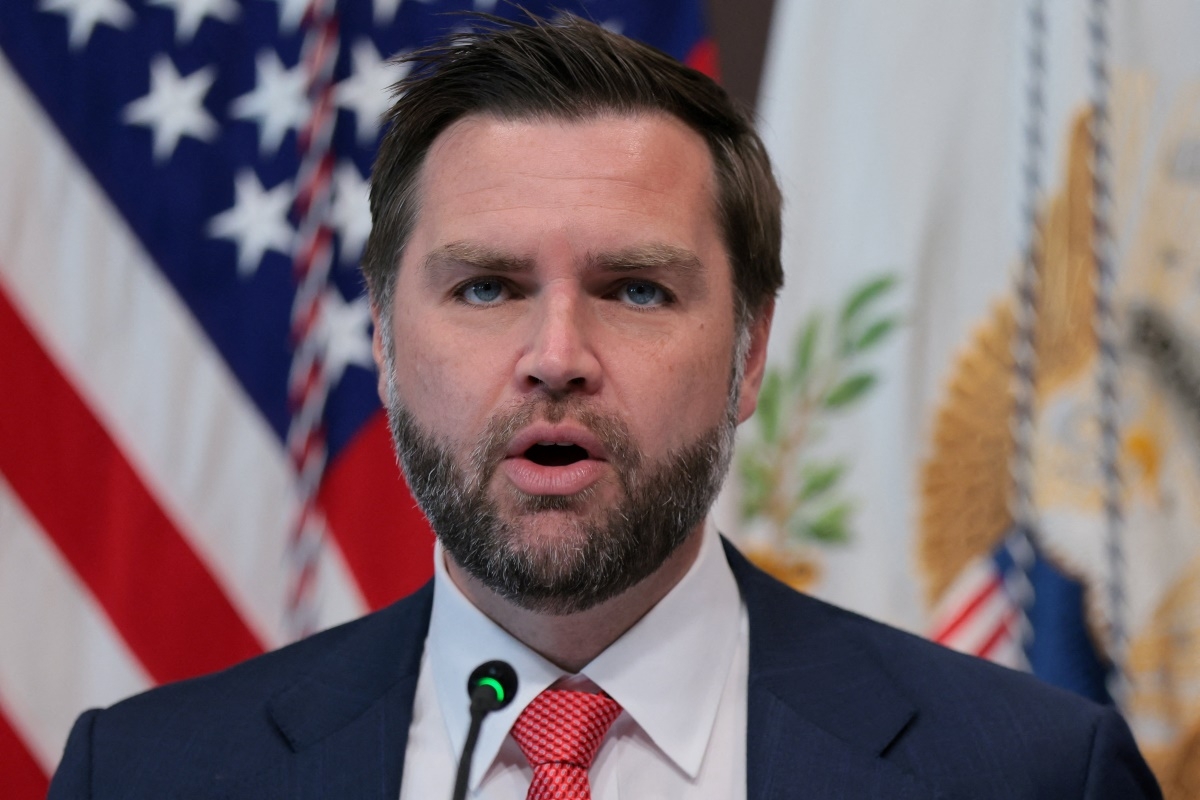
The situation has prompted the US administration to seek an additional 95 billion USD in funding to replenish its ammunition stocks. And sustained military pressure might not be enough to change Tehran’s position. US Vice President J.D. Vance said: “It seems like we're making progress, and then it seems like we're not. Well, the reality is that, number one, the Iranians are extraordinarily difficult people. Number two, they have a fractured system, so there are people within their system who want the war to be over. There are also people within their system who want the war to continue. Our job is to navigate through that and get the best outcome. I do think that where we will ultimately land, it's going to be messy and it's going to take some time to get there.”
Some experts see a prolonged stalemate, and possibly a partial “freezing” of the conflict, as the most likely scenario. Both Washington and Tehran appear reluctant to make major concessions on the core issue of control of the Strait of Hormuz.
The US midterm elections in November appear to be no longer President Trump’s main concern. In recent remarks to American voters, Trump acknowledged that the US may have to accept high oil prices for some time.
Lowering oil prices and easing the cost-of-living pressure on American voters was previously seen as a major factor in Washington’s calculations on the conflict with Iran.