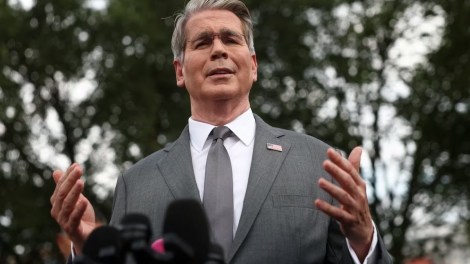




US Treasury Secretary Scott Bessent on Monday announced the new economic sanctions just five days after US President Donald Trump threatened an unprecedented economic offensive which he called “an economic D-Day” to completely isolate Iran from the global economy.
A new front
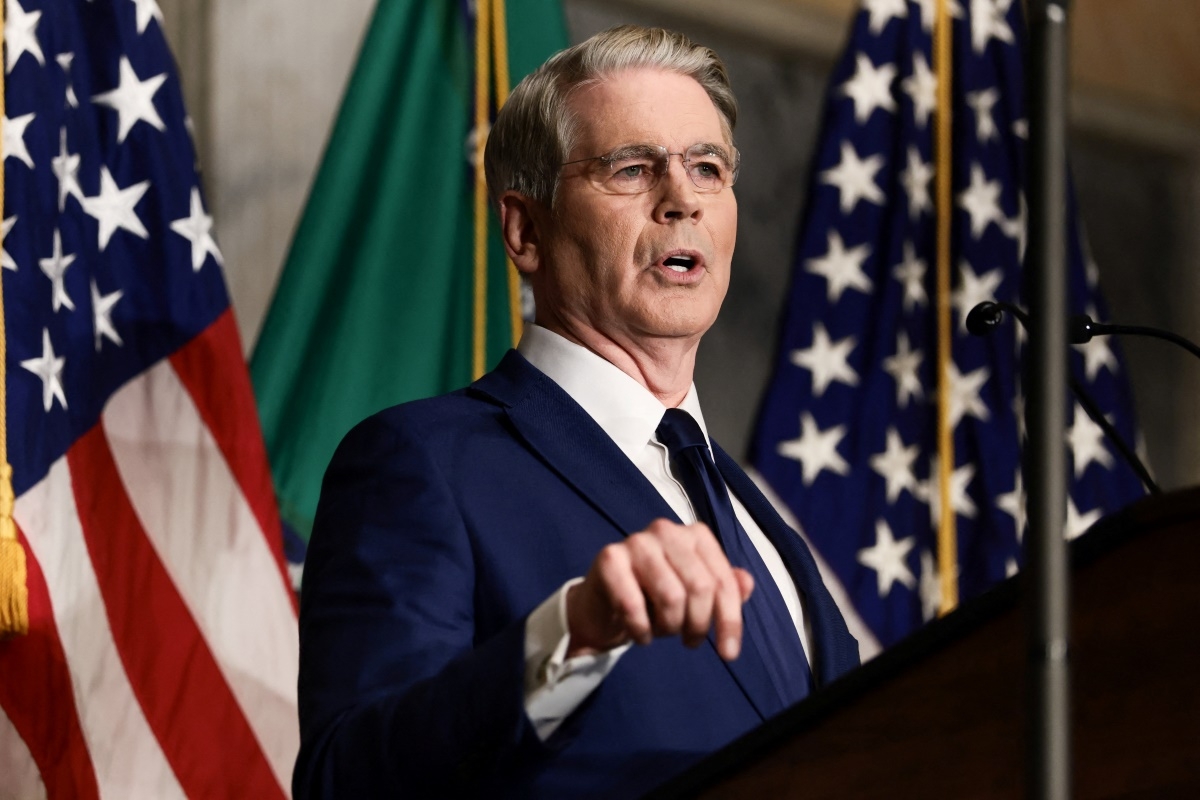
Bessent told reporters that the US is expanding secondary sanctions exposure for those who continue doing business with the Iranian regime, focusing on five sectors: digital assets, technology, gold, aviation, and maritime transport.
The US has sanctioned nearly 60 entities, individuals, and vessels in multiple jurisdictions suspected of helping Iran in weapons procurement, cyber operations, and oil‑revenue generation networks. The actions target a network of brokers, companies, and shadow fleet vessels operating in the United Arab Emirates, Hong Kong, China, Singapore, and Europe.
Scott Bessent issued a warning to all countries that maintain economic ties with Iran. “Every country has a defined timeline to shut down activities we have identified. If they do not take actions, we will do so unilaterally through Treasury authorities. And let me be clear: Any entity that facilitates money laundering on behalf of Iran will be removed from the US dollar system.”
In response to Washington’s new all-out economic war, the Iranian authorities have repeatedly said they’re prepared for every possible scenario. Iran’s Minister of Economic Affairs and Finance Ali Madanizadeh said: "They have done everything they could to test the determination of the Iranian people and officials, but they have failed every time. It seems they wish to suffer yet another defeat. We’ve been waiting for these plans for a long time, and the government is ready and has a two-year plan to manage these events."
Iranian officials say the new US sanctions will not alter Iran’s determination to protect its independence, sovereignty, and national interests. They warn that Iran will retaliate against the economic interests of the US and its allies. Iranian President Masoud Pezeshkian said last Saturday that his country is engaged in an all-out war on the economic, military, and security fronts.
Other countries’ responses
The US’s shift from military to economic measures against Iran with secondary sanctions could significantly affect banks and companies in countries doing business with Iran. Bessent said countries that don’t go along with the US sanctions will “share the isolation” with Iran. He didn’t identify specific countries or specify when they must apply sanctions, but he said President Trump had held numerous phone calls with state leaders to ensure that they sever their economic ties with Iran.
“We find that the best way to engage with countries is through quiet diplomacy. We are level-setting with every country to tell them our expectations. We know who they are, they know who they are. When the hammer of US Treasury actions falls upon them, they will have no one to blame but themselves," Bessent said.
Observers say that, in addition to Iran’s ability to withstand the pressure, the success or failure of the new sanctions will depend on a few key countries, particularly China, the world’s second-largest economy and a country with close economic ties with Iran. China reportedly buys as much as 80% of Iran’s oil exports.
Chinese Foreign Ministry spokesperson Lin Jian said last Friday, "China opposes unilateral sanctions that are illegal and groundless in international law and have not been authorised by the UN Security Council. We call on all parties to act responsibly and resolve the matter through political and diplomatic means."
Andrew Miller, a senior fellow at the Center for American Progress, said the new economic sanctions against Iran and its trading partners show that Washington's military campaign has not achieved its goals. The war has brought the US no closer to eliminating Iran’s nuclear program or crippling the Iranian regime. It’s highly unlikely sanctions will produce a quick settlement favorable to the United States, Miller said.