



(Photo: VNA)
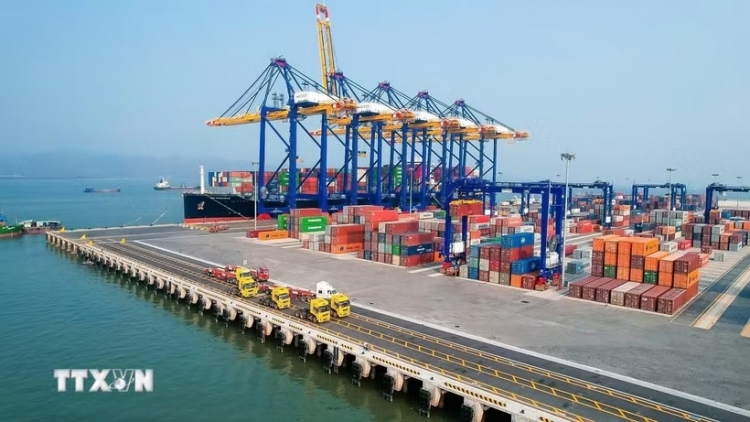
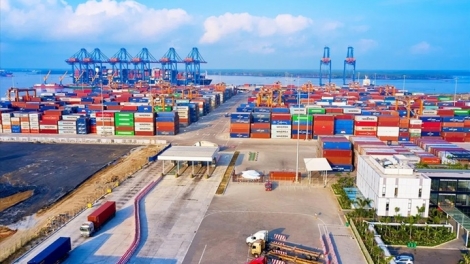
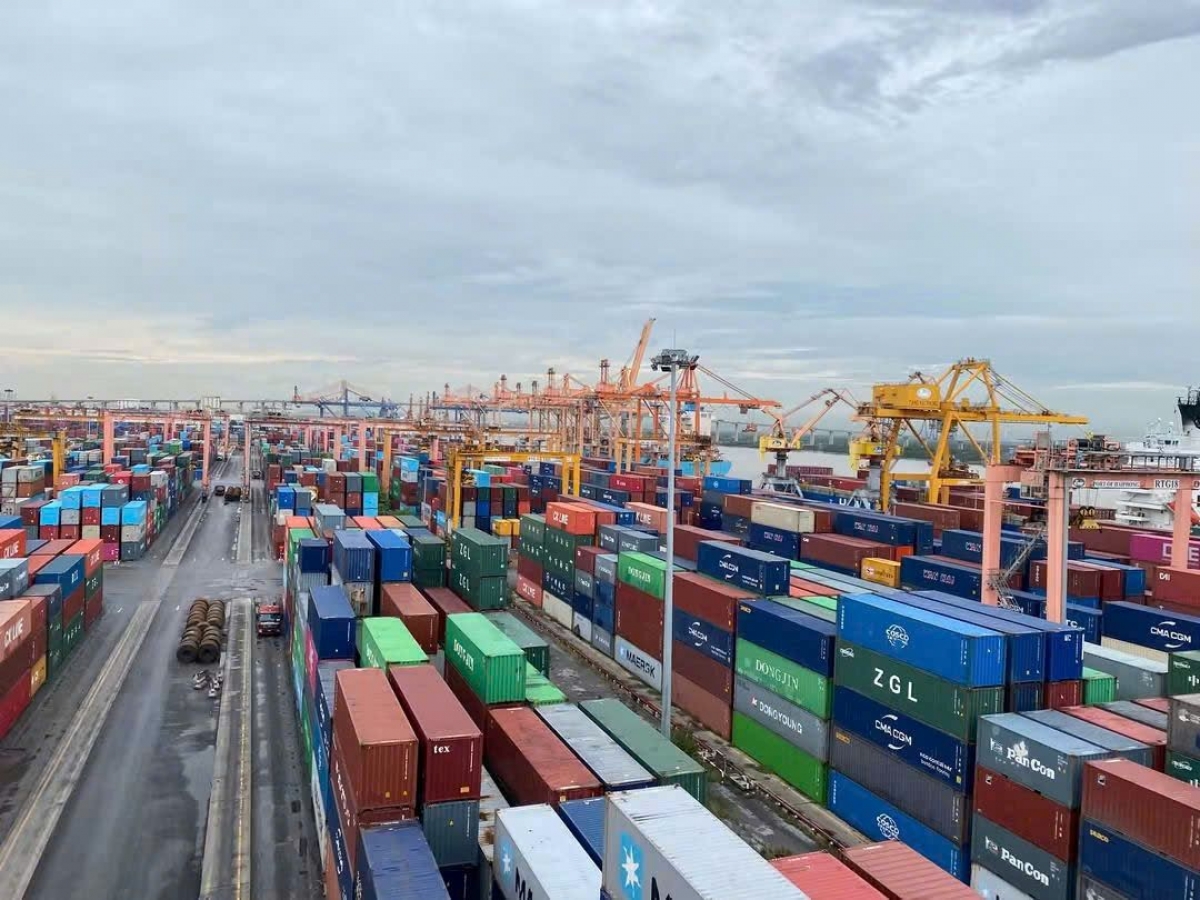
According to the Ministry of Industry and Trade, this is the first time Vietnam has crossed the 1 trillion USD threshold, with two months still remaining in the year.
Expanding trade, creating fresh growth momentum
Vietnam’s trade revenue jumped from 100 billion USD in 2007, when it joined the World Trade Organization, to 500 billion in 2019, 900 billion in 2025, and more than 1 trillion in 2026.The trade balance has also improved. Following two consecutive months of trade surpluses, the cumulative trade deficit has narrowed from more than 20 billion USD to around 14 billion USD. E

Economist Tran Hoang Ngan said: “Trade surpluses in September and October have significantly reduced our trade deficit. We need to continue improving our trade balance. Vietnam’s total import-export turnover has reached the 1 trillion USD mark, placing it among the world’s 20 largest trading economies. This shows Vietnam’s economic potential, standing, reputation, and role in global trade.”
As Vietnam pursues ambitious economic growth targets, trade is an important growth driver. Expanding exports helps businesses access new markets, boost production, create jobs, and attract investment. Imports of machinery, equipment, technology, and raw materials provide essential inputs for production, enabling businesses to strengthen their capacity and meet market demand.

Increasing added value and competitiveness
But a large trade turnover doesn’t necessarily translate into high domestic value added. Foreign-invested enterprises still account for a substantial share of Vietnam’s import-export activities. This makes strengthening domestic businesses and enabling them to participate more in global value chains a top priority.
Nguyen Huu Huan, Vice Chairman of the Executive Authority of the Vietnam International Financial Center in Ho Chi Minh City, said: “High export turnover does not fully reflect the extent to which Vietnamese businesses control technology or the value they create. As long as we continue to import large volumes of raw materials and components while focusing mainly on assembly, our capacity to generate domestic value remains limited. Domestic enterprises therefore need to expand their presence in research, the design of core components, intellectual property ownership, and efficient manufacturing.”
Increasing domestic value added will require a greater effort by businesses to master technology and develop supporting industries, and coordinated policy measures from the Government.
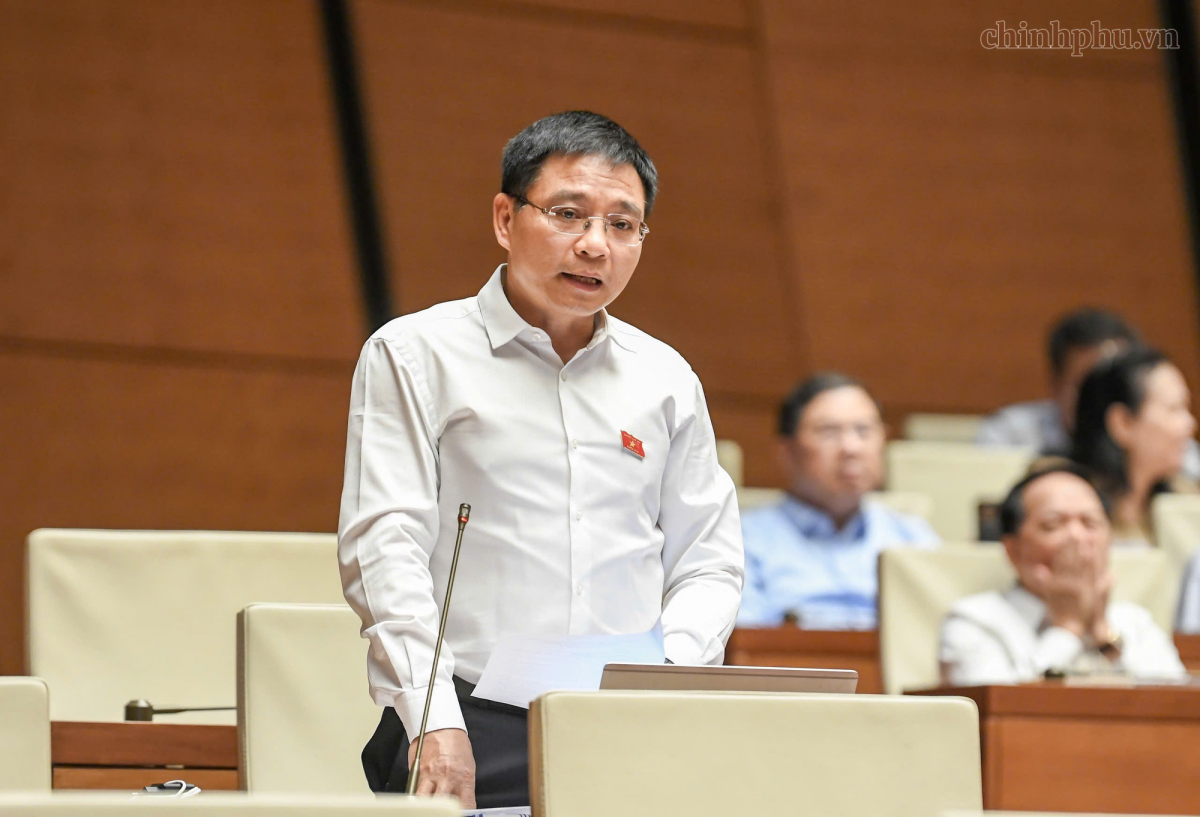
At a National Assembly discussion last week, Deputy Prime Minister Nguyen Van Thang said: “The Government is closely monitoring economic scenarios to promptly address obstacles facing businesses. We are facilitating conditions for eligible projects to begin operations as soon as possible, and supporting enterprises in maintaining and diversifying markets, securing more orders, and increasing added value.”
As making effective use of free trade agreements, diversifying export markets, and meeting increasingly stringent requirements on green production, traceability, environmental protection, and labor standards is becoming more urgent, businesses must compete not only on price, but also on product quality, technology, and reputation.
Deputy Minister of Industry and Trade Nguyen Sinh Nhat Tan said: “We will strengthen market analysis and forecasting, update market information, and proactively advise the Government on flexible management measures. We’ll advise businesses to adjust their production and market strategies accordingly. Improving early-warning capabilities and ensuring timely policy responses will be key to sustaining growth momentum.”
Surpassing 1 trillion USD in trade turnover is an important milestone in Vietnam’s international economic integration. The challenge now is to translate this growing trade volume into greater production capacity, higher domestic value added, and greater economic competitiveness.
Moving from expanding trade to mastering technology, and from participating in global value chains to securing higher-value positions within them, will be essential to fully leveraging trade as a driver of rapid and sustainable growth.