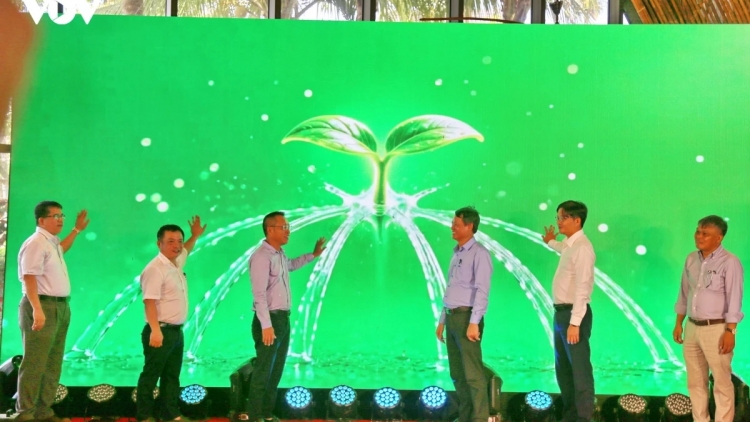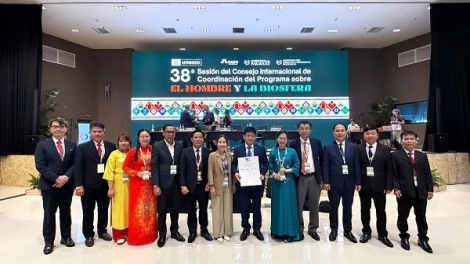




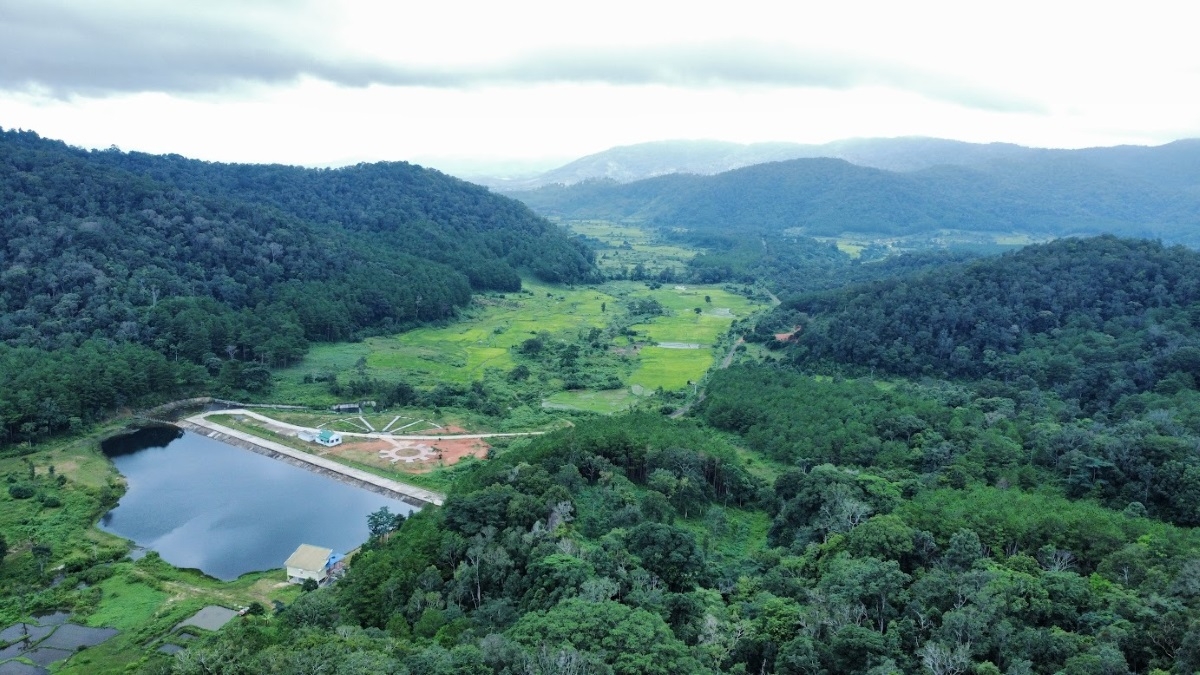
Kon Ka Kinh National Park is located about 50 kilometers northeast of Pleiku city. Just a few kilometers off National Highway 19, the scenery is otherworldly – centuries-old trees, lush vegetation, babbling brooks, and birdsong. The fresh air sweeps away all stress of everyday life. Venturing into the forest, visitors may encounter spotted deer grazing peacefully or gibbons swinging through the treetops.
Pham Anh Tuan, Chairman of the Gia Lai provincial People’s Committee, said: “Kon Ka Kinh National Park is a natural treasure bestowed upon Gia Lai province, Vietnam, and the world. We are conducting surveys to find solutions that both preserve the biosphere reserve and promote its tourism values.”
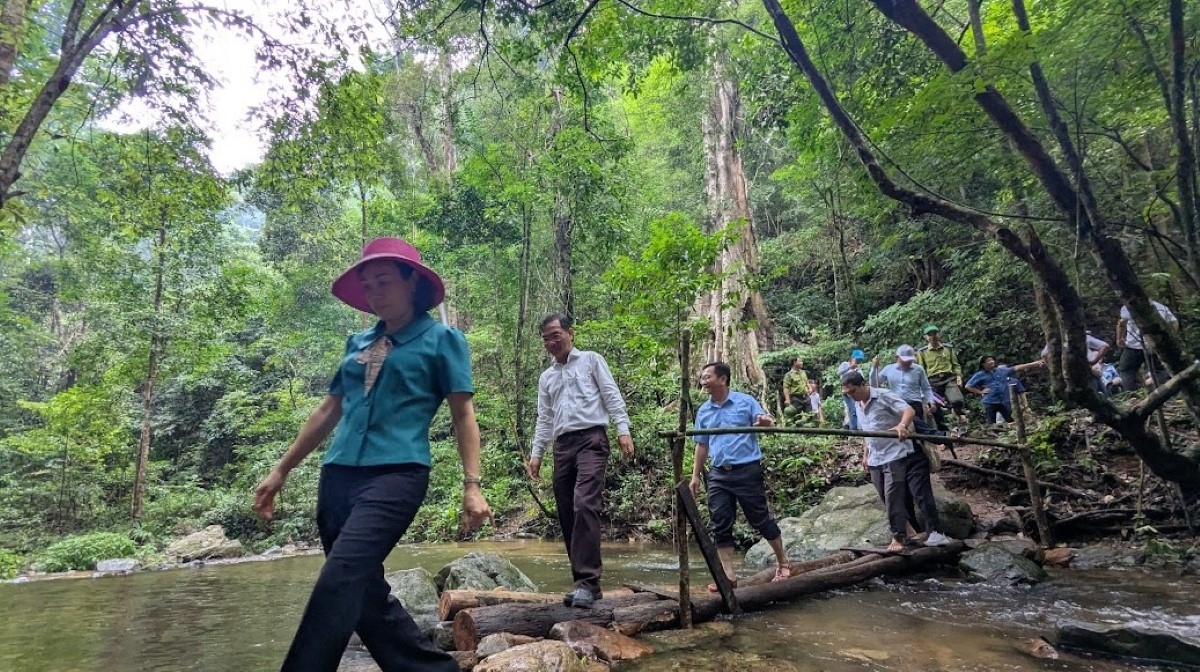
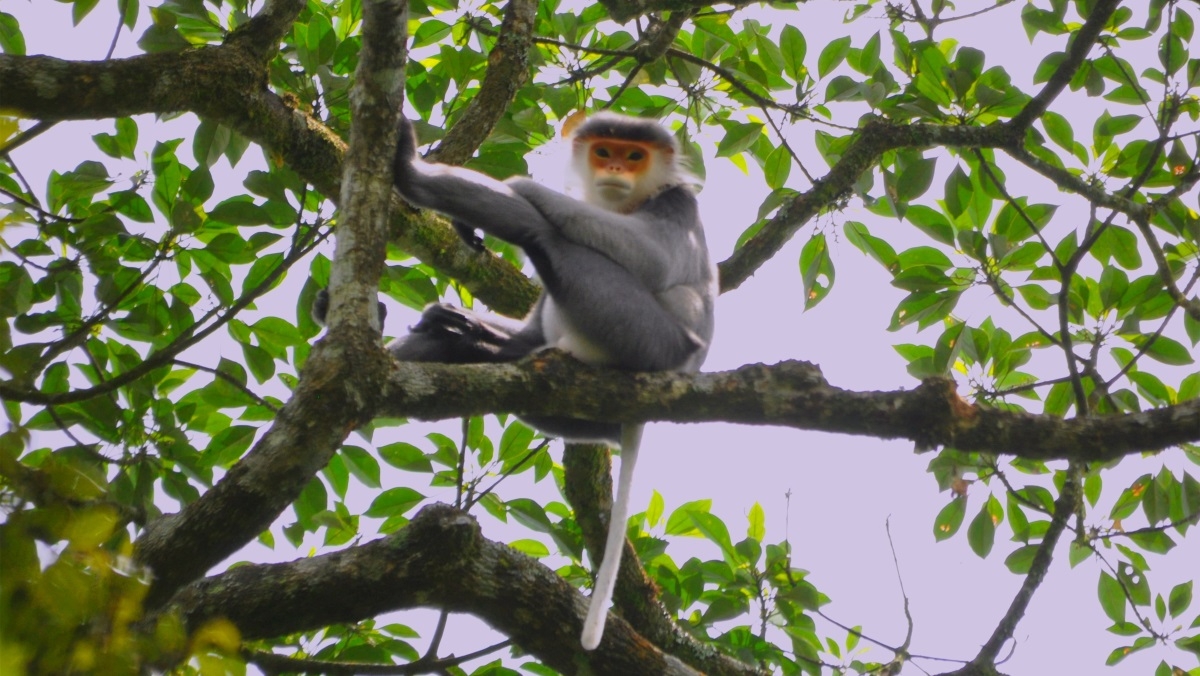
The 42,000-hectare Kon Ka Kinh forest is home to 1,700 plant species and 900 animal species, including rare species such as the yellow-cheeked gibbon, the grey-shanked douc langur, five-needle pine trees, and gold-thread orchids. It’s also the source of major rivers of the Central Highlands, including the Ba, Đăk Pne, and Ayun rivers, playing a vital role in climate regulation, water conservation, and ecological balance for a vast region.
The park’s buffer zone is home to the Ba Na ethnic community, known for its communal rong houses, gong heritage, brocade weaving, and mountain life festivals. According to Tran Viet Anh, Chairman of the Gia Lai Tourism Association, there will be interesting tours of the area: “We plan to develop special tours connecting coastal and forest destinations, such as a 4-day, 3-night itinerary in Quy Nhơn and Gia Lai. Visitors can experience coastal activities and the beauty of the great forests. Such a combination will refresh Gia Lai’s tourism offerings and attract both domestic and international visitors.”
Ngo Duc Thang, the Director of Kon Ka Kinh National Park, said the park should develop green, sustainable ecotourism, which will contribute to protecting and preserving valuable genetic resources of flora and fauna and capitalize on its unique strengths. With careful planning and management, Kon Ka Kinh has the potential to join the ranks of Vietnam’s most renowned national parks, including Cat Tien, Cuc Phuong, Ba Be, and Cat Ba.
“We’ll strengthen management and protection efforts to preserve the landscape and forest values. At the same time, we’ll work with travel companies to develop tourism products, services, and infrastructure; pilot educational and research-oriented tour routes; and promote the park to research institutes and educational institutions. We’ll seek investment in infrastructure to provide the best possible experience for visitors,” said Thang.
Pham Anh Tuan, Chairman of the Gia Lai provincial People’s Committee, elaborated on the tourism plan: “We’ll review all aspects of the project, from road planning and construction to the development of temporary visitor facilities. Then we’ll rezone areas within the park and develop environmentally friendly destinations that preserve the natural landscape and don’t affect the operation of the biosphere reserve. Visitor activities will be organized in accordance with the park’s regulations and safety requirements.”
A visit to Kon Ka Kinh offers travelers a chance to discover the rich cultural heritage of the Central Highlands ethnic communities. Blessed with a cool climate year-round, and tranquil natural surroundings, Kon Ka Kinh National Park is the right place for wildlife viewing and relaxation in nature.