



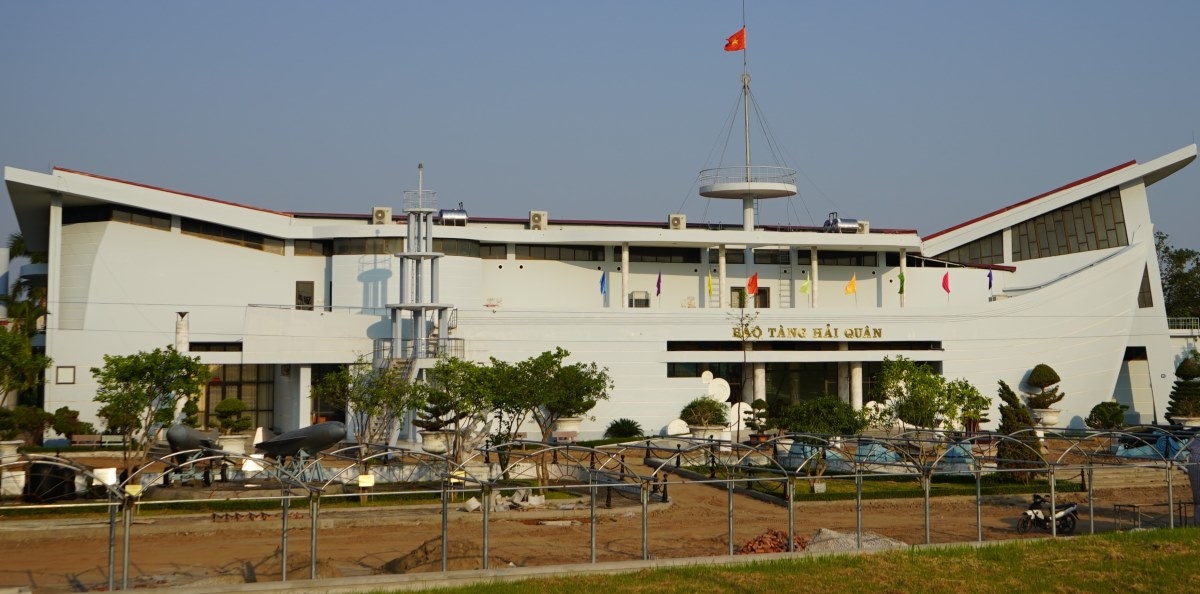
The Naval Museum has an indoor exhibition area of 1,800 square meters and an outdoor space of 3,000 square meters. Visitors’ first stop is the ceremonial hall, where there stands a statue of President Ho Chi Minh in a simple khaki outfit and naval cap.
Beyond the statue original artefacts, archival photographs, and ship models recall milestones in the formation and combat history of the Vietnam People’s Navy. A highlight is the “First Victory” in August 1964. The Navy’s remarkable achievements evoked by artefacts reveal to visitors the fighting spirit of Vietnam’s early naval forces.
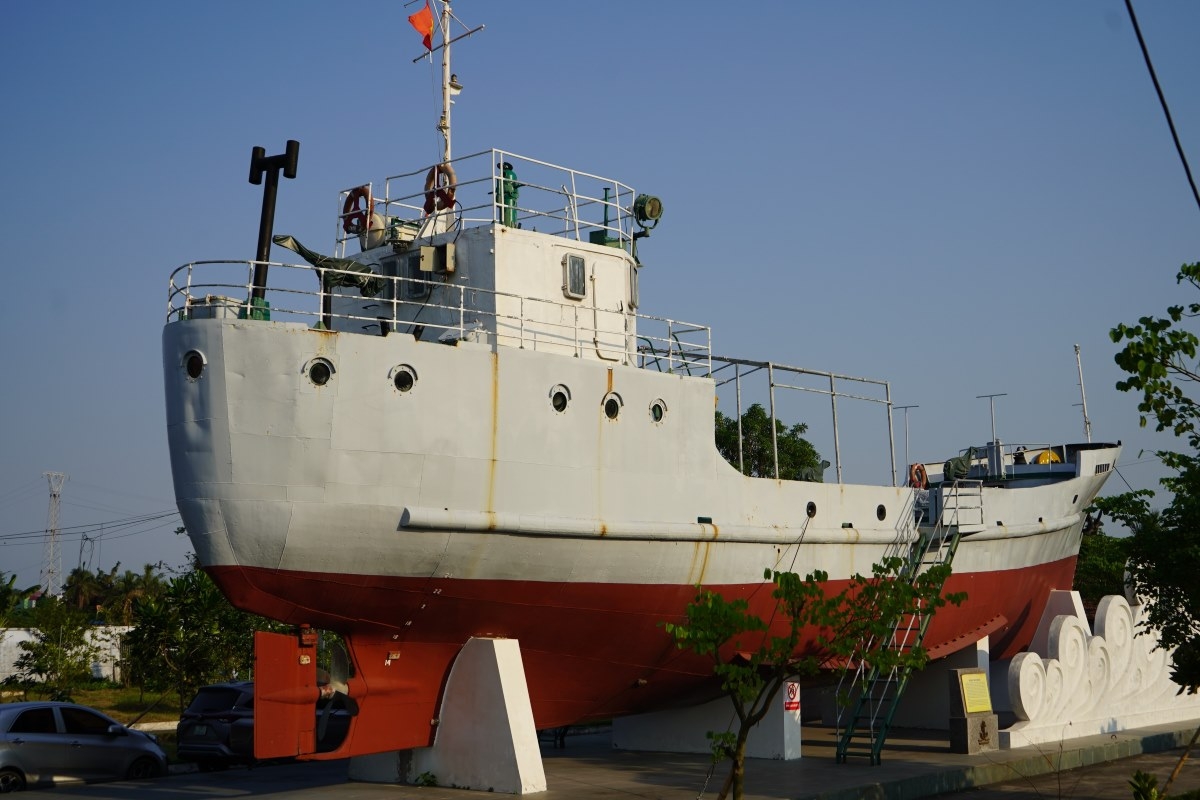
Lieutenant Colonel Lai Thi Hue, a long-time museum guide, said: “Whenever I guide visitors through the heroic history of the Vietnam People’s Navy, I feel deeply moved by the bravery, sacrifice, and resilience of the officers and soldiers. They spared no blood or life to stoutly protect the sacred maritime sovereignty and continental shelf of the Fatherland. Their sacrifices on the sea brought us the peace we enjoy today.”
One of the most moving sections of the museum – on the Ho Chi Minh Sea Route, a 20th century military legend – contains the belt artilleryman Dang Dinh Long used to tie himself to a gun mount to keep it steady before his death, and the rice bag of Heroic Martyr Nguyen Dinh Thi. Other artefacts illustrate the harsh combat conditions the naval soldiers endured.
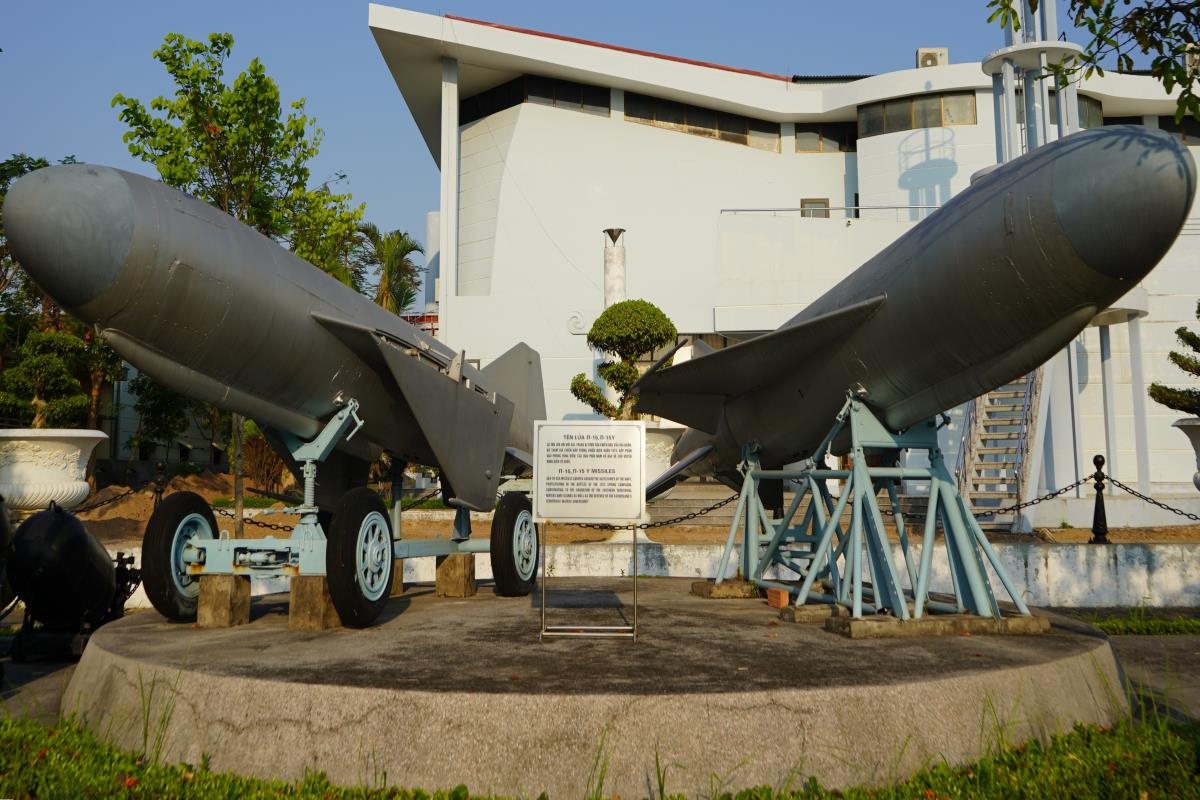
Lieutenant Colonel Le Hong Tien, Director of the Naval Museum, says the museum staff have spent years travelling to meet with witnesses, speak with veterans and families of martyrs, and collect photographs, documents, and artefacts, including mine-clearing tools, a broken pair of binoculars, and a letter from a daughter to her father stationed in Truong Sa archipelago. Behind each item lies a story of courage, comradeship, and love for the homeland and the sea.
Museum Director Tien said: “The museum preserves the most representative images of the force over more than 70 years. We regularly organize thematic exhibitions to help people, especially young people, appreciate the heroic tradition of the Vietnam People’s Navy.”
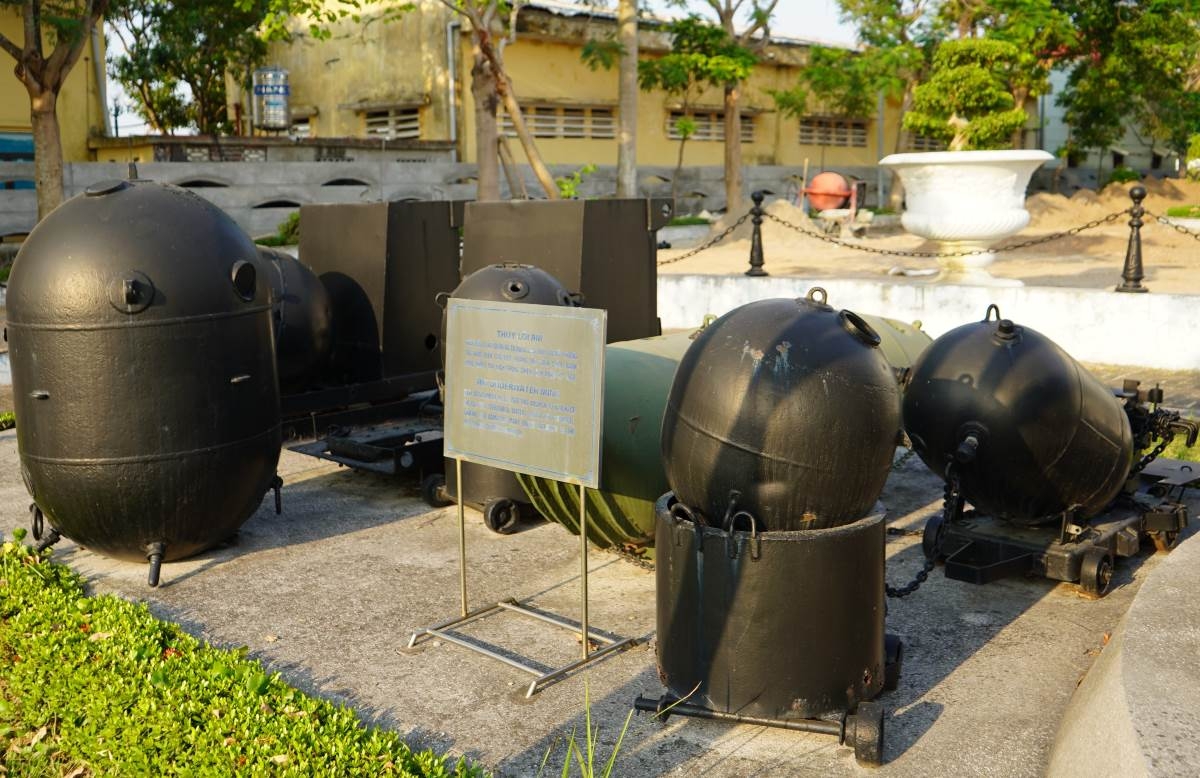
Many veterans come here and see items that are associated with them and their comrades. Lieutenant Colonel Nguyen Thu Phuong, another museum guide, recalled: “Once, a group of veterans from Brigade 126 of the Naval Commandos visited the exhibition and saw a piece of the sleeve their comrade Nguyễn Văn Tình used to bandage a fellow soldier’s wound. They were moved to tears. I couldn’t hold in my own emotions. These artefacts are the clearest testimony to the courage and sacrifice of naval officers and soldiers in defending maritime sovereignty.”
On the second floor, the exhibits focus on contemporary issues and the task of safeguarding maritime sovereignty. Visitors learn about the Hoang Sa (Paracel) Islands, Truong Sa (Spratly) Islands, and the DK1 rig system through documents like the Veritable Records of Dai Nam, the former name of Vietnam, and the Gazetteer of Imperial Vietnam. Displays featuring modern missile frigates and Kilo-class submarines demonstrate the strength of the Vietnam People’s Navy today.
A visitor told VOV, “I’ve learned a lot and developed a deeper love for my country. I’ll try to share this love with my students.”
“Visiting the Naval Museum has taught me something about our nation’s history. I really admire the naval soldiers,” said a pupil.
The Naval Museum preserves an important part of Vietnam’s history in a way that makes visitors think about their own responsibility for protecting the sacred national seas and islands.