



Reporter: Alice, welcome to Doctor at Home. Thank you for joining us today. Dieting has become increasingly popular in recent years. How would you classify the main types of diet approaches people are following today?
Alice Nguyen: Yes, you are absolutely right about the growing interest in dieting. I generally classify the most popular dietary approaches into four main categories based on their underlying mechanisms. The first category is macronutrient-based diets, which change the balance of carbohydrates, proteins and fats. The second category is fasting or time-restricted diets. Rather than changing what you eat, these diets focus on when you eat. The third category is calorie-deficit diets, which focus primarily on reducing energy intake and tracking calories to manage body weight. The last category, and personally one of my favorites, is whole-food diets, such as the Mediterranean diet or clean-eating approaches. These emphasize minimally processed foods and often reduce the number of highly processed products.
Reporter: How do these different diet approaches generally differ in their nutritional principles, and who is each type most suitable for?
Alice Nguyen: These diets differ mainly in how they influence energy balance, metabolism and long-term adherence. For example, high-protein or macronutrient-based diets prioritize muscle preservation, satiety, and metabolic rate. They are especially suitable for athletes, people doing strength training and those aiming to improve body composition. Time-restricted eating, such as intermittent fasting, works by limiting the eating window, which often naturally reduces calorie intake. It may suit busy people who prefer fewer meals and do not have digestive issues. Whole-food approaches, particularly the Mediterranean diet, emphasize micronutrient density, healthy fats and fiber.
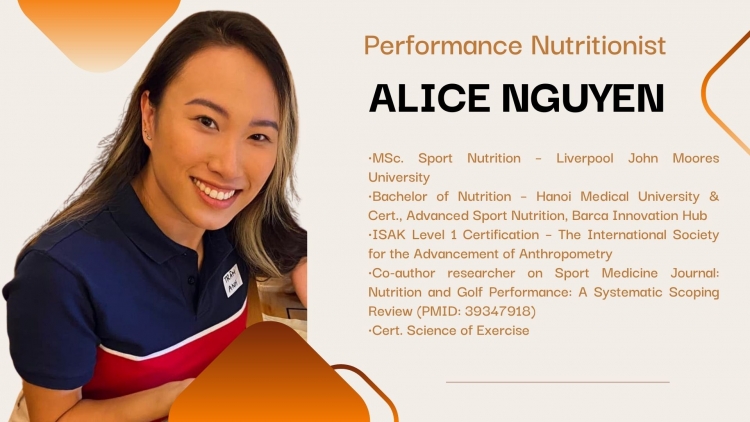
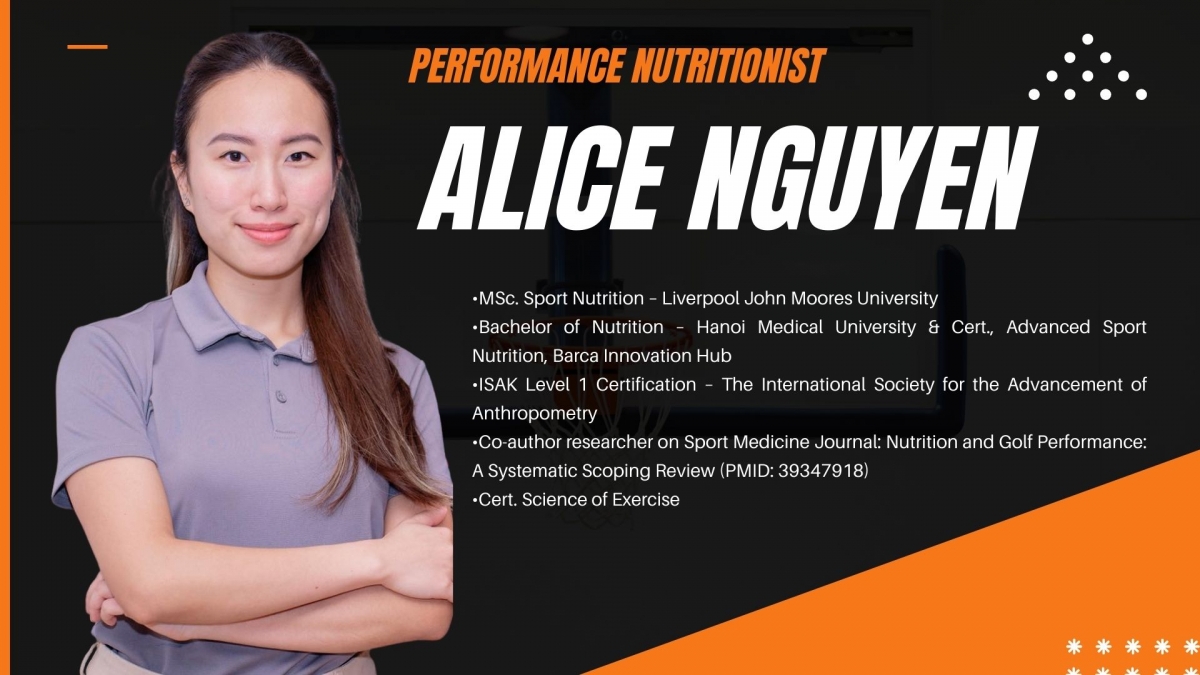
Alice Nguyen is a sports nutritionist at Evolve Clinic in Ho Chi Minh City. She holds a Master’s degree in Sport Nutrition from Liverpool John Moores University in the UK. Alice specializes in evidence-based sports nutrition, translating scientific research into practical nutrition strategies for athletes and active individuals. She has worked with professional athletes, golfers, youth academies and active individuals, helping them optimize performance, body composition and long-term health.
Reporter: Who should consider going on a diet, and are there groups of people who should avoid dieting altogether?
Alice Nguyen: People should first consider their personal goals and long-term health rather than focusing only on short-term results. For example, individuals trying to lose weight may benefit from structured dietary approaches. People with conditions such as diabetes or high blood pressure may benefit from Mediterranean-style diets.
However, I always recommend consulting a nutrition professional or doctor before making major dietary changes. There are also groups who should avoid restrictive diets altogether. Growing children, for example, require sufficient calories and nutrients to support growth and development. Pregnant women are another group who need adequate nutrition and should avoid restrictive dieting.
Reporter: Is dieting alone enough to achieve good health and weight management, or should it be combined with exercise, lifestyle changes and possibly dietary supplements?
Alice Nguyen: Diet should be combined with regular exercise, good sleep and stress management. Sleep and stress are equally important. Poor sleep can increase stress hormones such as cortisol, which may affect appetite, hormones, motivation and overall quality of life. Supplementation can also be useful in certain cases. I advocate a “food first, but not food only” approach. If a person already has a balanced diet, supplements such as vitamin D, omega-3 or sport-specific supplements may help optimize health and performance.

Reporter: What are some common misconceptions people make when trying to diet on their own?
Alice Nguyen: One common misconception is following diets that lack scientific evidence. For example, detox diets are very popular online and are often claimed to “cleanse” the liver or remove toxins. However, there is very little strong scientific evidence supporting these claims. Another mistake is copying diets promoted by influencers or social media without understanding the science behind them. Many eat too little, reduce portions excessively and fail to consume enough protein and micronutrients. While this may lead to short-term weight loss, it can also result in nutrient deficiencies and muscle loss.
Reporter: Are there any warning signs that a particular diet may be negatively affecting someone’s health?
Alice Nguyen: Yes, there are several signs to watch for. Persistent fatigue, low energy and difficulty concentrating may indicate inadequate nutrition. Hormonal changes can also occur. For women, this may include irregular menstrual cycles, while both men and women may experience lower sex drive or poor recovery after exercise. Other signs include poor skin condition, dehydration, bloating, constipation and digestive discomfort.
Reporter: What is your key advice for those who want to follow a healthy and sustainable diet?
Alice Nguyen: If your aim is long-term health, maintaining fitness and supporting daily activities, then a balanced diet is the best approach. This should include adequate carbohydrates, protein, healthy fats, fiber and hydration. Most importantly, focus on consistency rather than perfection. A healthy diet should not feel like punishment. It should be a supportive and energizing habit that helps you perform well and feel your best every day.
Reporter: Alice, thank you for sharing your valuable insights with us today. We hope our listeners now have a clearer understanding of how to choose a healthy and sustainable eating plan. And that's all for this edition of Doctor at Home. Thank you for listening. Until next time, stay healthy and take good care of yourselves. Goodbye!