


To hit that target, HCMC is spurring traditional growth drivers, unlocking investment resources, clearing land and credit bottlenecks, and stimulating domestic consumption. The effectiveness of these measures will be crucial to reaching the full-year target for the nation's economic powerhouse.
Ho Chi Minh City's Gross Regional Domestic Product (GRDP) grew 9.06% in the first nine months of 2026. Growth in the third quarter was 9.86%, the highest quarterly rate in a decade. Public investment disbursement exceeded 75%, and FDI was 17.8 billion USD, surpassing the annual target by 62%. The figures indicate sustained economic momentum as the city enters the final stretch of the year.
But to achieve its annual target, HCMC will have to grow 13.23% in the fourth quarter, a formidable challenge, says Nguyen Khac Hoang of the municipal Statistics Office. "Growth in the fourth quarter is usually about 1.5% higher than in the third quarter. That reflects the seasonal nature of economic activity, as the fourth quarter is the peak period for production, consumption, tourism, and preparations for the Lunar New Year,” said Hoang, adding, “This gives the city a favorable window to capitalize on seasonal demand and accelerate growth in the final months of the year."
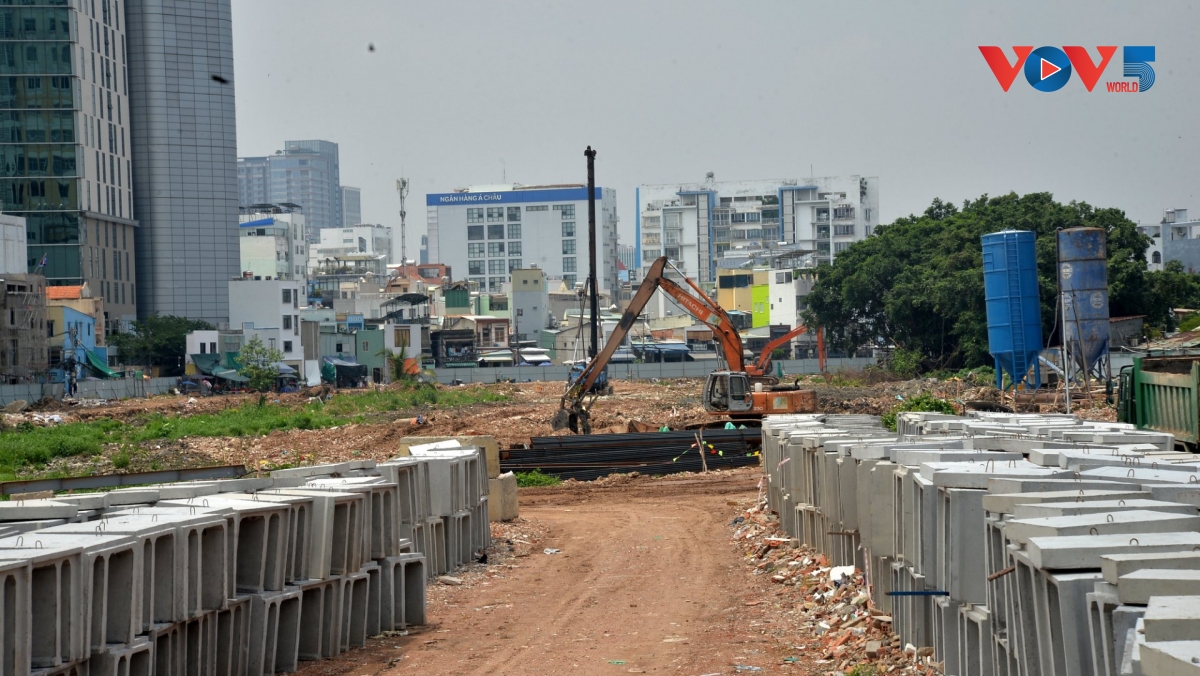
To capitalize on this seasonal advantage, HCMC has prioritized accelerating public investment disbursement and resolving project bottlenecks. With a public investment budget of nearly 5.7 billion USD for 2026, the challenge is not simply to disburse funds quickly, but to channel capital into projects that deliver tangible economic benefits.
Timely infrastructure development will stimulate growth in construction, building materials, and services, strengthen connectivity, and improve the city's ability to attract private investment. Removing administrative, land-related, and operational obstacles is essential to speeding up project implementation, according to Tran Quang Lam, Director of the municipal Department of Construction.
"The Law on Urban Development has taken effect since October 1, providing a legal framework for addressing long-standing obstacles. In line with the city's leadership directives, these solutions embody the principle of applying private-sector management practices to public investment. We’re determined to get things done," Lam explained.

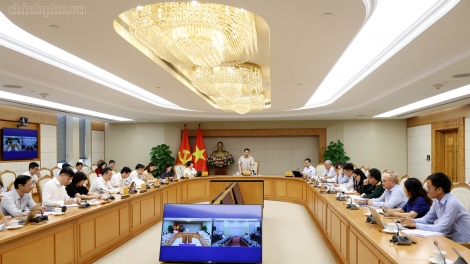
In addition to institutional reforms, the city is working to revive stalled projects and turn idle resources into productive assets. At a conference to review the nine-month performance and discuss ways to reach double-digit growth, Chairman of the HCMC People's Committee Nguyen Van Duoc stressed the need to deploy projects and launch products.
"From now until the end of the year, HCMC hopes to resolve all backlogged projects. Some will be fully completed and others will have clear road maps for resolution, with more than half becoming fully operational. The goal is to put projects into operation, make effective use of land, and bring products to market," said Duoc.
If public investment drives infrastructure development and unlocks resources, domestic consumption and export are essential to expanding production and markets. In the fourth quarter, HCMC will step up demand-stimulation programs, targeting 17% growth in wholesale and retail sales revenue and helping businesses overcome obstacles and accelerate project completion.
A positive sign comes from manufacturers’ consumption of electricity, which rose 7.9% in the first nine months, the highest in five years, indicating a strong recovery in industrial activity.
But according to Duoc, there’s much work to be done. "The pressure on the final quarter is immense, as we need a growth of at least 13.23% in the fourth quarter to meet the annual growth targets. Despite the obstacles ahead, we remain true to our city’s tradition of facing every challenge with the fierce determination to act and succeed.”
As the nation's economic powerhouse, Ho Chi Minh City is resorting to every available growth driver, from investment and consumption to production and exports. To achieve the 2026 goals, the city is set successfully implement the final-quarter measures, sharpen its competitive edge, unlock new growth capacity, and reap economic benefits for the southern region and the whole country.