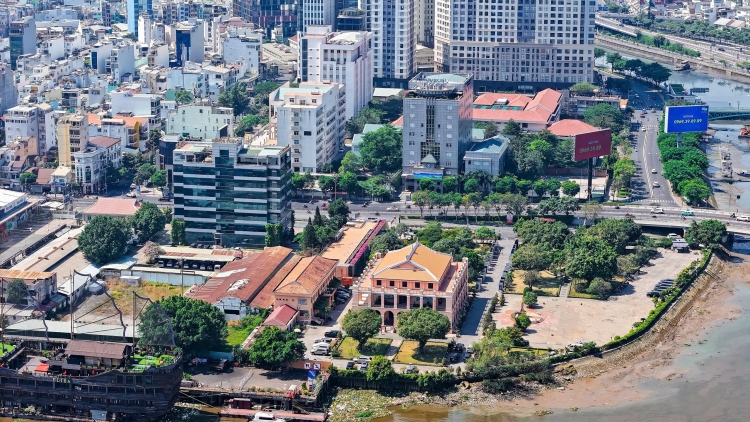



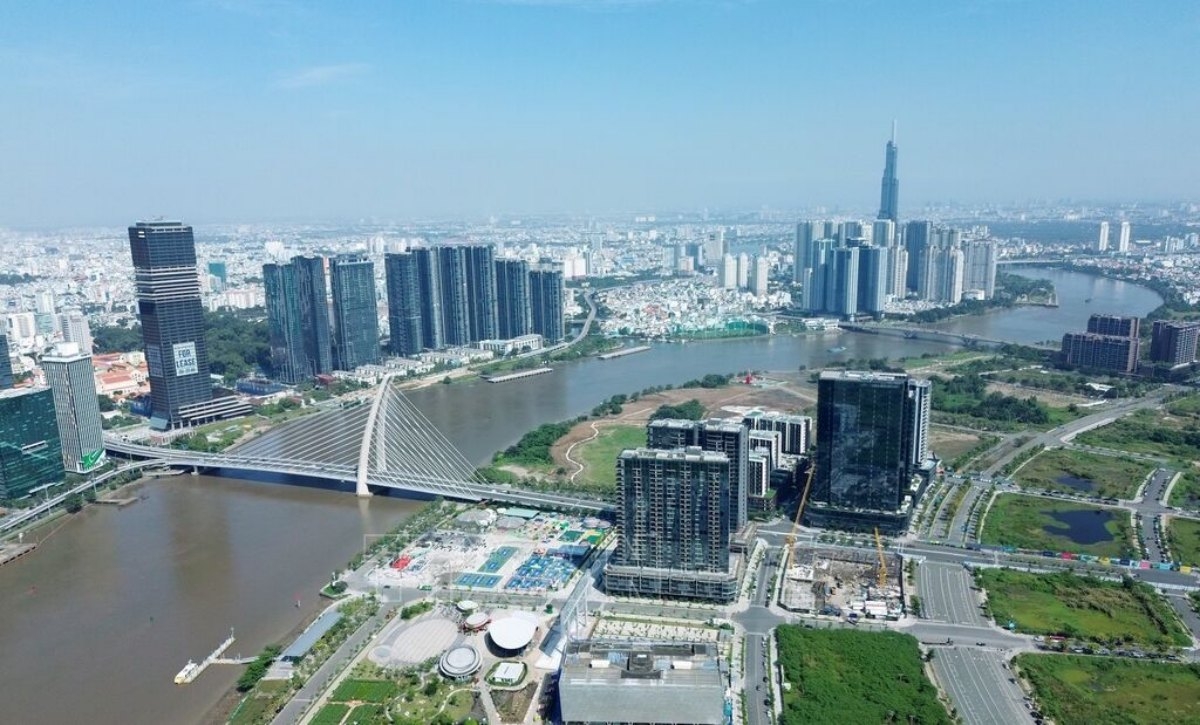
Ho Chi Minh City currently contributes about 23% of Vietnam’s GDP and nearly 30% of total national budget revenue. The 51-year development journey has also posed numerous challenges, requiring the city to continue renewing its governance mindset for sustainable development.
As a trailblazer, Ho Chi Minh City is implementing special mechanisms and policies to create new growth drivers. It has repositioned three economic pillars: high-quality financial and commercial services, high-tech industry, and logistics linked to regional and international value chains.
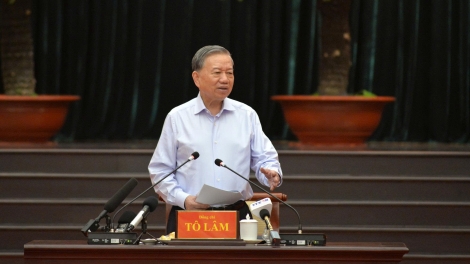
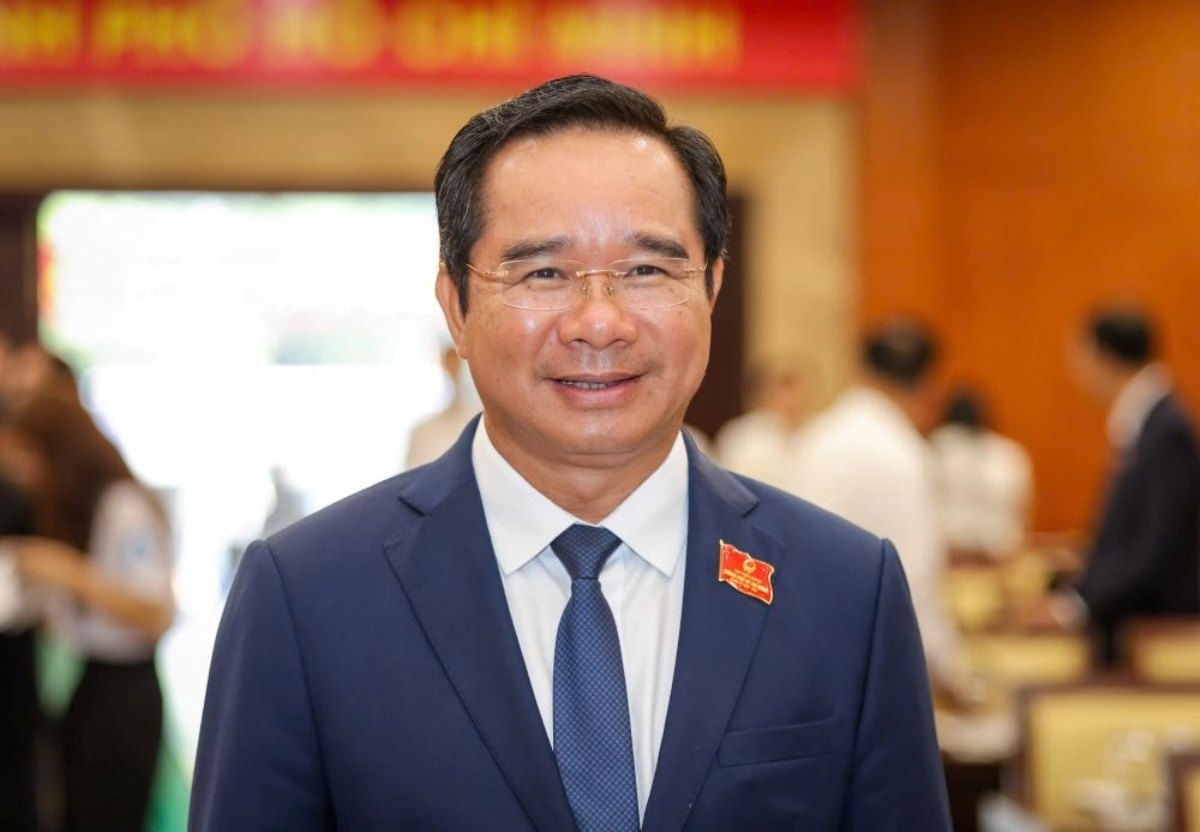
Chairman of the municipal People’s Committee Nguyen Van Duoc said, “Sustainable development can only be achieved when regional economic space is organized rationally and value chains are allocated efficiently, with each locality’s role clearly defined within an overall framework. Within that structure, Ho Chi Minh City will serve as the chief architect and the coordinating, driving center for regional linkages, where finance, technology, high-end services, production, logistics, and high-tech agriculture converge and are harmoniously integrated for co-development.”
The city has built a draft Special Urban Law, expected to be submitted to the National Assembly this year, creating a legal framework to develop itself into a mega-city by removing bottlenecks in policies, land, planning, and investment. The law is oriented to build a modern and flexible governance model, enabling Ho Chi Minh City to be more autonomous in economic development and urban management.
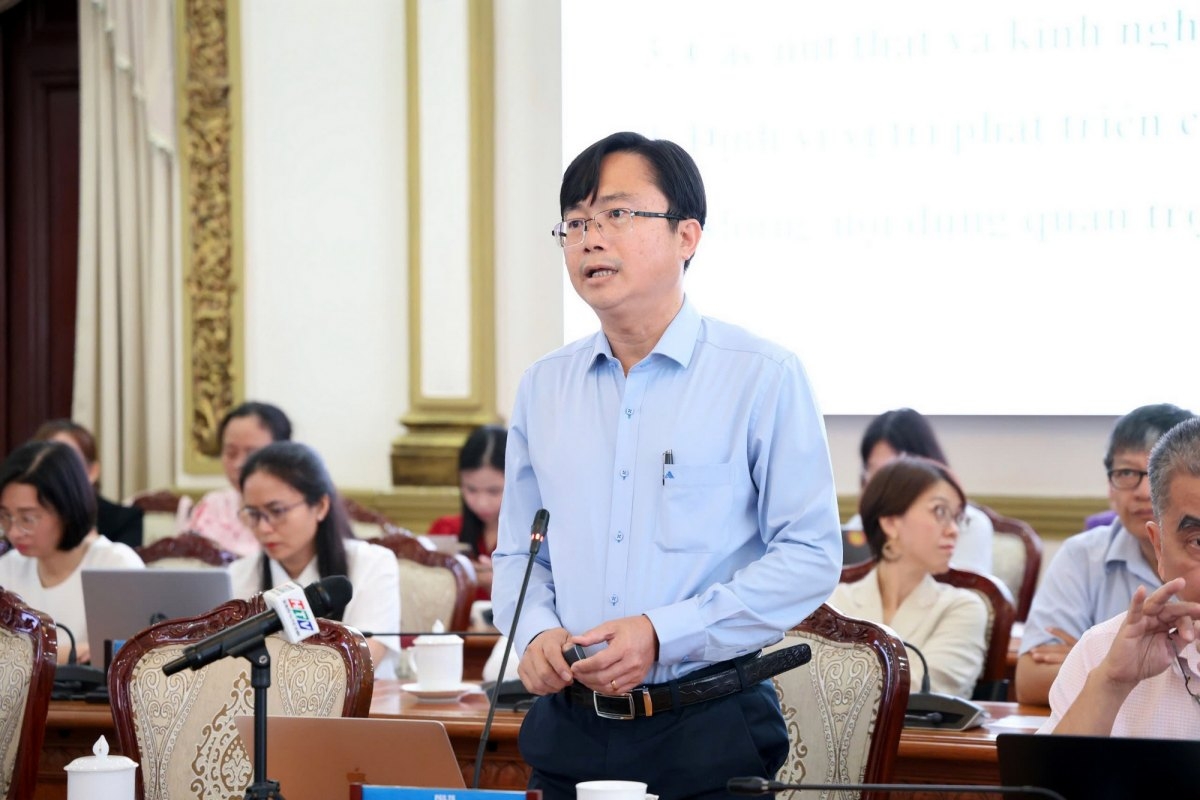
Associate Professor, Dr. Do Phu Tran Tinh from the University of Economics and Law, at the Vietnam National University–Ho Chi Minh City, explained, “The Special Urban Law focuses on three key points: granting substantive autonomy, a sandbox mechanism or an experimental institutional framework, and an internationally competitive legal framework to facilitate the development of a financial center. These three pillars will open up new development space, remove bottlenecks, and attract strategic investors with long-term vision.”
With its principle of granting comprehensive autonomy to the city administration, the Special Urban Law is seen as an institutional investment for national growth. “The city will be empowered to implement more flexible mechanisms, in line with its role, size, and contributions. From pilot models to new governance approach, from shortening administrative procedures to expanding policy space for innovation and private sector development, institutional reform will help the city operate more effectively and creates practical models that can be replicated nationwide,” Chairman Duoc said.
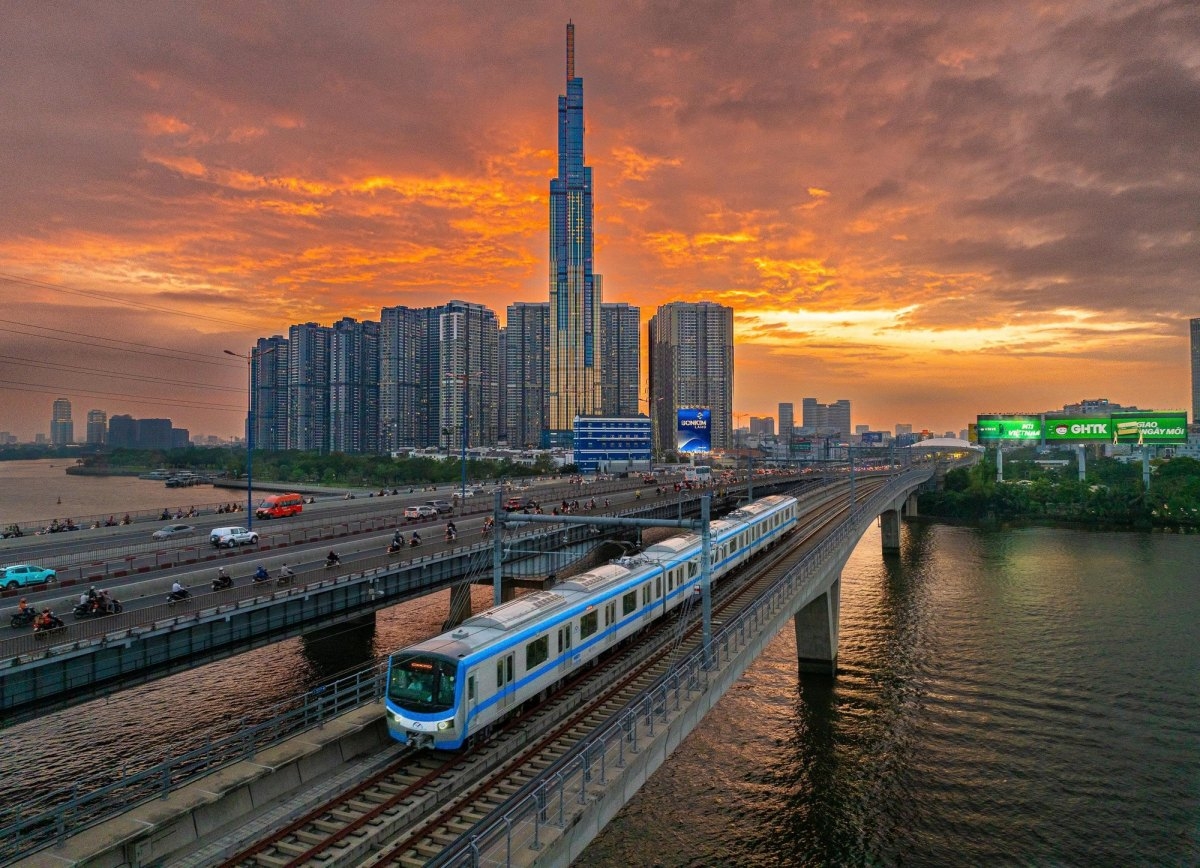
Ho Chi Minh City is speeding up key transport infrastructure projects such as the metro system, ring roads, and inter-regional expressways to boost connectivity. The target is to inaugurate of at least 187 km of metro lines by 2030 and from 700 to 1,000 km by 2045.
Nguyen Quoc Hien, Deputy Head of the City’s Urban Railway Management Board, said, “Metro lines are the arteries of the city, so it must be built with the highest standards. The metro creates a premise and driving force for development, so it must connect major hubs, national transport networks, railways, seaports, and large urban areas.”
Digital infrastructure has also been upgraded to enable the strong development of the digital economy and digital society, a strategic step to raise competitiveness in the technology era. The Politburo has issued multiple strategic resolutions for Ho Chi Minh City to fully tap its growth drivers.
Given its dynamism, creativity, and pioneering spirit, plus the strategic direction from the central level, the city will continue to maintain its position as the country’s economic engine, advancing on the path of sustainable development and international integration.