



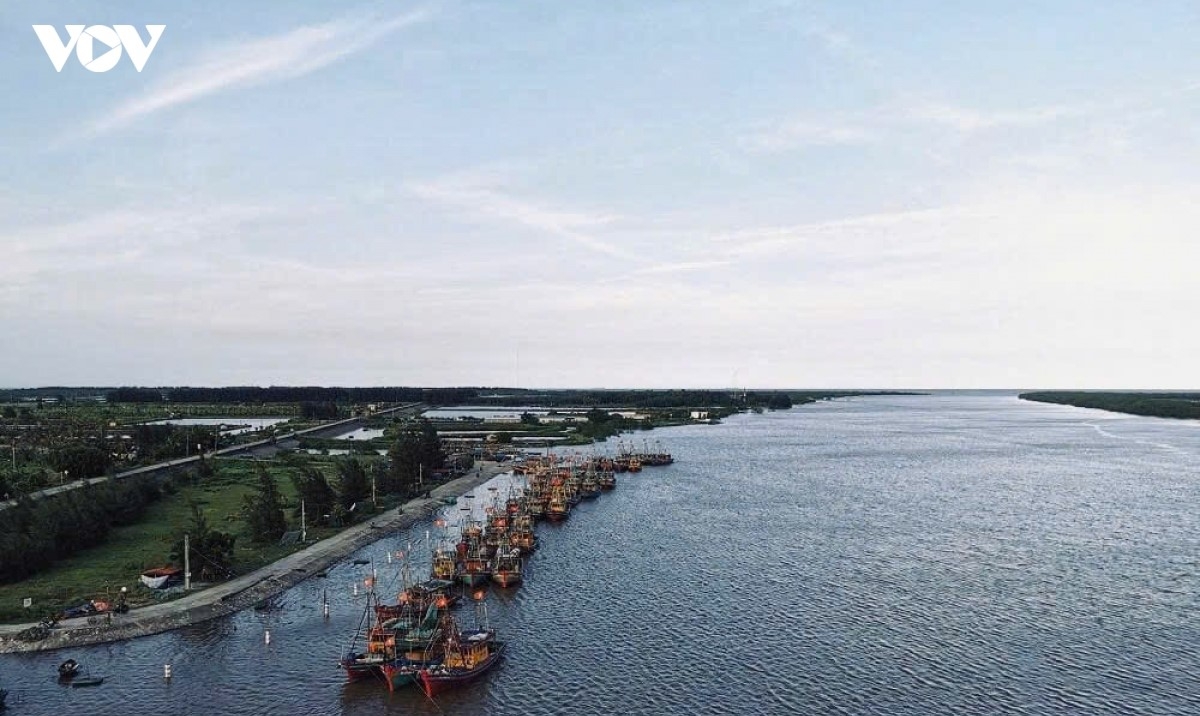
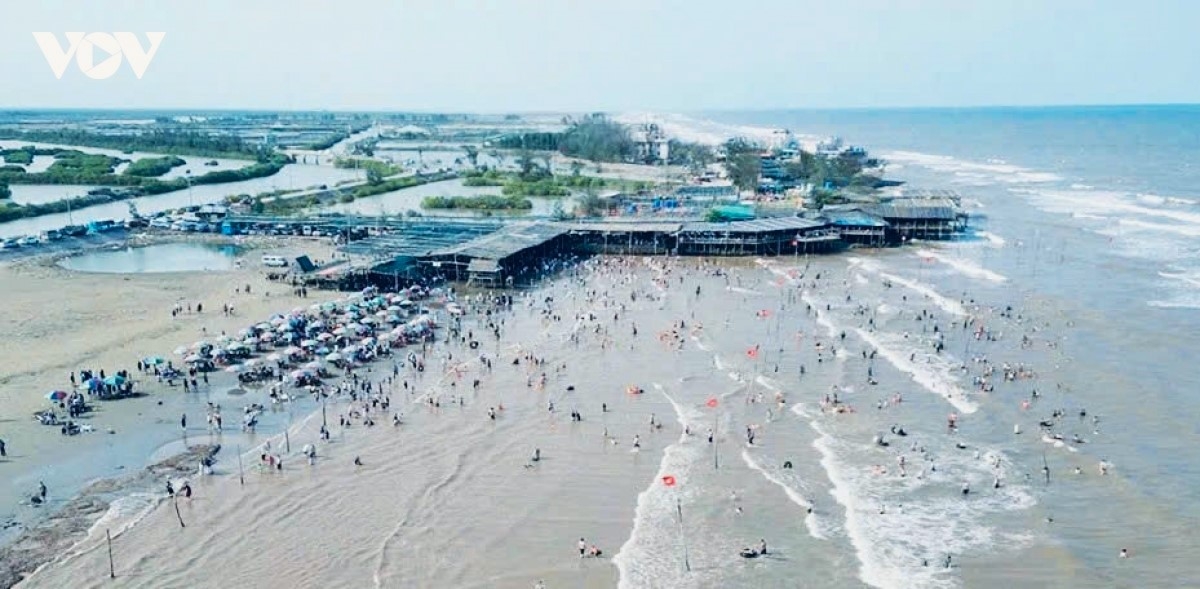
Following Vietnam’s reorganization of administrative boundaries, Hung Yen now has 54 kilometers of coastline plus extensive tidal flats and coastal areas. It has identified the marine economy as a major growth driver that links industrial, urban, service, and logistics development with stronger regional and global connectivity. By 2030, Hung Yen hopes to become a major marine economic hub in northern Vietnam.
Economist Vu Dinh Anh said, “Vietnam has more than 3,200 kilometers of coastline, and Hung Yen’s 54 kilometers are a major advantage. Those 54 kilometers are the province’s gateway to the world.”
To turn its geographical advantage into a growth driver, Hung Yen is translating its planning orientations into new infrastructure projects and economic spaces. Based on the provincial master plan for 2021 to 2030, with a vision to 2050, and the approved Free Economic Zone proposal, Hung Yen is seeking to develop a network of high-tech industries, logistics, energy, and coastal services linking inland areas with the coast, and production centers with transportation infrastructure and consumer markets.
In this process, transportation infrastructure will play a key role in opening the way for investment and the movement of goods. The completion of a coastal road last October was an important step in strengthening regional connectivity and opening up new development space along the route.
Nguyen Quang Hung, Deputy Chairman of the provincial People’s Committee, said, “The coastal road project will complete the essential transportation infrastructure for Hung Yen and the region, opening up new development space and connecting Hung Yen with the growth centers of Hanoi, Hai Phong, Quang Ninh, Ninh Binh and the southern provinces. It will facilitate the formation of industrial, service, and tourism zones along the route and attract substantial investment.”
“This is a strategic part of Hung Yen’s drive to develop its marine economy and build a new economic zone,” Hung added.
Building on the coastal road, Hung Yen is moving toward an integrated transportation network connecting its growth centers with Hanoi and other localities in the region.
A major arterial route linking Hanoi to the coast will create an additional corridor for goods transport, investment, and logistics development. Once the transportation network is fully connected, the coastal advantage will extend to all major industrial and service centers and large markets in northern Vietnam.
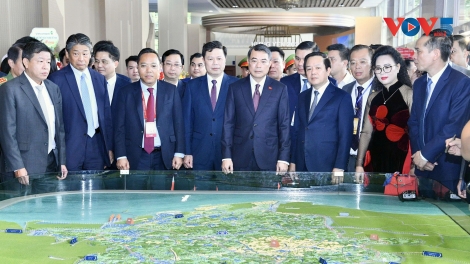
Planning functional zones and attracting investment have been identified as key steps in forming a marine economic ecosystem. Hung Yen is completing plans for a coastal economic zone, industrial parks, urban and resort service areas, logistics centers, seaports, and related infrastructure.
Pham Ngoc Ke, Deputy Head of the Thai Binh Economic Zone Management Board, told VOV that the zone’s first priority is to complete a master plan for the coastal economic zone.
“At the same time, we’re working to complete detailed plans for functional areas within the economic zone and industrial parks, and plans for coastal urban and resort service areas, logistics centers, airports, and seaports. We’re also working with relevant sectors, agencies, and localities to accelerate the completion of transportation links. Our investment attraction approach is to seek out investors rather than wait for them to come to us,” said Ke.
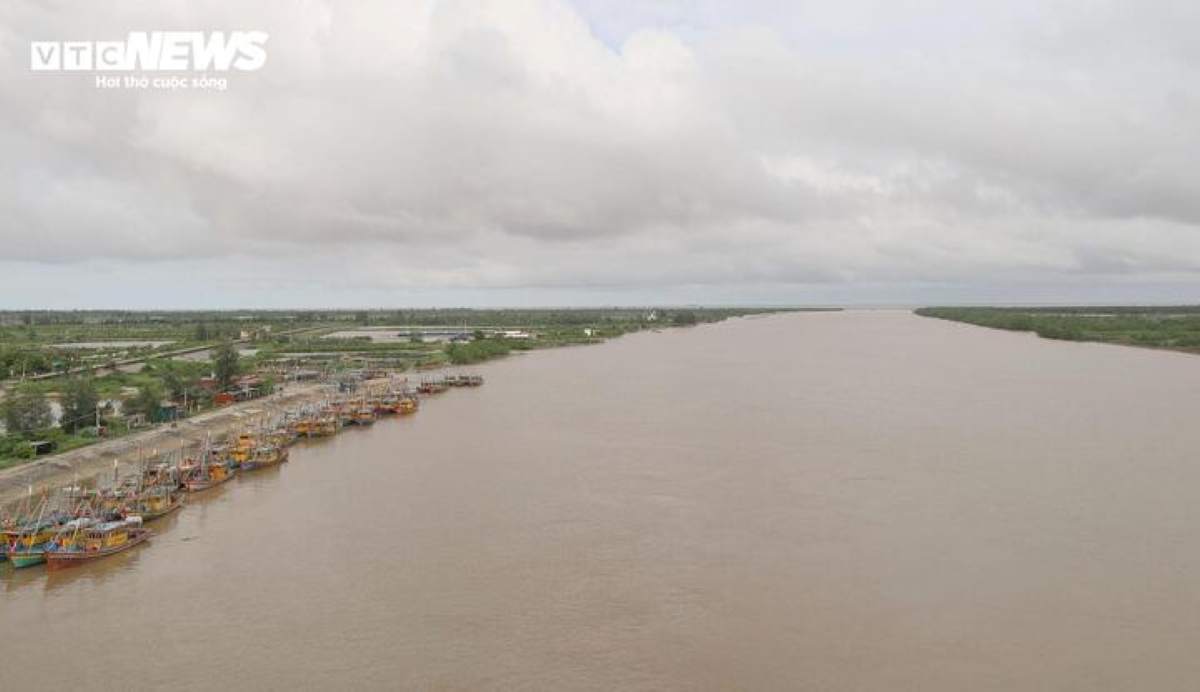
Hung Yen’s maritime ambition is about more than exploiting a new geographical advantage. It’s about reorganizing its development space, with transportation infrastructure creating connectivity, planning providing the foundation, and industry, logistics, services, and seaports creating new value chains.
Hung Yen, whose development has previously been based on inland space, is learning to manage and make effective use of both land and marine space in line with Resolution 20 of the 14th Party Central Committee.
Hung Yen is strengthening the links between its inland and coastal areas, between goods production and transport, and between local resources and the regional and global economies. This requires balanced development, effective use of marine resources, environmental protection, and improved growth quality to ensure that the coastal advantage produces long-term economic value.
In this new development space, Hung Yen is building an economic structure with broader connectivity, stronger competitiveness, and greater spillover effects across the region. As transportation infrastructure, planning, and economic sectors become more closely integrated, the sea will open up new development opportunities and allow Hung Yen to strengthen its regional links, connect with international markets, and assert its position in northern Vietnam’s marine economy.