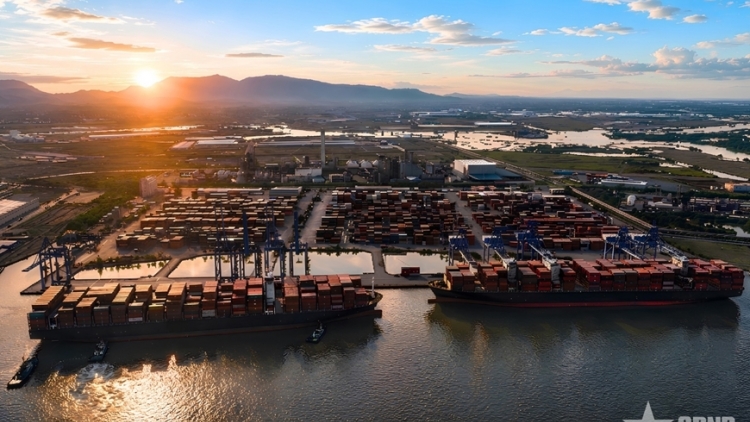



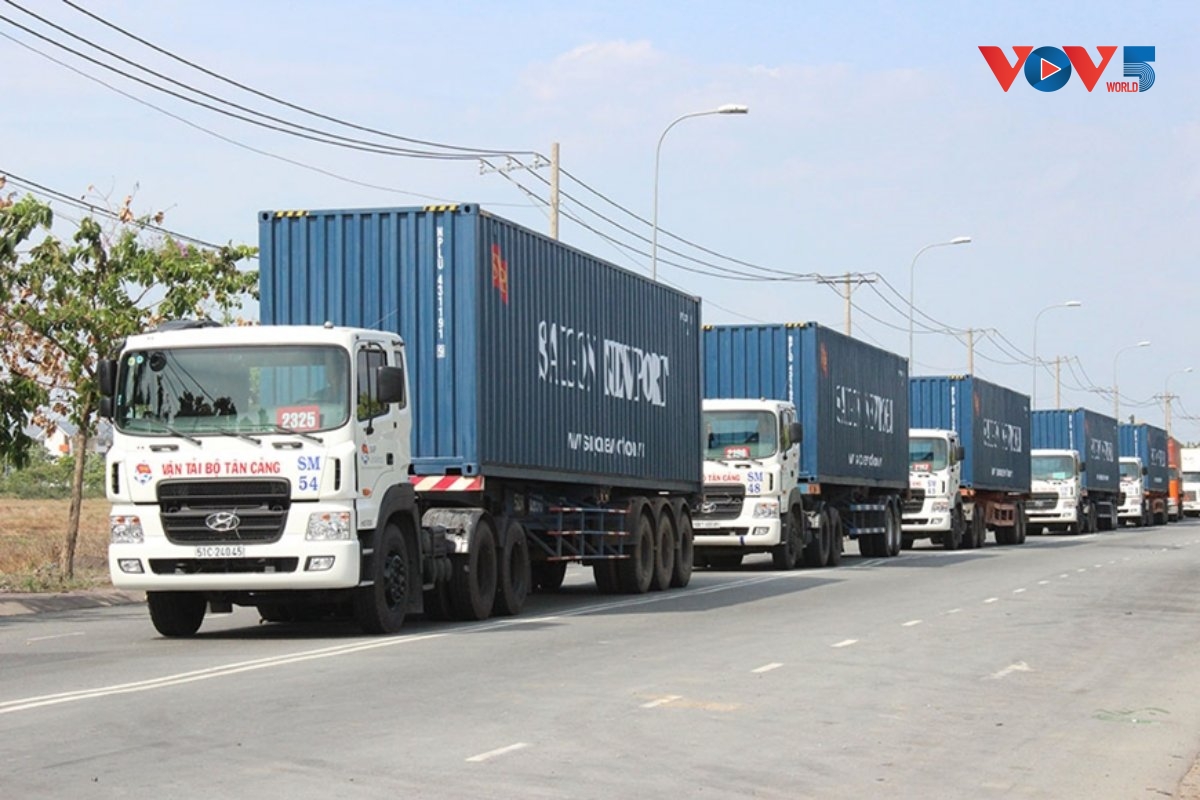
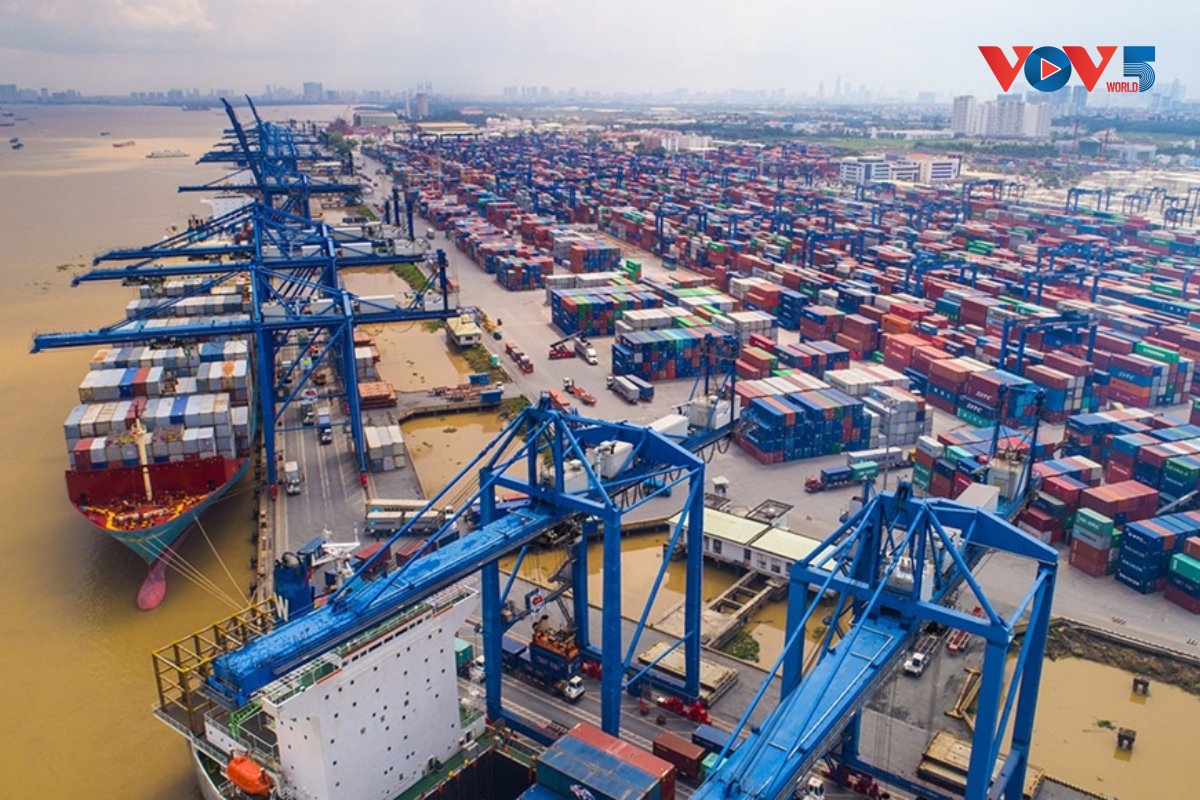
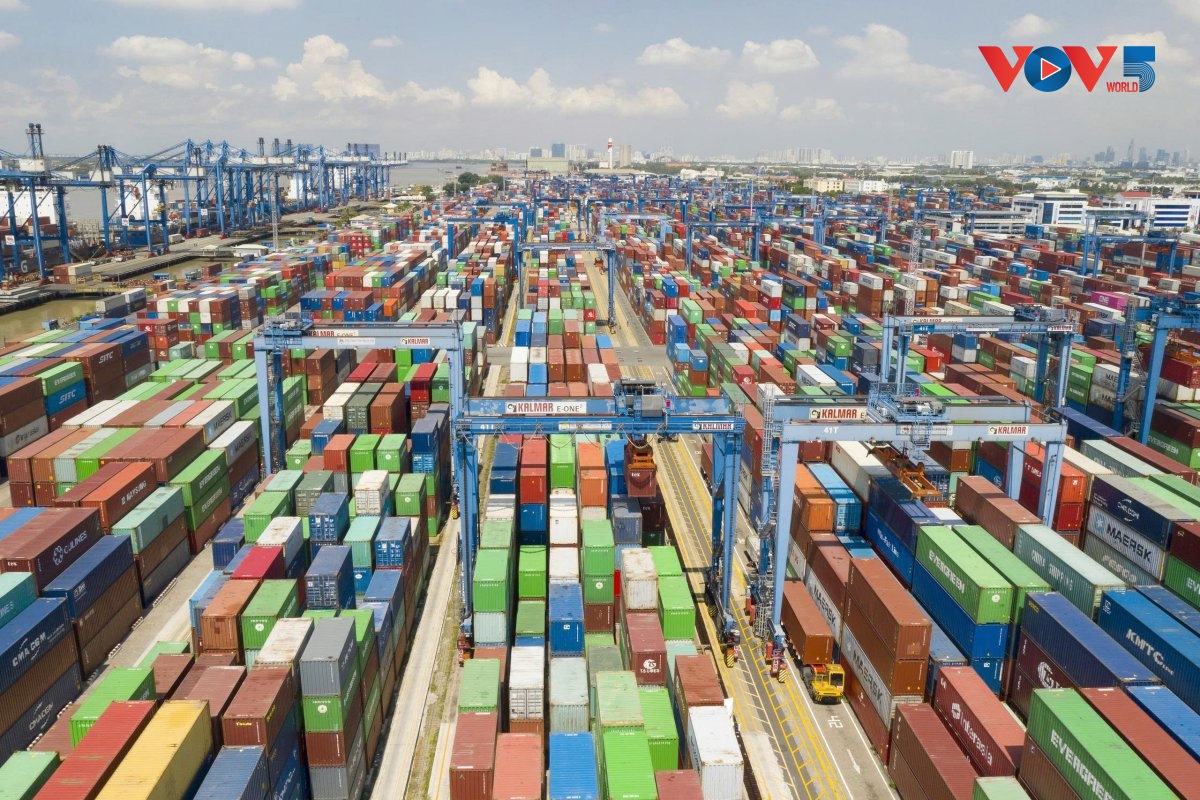
At Tan Cang-Cat Lai Terminal, operated by Saigon Newport Corporation (SNP), the transition to a smart port is boosting operational capacity and opening new horizons for Vietnam’s maritime economy. Weekdays, weekends, and holidays, Tan Cang-Cat Lai Terminal operates around the clock, with the flow of ships, trucks, and cargo coordinated endlessly. For a port handling such huge volumes of cargo, the goal is not simply speed, but precision at every stage of the operational chain.
Tran Ngoc Tinh, Deputy Director of SNP’s Port Operations Center, said, “Our port constantly runs at high capacity so our solutions must ensure the highest level of efficiency. The port never stops. We accommodate vessels around the clock and manage the flow of cargo, ships, and transport vehicles. This makes the role of technology and data vital in keeping port operations smooth and efficient.”
Advanced technologies have been integrated into numerous processes, from container management and cargo registration to electronic delivery and vehicle access control. The Terminal Operations Package (TOPX), the online transaction system that digitizes port declarations, orders, and payments (ePort), Electronic Delivery Orders (eDO), the Electronic Warehouse Management System (eWMS), and the automated gate system (Autogate) have significantly reduced manual intervention.
As a result, the average container delivery time has been cut from 2-3 hours to approximately 30 minutes. For customers and shipping lines, this translates directly into time savings, higher productivity, and better service quality.
Phan Thi Thu Ha, Director General of RCL Vietnam Shipping Line, said, “Many customers and shipping lines speak highly of Cat Lai’s operational capacity and its investment in advanced technologies. Systems like ePort, eDO, and integrated ePort applications bring substantial benefits to clients. Vessel traffic is tightly managed through clear procedures and a dedicated workforce, ensuring that operations run smoothly and efficiently.”
At Cat Lai, technology has helped to double operational capacity, from a designed capacity of 3 million TEUs to 6 million TEUs a year. Nguyen Huu Phuc, Deputy Head of the IT Section at SNP Corporation, said, “All information on container locations, including their exact coordinates when they enter the gate, is identified in real time, enabling seamless stacking and retrieval. This eliminates a huge amount of manual work.”
“Without an automated port management system, quickly locating a specific container in this yard would be nearly impossible. By automating these processes, providing automated alerts to customers, and managing operations on a shared data platform, we minimize manual steps and increase productivity for customers. This forms the foundation of our smart port model,” Phuc added.
Pursuant to Resolution 20, expanding maritime economic space must go hand in hand with modern infrastructure, technological innovation, digital transformation, and sustainable development. Nguyen Nang Toan, SNP’s Executive Vice President, said this is precisely the direction the company is pursuing. He added that its advantages in infrastructure, technology, and operational capacity are enabling SNP to improve the performance of individual ports and strengthen connectivity across its entire network.
“Technology, particularly IT, has created a powerful breakthrough, cementing Tan Cang’s position today. We will deepen IT integration in management, organization, and port operations. Tan Cang plans to roll out a Port Community System (PCS), accelerate comprehensive digital transformation across the corporation, digitize internal processes and transactions, streamline customer-facing procedures, and modernize newly invested port facilities,” Toan explained.
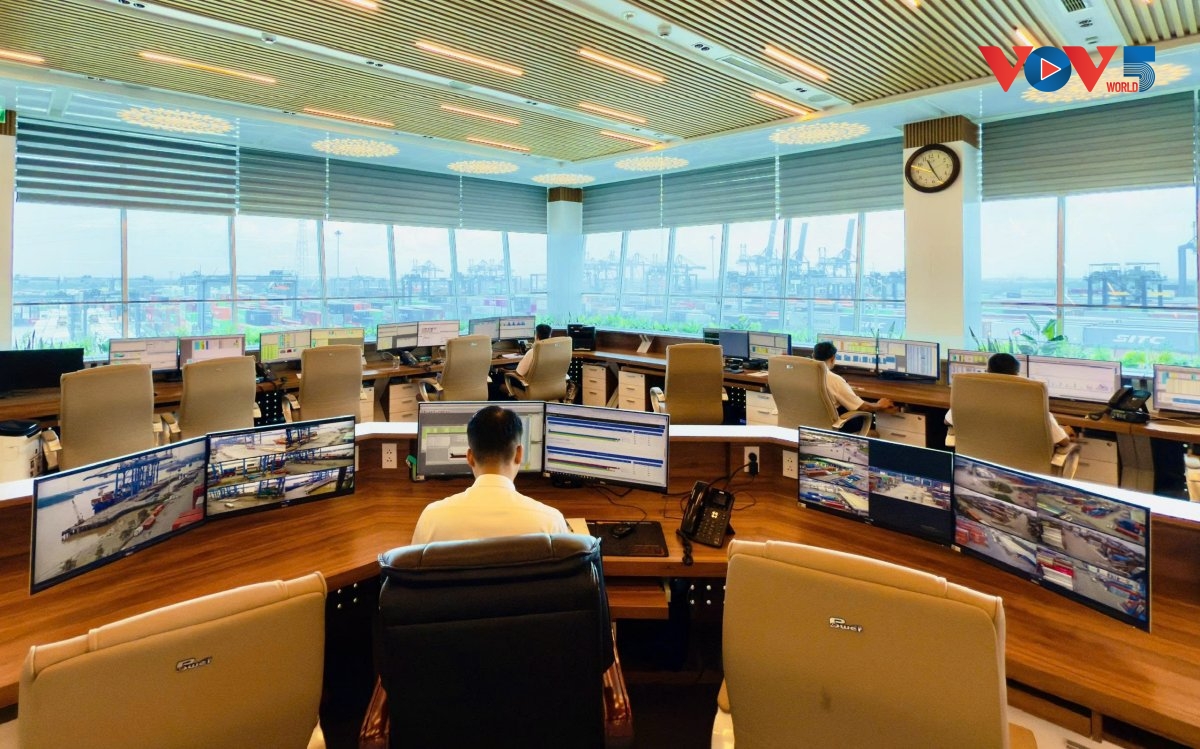
Saigon Newport Corporation is currently Vietnam’s leading port operator and ranks among the world’s top 20 container port clusters by throughput. The success of Tan Cang-Cat Lai Terminal shows that developing smart seaports and strengthening network connectivity can unlock Vietnam’s maritime potential and contribute to the goal of building a strong maritime nation.