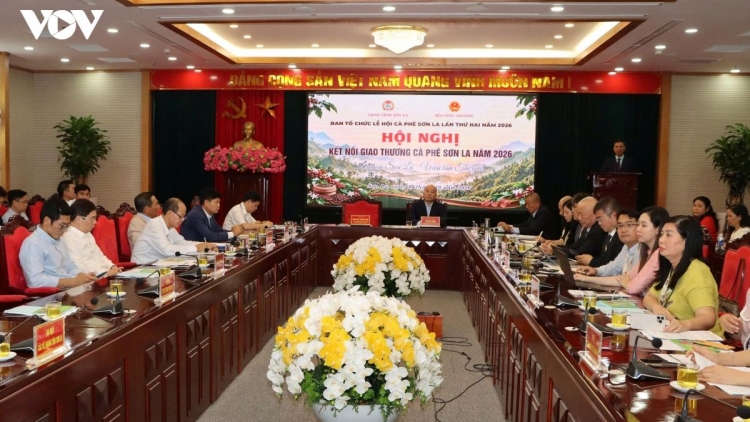




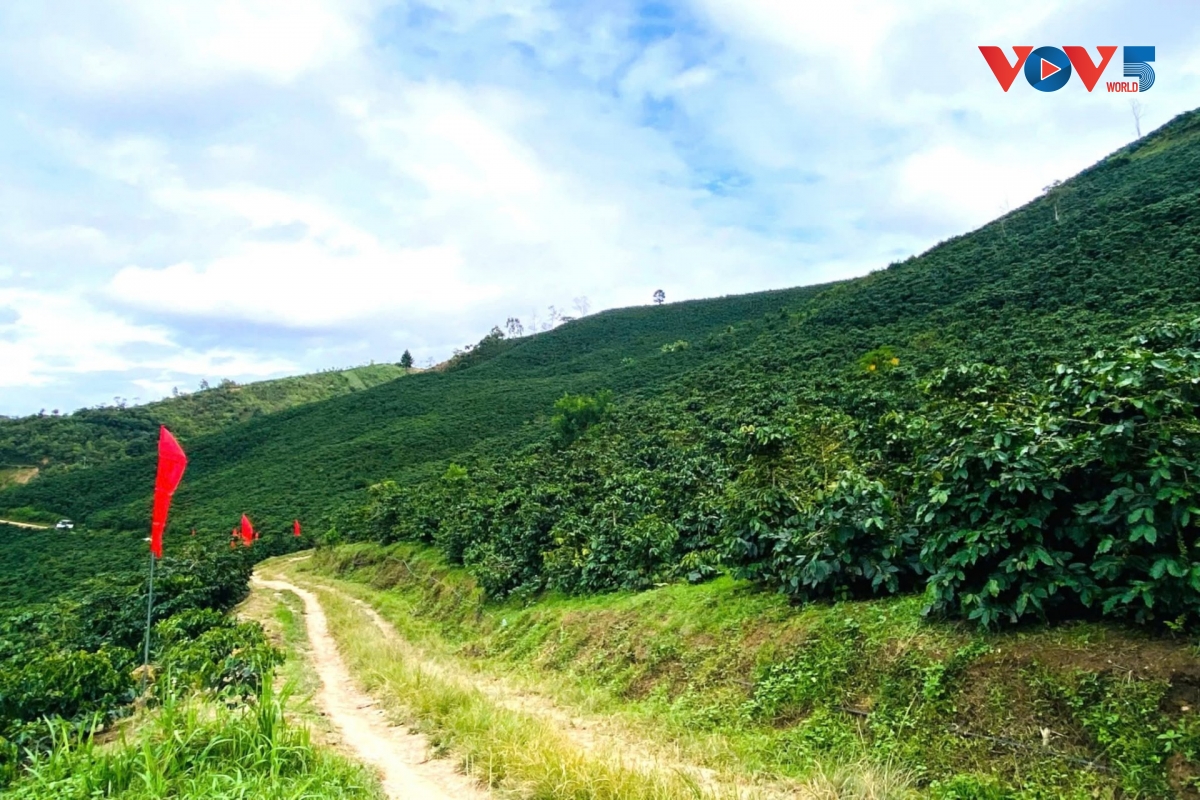
Son La now has 44,000 hectares of coffee, including 30,000 hectares in production, yielding 55,000 tons of green coffee beans annually. It’s adding value to its coffee products through better cultivation practices, improved processing, and stronger brand development.
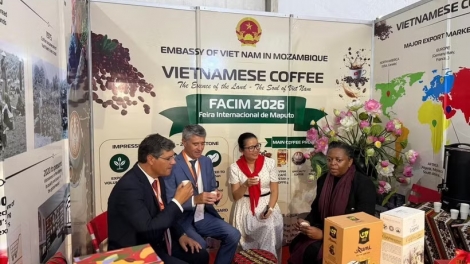
Son La has 5 coffee products certified under the One Commune One Product (OCOP) program, including one that has earned a 5-star rating. These products are gaining ground in the domestic market and reaching export destinations like the US, Australia, and New Zealand. Son La is looking to expand into demanding markets in Europe.
Dang Dinh Ha, Director of the Coffee & Tea Vietnam Import-Export Company, said, "I see Son La coffee improving in quality and gaining popularity among customers, particularly in Hanoi and overseas. We intend to promote Son La Arabica coffee products more and more widely."
That growing recognition begins with quality control at the source. In Muong Chanh commune, Aratay Coffee Cooperative has focused on specialty coffee, managing 70 hectares of coffee that meet clean, safe, organic production standards.
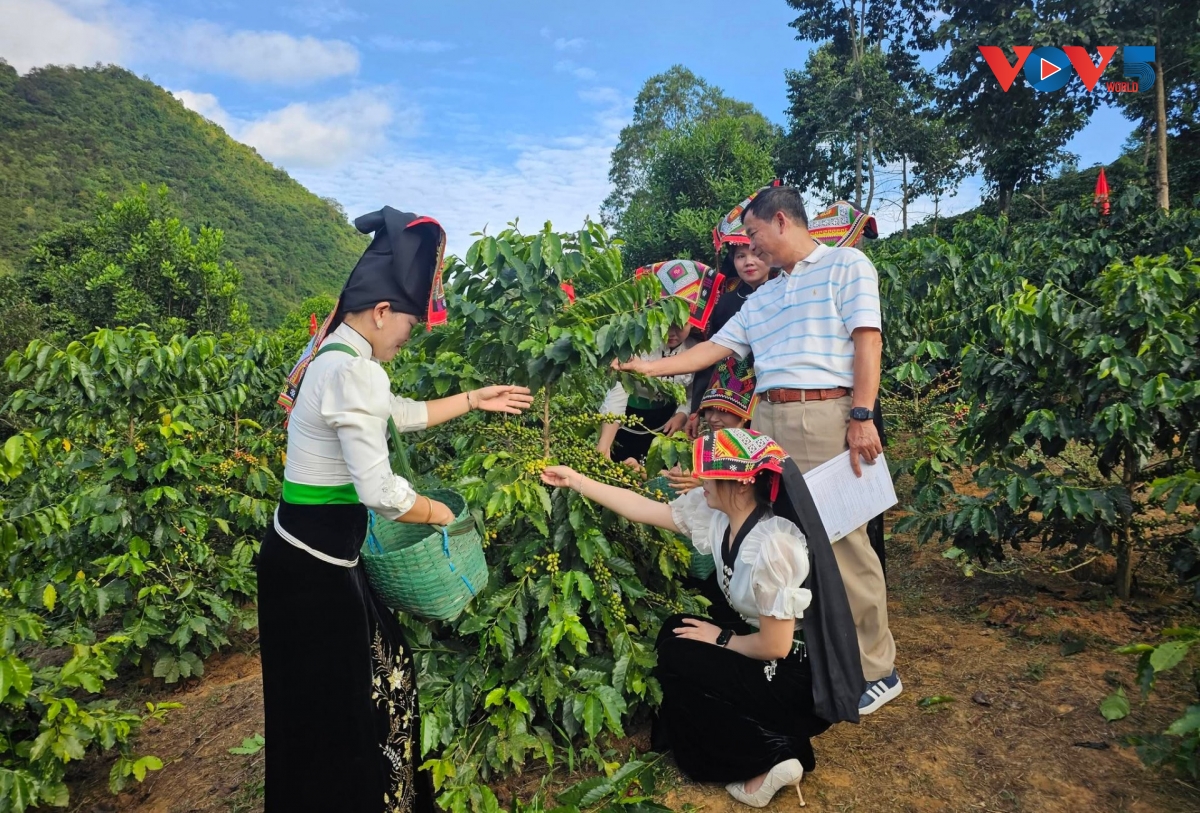
Local farmers are starting to follow standardized procedures for cultivation, harvesting, and processing. Aratay Coffee, who practices strict quality control, sells its products through annual pre-orders in the domestic market and exports to South Korea and Japan, generating more than 77,000 USD in net profits.
Ha Thi Binh of the Aratay Coffee Cooperative said, "In addition to improving product quality and diversifying our products to generate additional income, we want to invest in and sustainably develop our raw material areas through certification, helping ensure stable livelihoods for local farmers."
Like Aratay Coffee Cooperative, the Phuc Sinh Son La Company is pursuing a green transformation that spans its growing areas and processing facilities. The company works with 2,000 coffee-growing households on 3,000 hectares. Participating farmers receive guidance on cultivation practices that comply with international sustainable coffee standards and traceability requirements.
Using coffee beans from closely monitored growing areas, Phuc Sinh develops high-quality Arabica varieties and value-added products through deeper processing. One example is its “Cascara Blue Son La”, which meets the stringent requirements of premium markets like the EU, the US, and Australia. About 90% of the company's production is secured through advance orders from international customers, with the US and EU among its primary markets.
Vu Viet Thang, Director General of the Phuc Sinh Son La Company, said, "Raw material growing areas, processing infrastructure, and a strong regional brand identity are key factors in helping Son La coffee gain market acceptance. Quality is always our top priority."
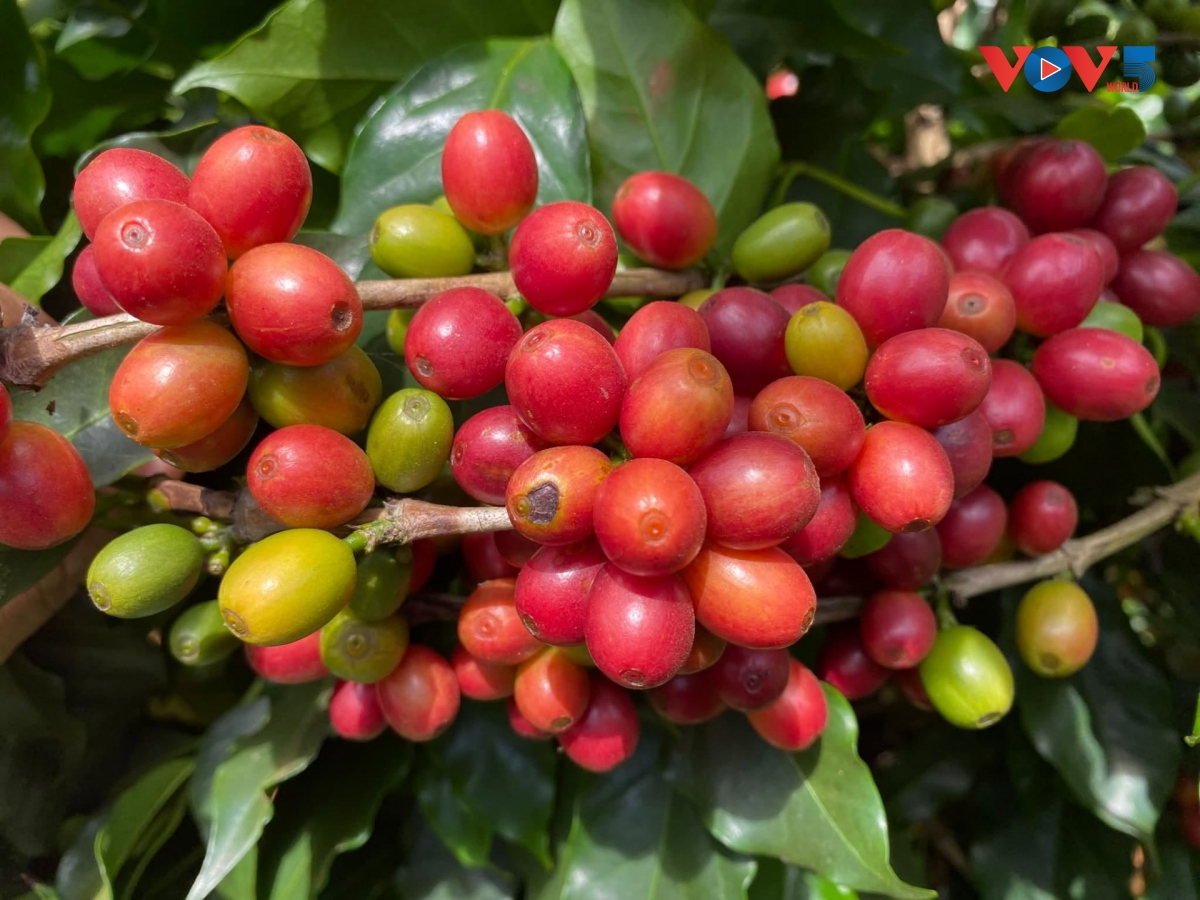
Coffee is emerging as one of Son La’s key agricultural exports. Last year, Son La produced 37,000 tons of green coffee and exported 28,000 tons, generating 112 million USD in export revenue. Coffee has become a mainstay of Son La’s agricultural sector.
To reach more consumers, Son La is stepping up trade promotion, business networking, and brand development, and expanding the use of e-commerce and digital platforms. Tran Xuan Viet, Director of the provincial Investment, Trade, and Tourism Promotion Center, said, "The Center will continue advising the provincial People's Committee on organizing more effective promotional activities and gathering feedback, and will seek input from managers, experts, scientists, and coffee businesses to improve the quality and economic value of Son La coffee."
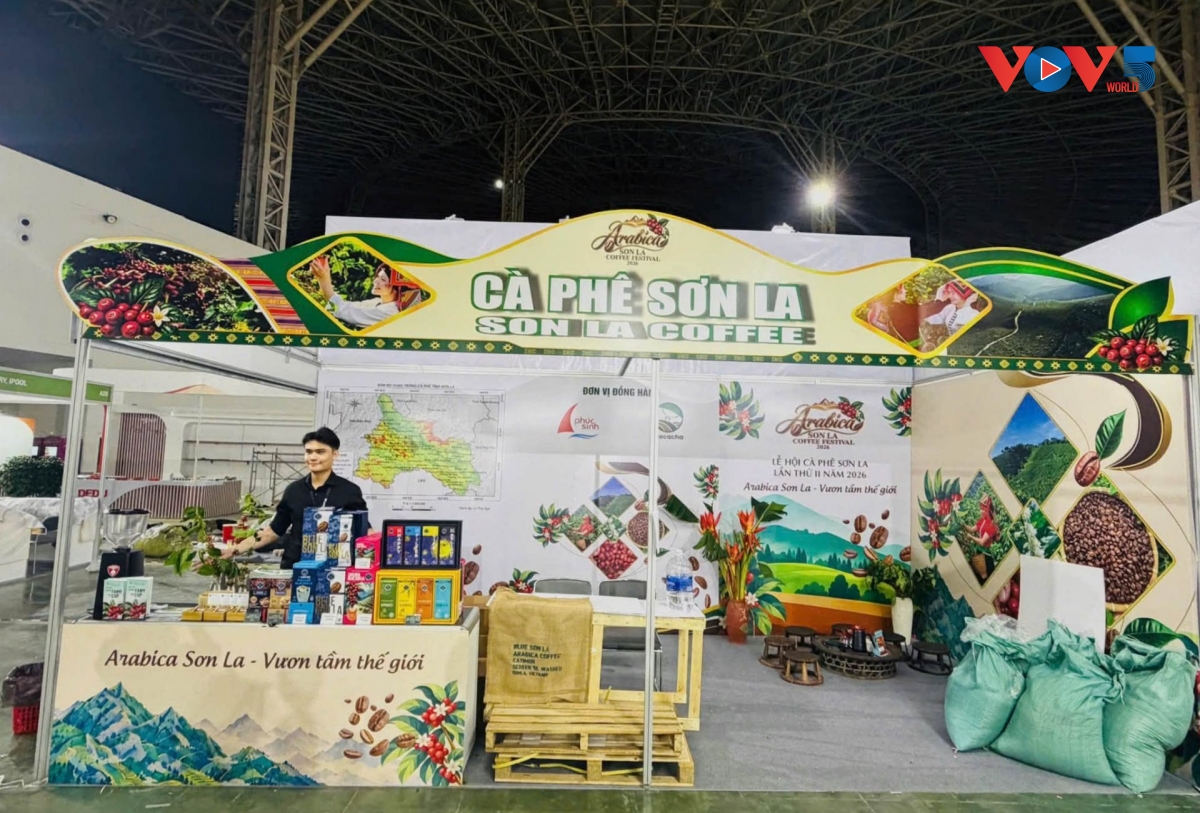
Three decades after coffee was introduced as a way to help alleviate poverty, coffee trees now cover Son La’s mountain slopes, and its Arabica beans are being transformed into higher-value products for markets around the world.
As the industry moves up the value chain, local farmers are gaining more sustainable livelihoods, businesses are finding new growth opportunities, and Son La is strengthening its agricultural brand—giving fresh momentum to its rural economy.