







From interest to business
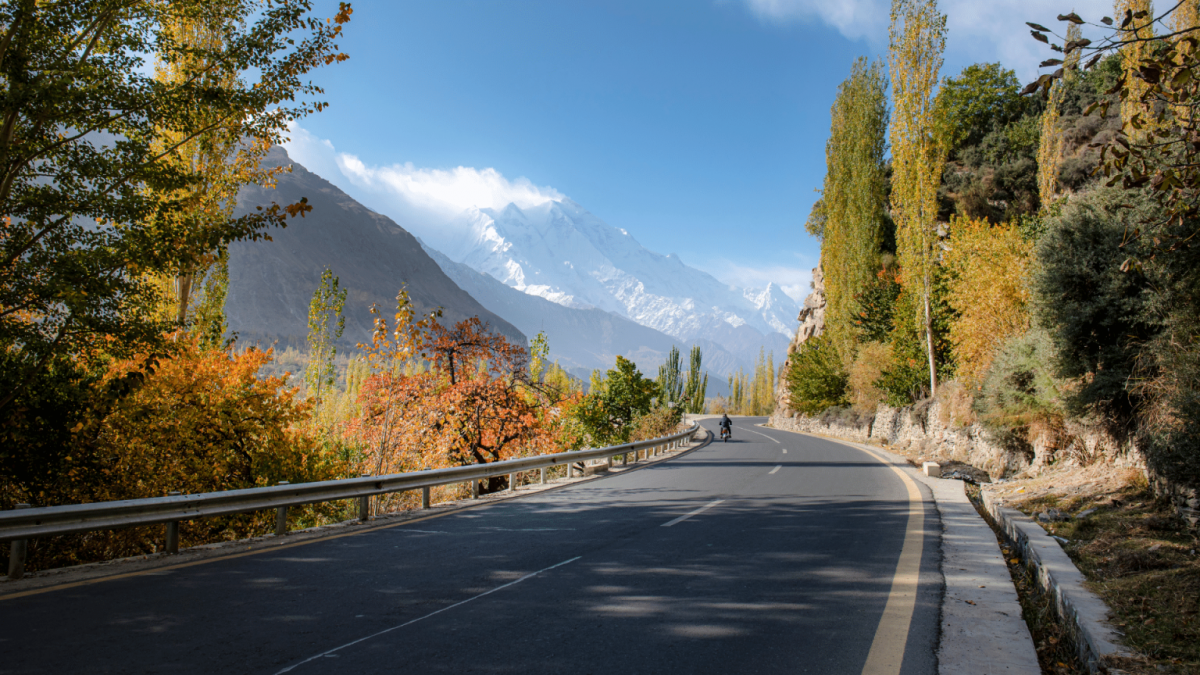
Pakistan possesses great potential for tourism growth, thanks to its untouched nature, diverse cultural heritage, and affordable travel costs.
The 882,000 –square-kilometer country, 2.5 times compared to the size of Vietnam, is home to some of the world's highest mountain ranges—including the Karakoram, Himalayas, and Hindu Kush—with numerous peaks over 7,000 meters, such as K2.
It also has stunning valleys like the Hunza Valley, often called the "Switzerland of Pakistan", and world-class trekking routes across massive glaciers.
In addition, Pakistan possesses a rich historical and cultural legacy, from the legendary Silk Road to traces of ancient civilizations and distinctive local traditions. Combined with reasonable expenses, these advantages make Pakistan an ideal destination for travelers.
Pakistani operators like Muhammad Ismail of Adventure Trips Advisor see growing interest among Vietnamese travelers in cultural and mountain adventure tours.
For Vietnamese tour operators specializing in niche and off-the-beaten-track destinations, Pakistan offers strong appeal but also major challenges.
Nguyen Minh Hue, Director of Gold Sea Tour, told VOV that Pakistan has been a focus for her company since its establishment, but the market is limited to two seasons: cherry blossom season in March and April, and autumn in late September.
“The natural landscapes are breathtaking, attracting visitors from all over the world. But our biggest obstacle right now is air connectivity. Without direct flights, we have to transit through Bangkok or China,” said Hue.
Industry representatives spotlighted one more thing of the Pakistani market that high flight deposits and underdeveloped tourism infrastructure require operators to proceed with caution.
Visas, air connections, and Halal services
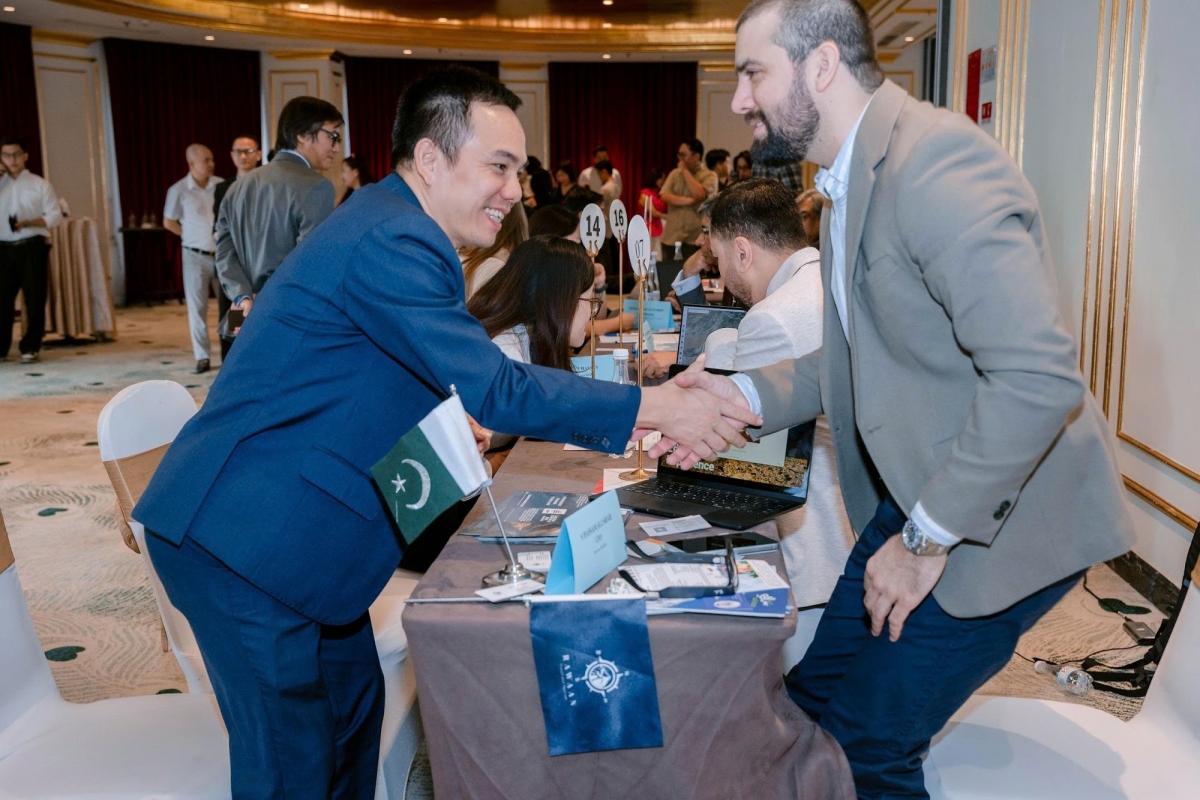
To boost tourism between the two countries, Pakistani Ambassador Kohdayar Marri emphasized the need for promotional events, video conferences, and familiarization trips for social media creators.
There remain several hurdles including visa procedures and flight connections. As representatives of Airblue, Pakistan International Airlines (PIA), and Vietnamese carriers are discussing possible charter flights and future direct services, Truong Quoc Hung, Chairman of the Hanoi UNESCO Travel Club, said reciprocal travel is essential for flight viability.
“In tourism, a win-win approach where both sides exchange tourists builds mutual understanding and, balances airline volumes. If we receive incoming guests without sending travelers out, or vice versa, the imbalanced flight loads will drive airfares up significantly,” Hung explained.
Ambassador Mari highlighted the need for streamlined visas and direct routes for Pakistani visitors traveling to Vietnam. “There are no direct flights, and the connecting flights are through Qatar, through Turkey, and through Bangkok. It takes a long time to wait in the airport before coming to Vietnam catching the connecting flight. A lot of people decide to stay in Qatar, in Thailand, in Turkey, and not come to Vietnam,” said the Pakistani doplomat.
“We also need more halal facilities and hotels and if we have more places for prayer and worship, that would help us also,” said Mr. Marri.
Halal is another issue in need to be addressed to boost tourism, said Hung, adding that catering to Muslim travelers requires formal standardization.
“Halal is a very specific type of cuisine. Restaurants also need dedicated prayer rooms. This requires training, standardization, and formal Halal certification. Without a steady stream of guests, businesses investing in Halal services risk having to close after six months or a year. We need a balanced strategy across multiple markets to maintain consistent tourist volume.”
Turning agreements into tangible results
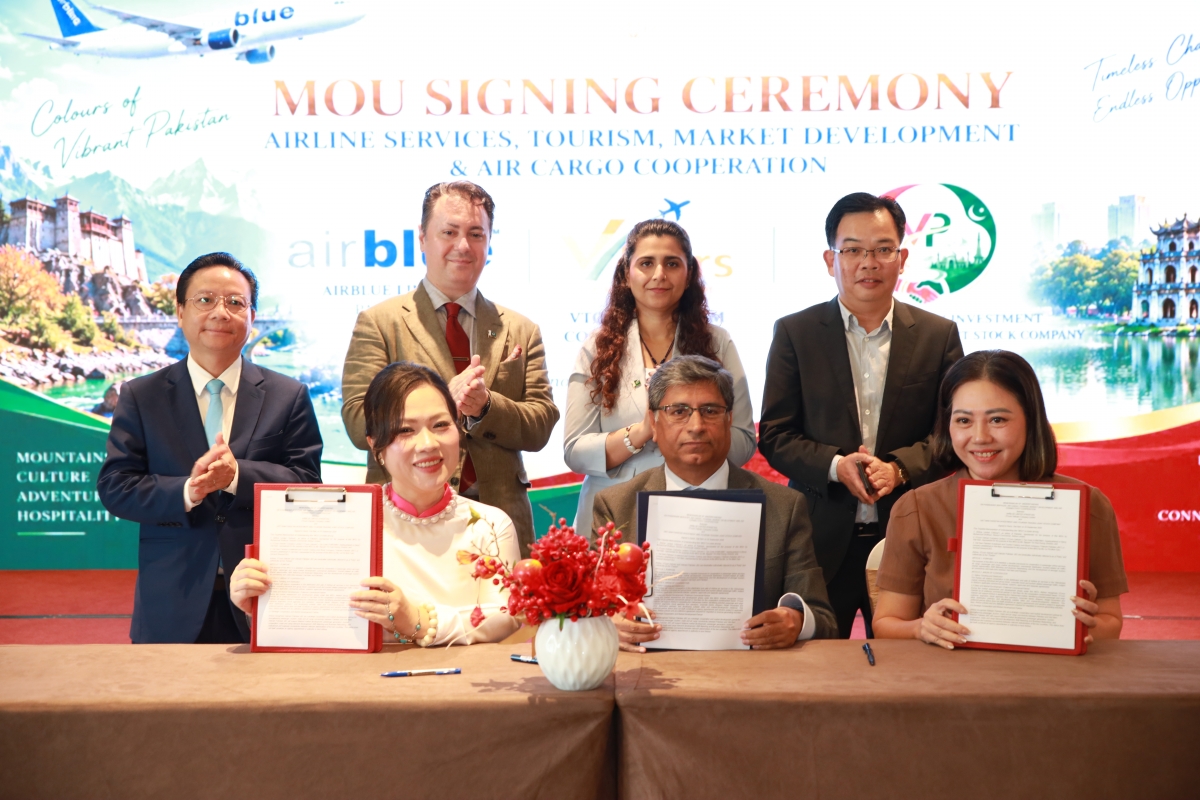
Against the context, the B2B event proved its effectiveness. It saw 3 memoranda of understanding (MOUs) signed, laying a framework for long-term cooperation.
Ambassador Marri stressed that these agreements must lead to practical outcomes, “MOUs are good, but I want to see the results. We need follow-up to make sure the engagement continues. The embassy will push for more agreements and stronger connectivity between companies and people.”
Three cooperation frameworks signed during the B2B event are:
A MOU between the Hanoi UNESCO Travel Club and the Pakistan Association of Tour Operators calls for developing a tour-operator network, familiarization trips, and two-way tourism products.
A MOU between Vietnam Pakistan Investment and Tourism Trading Company and Travel Walji’s Limited focuses on developing long-term two-way travel products and increasing passenger flows.
A 3-way MOU between Airblue Limited, VTours Vietnam, and Vietnam Pakistan Investment and Tourism Trading Company covers airline services, tourism promotion, market development, and air-cargo cooperation.
With engagement from authorities, tourism associations, airlines, and private businesses, Vietnam–Pakistan tourism cooperation is set to turn growing interest into stronger two-way travel and long-term market development.


