(VOVWORLD) -Due to the conflict in the Middle East, many Vietnamese exporters have adjusted their production and shipping plans while seeking alternative markets to mitigate risks and ensure that supply chains remain uninterrupted.
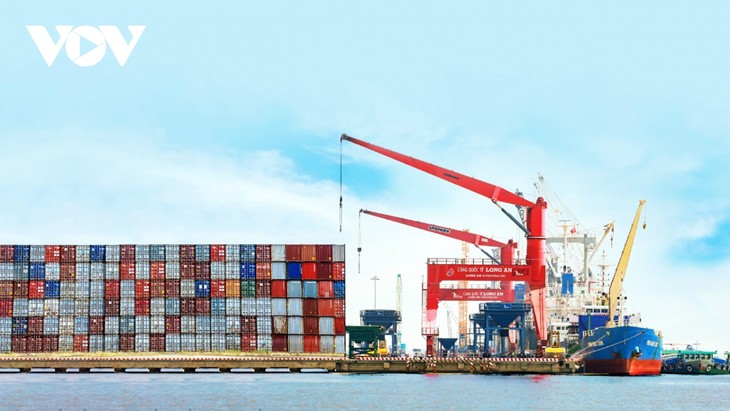 Complicated developments in the Middle East conflict are posing significant risks to global trade. Complicated developments in the Middle East conflict are posing significant risks to global trade. |
For Vietnamese exporters, although the conflict has not directly affected domestic production activities, fluctuations in energy prices, shipping costs, and delivery times are posing considerable challenges. The fisheries industry is among the hardest hit sectors.
Le Hang, Deputy Secretary General of the Vietnam Association of Seafood Exporters and Producers (VASEP), said that the Middle East is a key market for Vietnamese tuna, pangasius, and shrimp. “The conflict has pushed up energy and fuel costs, affecting both production and trading costs. Maritime routes are being disrupted. It takes more time for goods to travel from Vietnam to the Middle East and the EU,” said Ms. Hang.
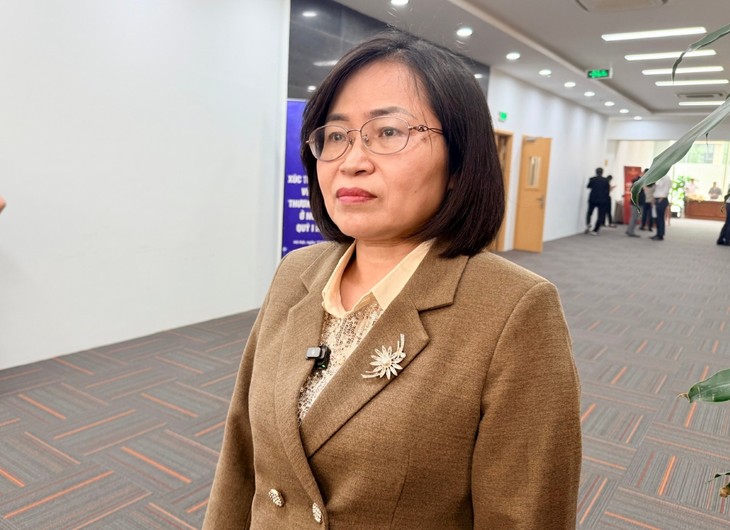 Le Hang, VASEP Deputy Secretary General, speaks about the challenges faced by Vietnamese exporters. (Photo: Vietnam+) Le Hang, VASEP Deputy Secretary General, speaks about the challenges faced by Vietnamese exporters. (Photo: Vietnam+) |
To this end, many seafood enterprises have opted for new routes to avoid high-risk areas. They have also increased delivery buffer times to minimize the risk of contract violations with partners. Export markets are also being diversified to reduce dependence on any single region. Many businesses are expanding operations into the US, the EU, Japan, and South Korea.
Another approach is restructuring export products. Instead of focusing on fresh products with short shelf lives, many firms are increasing the share of frozen or processed products to reduce cargo quality loss due to longer shipping times.
Vietnamese garment and textile exporters are also seeking shipping adjustments to avoid contract violations and optimizing production to offset rising costs. According to Vu Duc Giang, Chairman of the Vietnam Textile and Apparel Association, "Businesses are recalculating their production strategies to minimize internal costs. We must offset rising freight rates and potential increases in synthetic fiber prices by ensuring the most competitive production costs possible.”
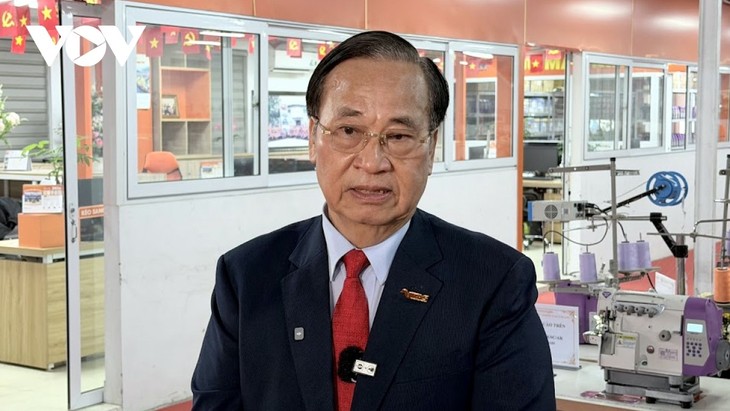 Vu Duc Giang is Chairman of the Vietnam Textile and Apparel Association. Vu Duc Giang is Chairman of the Vietnam Textile and Apparel Association. |
In other sectors, Vietnamese exporters are working closely with logistics partners to find alternate shipping routes, increase raw material reserves, and change delivery schedules. Some businesses are expanding into Asian and neighboring markets to reduce reliance on transport routes affected by the conflict.
According to the Ministry of Industry and Trade, while the Middle East conflict has not yet directly impacted domestic production, unstable transportation and logistics costs could affect export progress in the short term. The Ministry is working closely with industry associations, shipowners, and logistics companies on support measures.
Deputy Minister Nguyen Sinh Nhat Tan said that the Ministry will strengthen analysis, forecasting, and market information updates. “We will also advise the Government on flexible management solutions and recommend that businesses adjust their production plans, markets, and transaction methods according to different scenarios,” said Mr Tan, adding, “Improving early warning capabilities and ensuring timely policy responses will be key to minimizing risks and maintaining growth momentum.”
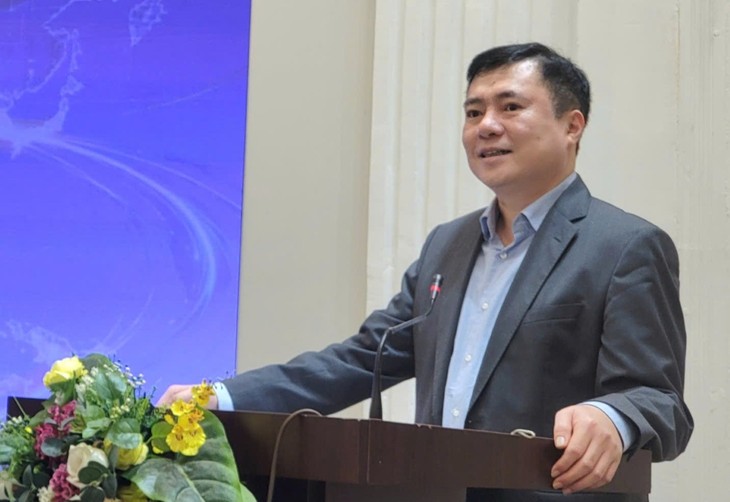 Deputy Minister of Industry and Trade Nguyen Sinh Nhat Tan (Photo: Nguyen Long/VOV) Deputy Minister of Industry and Trade Nguyen Sinh Nhat Tan (Photo: Nguyen Long/VOV) |
Amid ongoing global trade uncertainties, the flexible adjustment of production and shipping strategies is helping Vietnamese exporters maintain stable operations, secure orders, and uphold their position in international markets.