





 Vietnamese
 中文
中文
 日本語
日本語
 한국어
한국어
 Français
 Русский
 Deutsch
 Español
 Bahasa Indonesia
 ไทย
ไทย
 ພາສາລາວ
 ខ្មែរ
ខ្មែរ


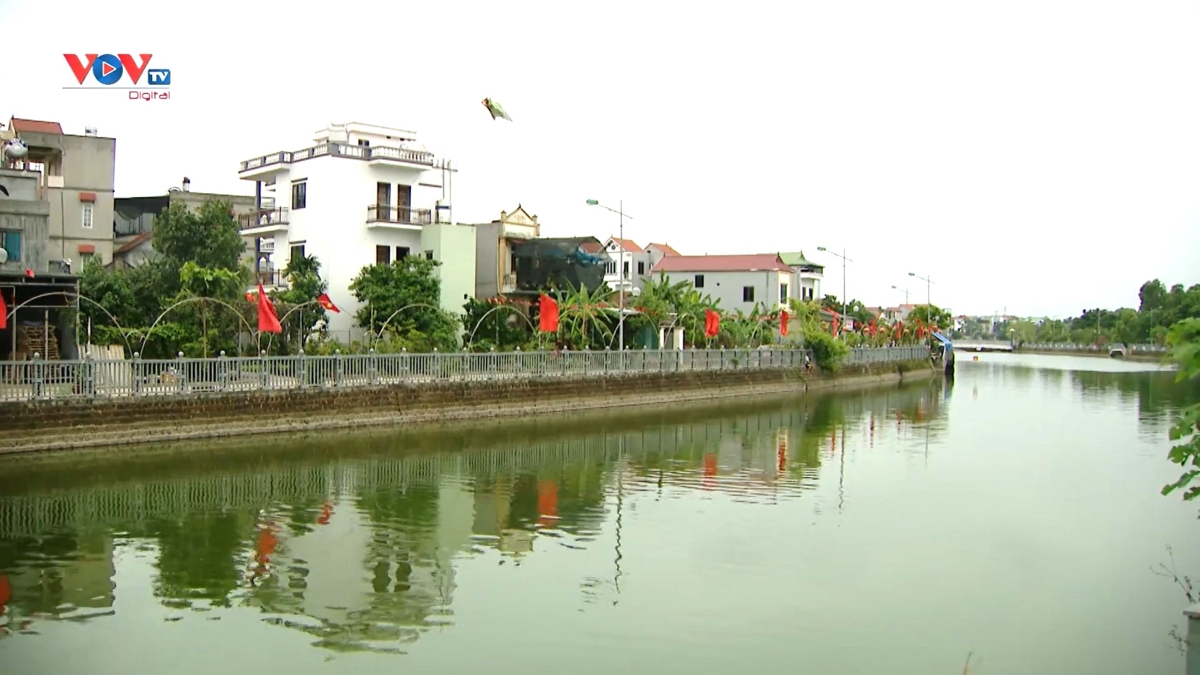 Dai Mo village on the outskirts of Hanoi (hoto: VOVTV) Dai Mo village on the outskirts of Hanoi (hoto: VOVTV) |
In the 6th century (more than 1,400 years ago) Ha Mo was the capital of Van Xuan (the ancient name of Vietnam) under the later Ly Nam De regime.
Ha Mo village still preserves many significant architectural works, including Van Xuan temple, Van Hien temple, and Hai Giac pagoda, which were recognized as national historical relics in the early 1990s. Van Xuan temple stands in the center of the village, facing west, between the Literature Hall and Martial Arts Hall.
Cultural researcher Nguyen Toa, a resident of Ha Mo commune, said: "Van Xuan temple was dedicated to Prince Ly Van Lang for his role in unifying the country in the 6th century to form the Van Xuan kingdom. The Prince is worshipped here along with some mandarins of the pre-Ly dynasty. This land has the shape of a turtle playing with a pearl".
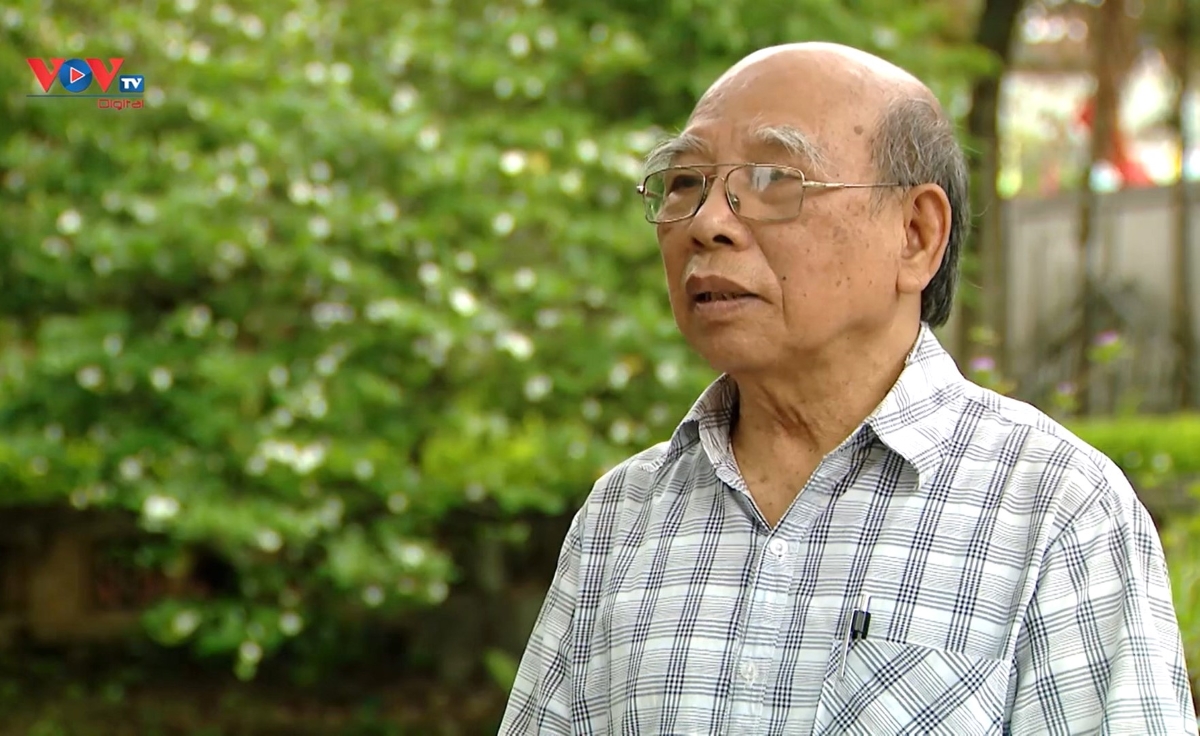 Cultural researcher Nguyen Toa (Photo: VOVTV) Cultural researcher Nguyen Toa (Photo: VOVTV) |
Nun Thich Dam Chinh in charge of Hai Giac pagoda, said: "In the late 19th century, most venerable Thanh Trang performed many noble needs for the nation. People built a stupa dedicated to him within the pagoda.”
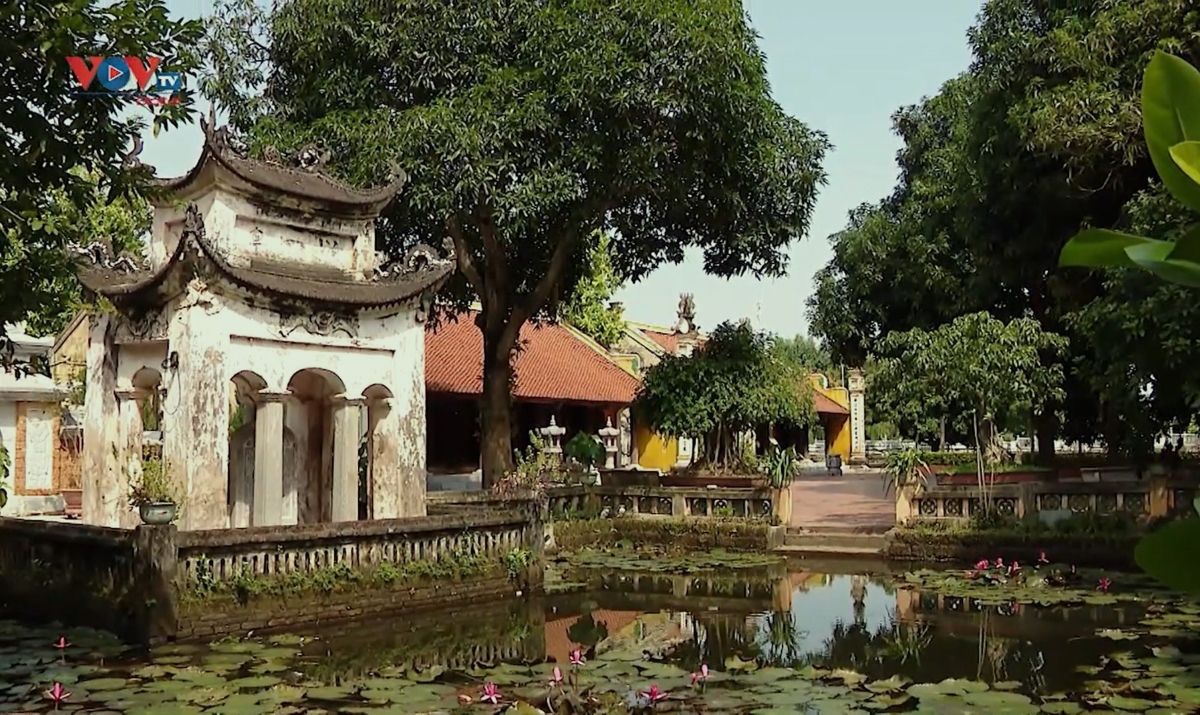 Inside the Temple of Literature (Photo: VOVTV) Inside the Temple of Literature (Photo: VOVTV) |
Local cuisine offers visitors dishes made from locally grown plants. Ha Mo is famous for pyramid rice dumpling, tofu, tapioca, and chao se, a porridge eaten with chopsticks.
"We choose good rice, soak it in water, and mill it to flour. We steam pig bones to make broth. We knead the wet flour until it is soft. We boil the flour in the broth at low heat. The porridge is cooked for holidays, festivals, and get-togethers with relatives and friends.”
“Chao se porridge is our village specialty. We make it for visiting tourists,” said a villager.
Selling chao se porridge provides a stable income for many villagers while also preserving the village’s culinary heritage.
