








B: Thank you for your continued support, your thoughtful questions and your valuable suggestions, which help us improve our programs every week.
A: Let's begin today with a touching letter from Javier Gonzalez Nungaray in Mexico. He writes: "With deep respect and sympathy, I would like to recognize the difficult mission Vietnam is carrying out to honor its fallen heroes and martyrs. This is extremely important for Vietnam's younger generations because they enjoy today the freedom that their forefathers fought so hard to achieve."
B: Thank you very much, Javier. Your words are a source of great encouragement for Vietnamese people to continue this difficult but meaningful work. As Vietnam marks the 79th anniversary of War Invalids and Martyrs Day on July 27, we remember millions of people who sacrificed their lives during decades of struggles for national independence and peace.
A: Across Vietnam, people visit cemeteries, light candles, offer flowers and incense, and pay tribute to those who never returned home. But remembrance is not limited to one day.
B: One of the most meaningful initiatives now is the 500-day campaign to search for, recover and identify the remains of fallen soldiers through modern DNA testing. For many families, this offers hope after decades of uncertainty.
A: According to the National Steering Committee for the Search, Recovery and Identification of Fallen Soldiers' Remains, the campaign has so far recovered 1,563 sets of fallen soldiers' remains and uncovered nine mass graves. We will keep you updated on the results of the campaign on our website vovworld.vn.
B: Francis Lawlor in Ireland said he particularly enjoys our stories about organic tea farming and shared his interest in the use of virtual reality to bring Vietnam's heritage to life.

A: Francis, technology is opening an exciting new chapter for Vietnam's cultural heritage. Instead of simply reading about a historic site or looking at photos, visitors can now explore ancient monuments through virtual reality, augmented reality and AI-powered experiences, even before they arrive.
B: One impressive example comes from Ho Chi Minh City, where a campaign called "Touching Heritage – Urban Memories" has been attracting huge online audiences. Through livestreams on the Vietnam Heritage TikTok channel, viewers have taken virtual walks through landmarks such as Ben Thanh market, discovering old streets, unique architecture, local cuisine and fascinating stories hidden behind them.
A: The first livestreams attracted millions of views and comments. Some viewers shared childhood memories of these places, while many others said they had added them to their travel wish list after watching the program.
B: This digital transformation is happening across Vietnam. In Hanoi, visitors to the Temple of Literature, Vietnam’s first university, can enjoy an immersive night tour featuring spectacular 3D mapping, lights and multimedia effects that vividly recreate the site's 1000-year history.
A: Art lovers can use the iMuseum VFA app at the Vietnam Fine Arts Museum to navigate exhibitions with multilingual audio guides, while virtual exhibitions and 3D tours are now available at famous heritage sites such as the Imperial Citadel of Thang Long, the Complex of Hue Monuments, the National Museum of History and the National Archives.
B: By combining tradition with innovation, Vietnam is preserving its heritage for future generations and making it more accessible to millions of people around the world. And who knows, Francis? The next virtual tour you watch might inspire your next trip to Vietnam!

B: From Germany, Lars Gellermann says he likes reading reports on Vietnam's economic development, while Peter Vaegler, who has been listening to VOV for more than 50 years, continues to enjoy our stories about tourism in Vietnam.
A: Peter, 50 years marks an extraordinary friendship. Thank you for staying with us through generations of broadcasting.
B: Siddhartha Bhattacharjee in India this week asked: "Is Vietnam facing a fuel crisis because of conflicts around the world? What urgent measures has the government taken to ensure a stable fuel supply?"
A: Like many countries, Vietnam has felt the impact of global geopolitical tensions, which have affected international oil prices and supply chains.
B: However, Vietnam has not experienced a nationwide fuel crisis. The government has introduced several measures to maintain stable supplies, including diversifying import sources, increasing strategic petroleum reserves, closely monitoring domestic inventories and ensuring that refineries maintain stable production.
A: Authorities also coordinate closely with fuel distributors to prevent shortages and price speculation, while adjusting fuel prices regularly to reflect changes in the international market.
B: At the same time, Vietnam is accelerating its transition toward renewable energy and promoting electric vehicles to reduce dependence on fossil fuels over the long term.
A: Our next question comes from Ezequiel Hernández Gómez in Cuba. He asks: "Which parts of Vietnam were most severely affected by Agent Orange, and how are the victims being cared for today?"
B: Between 1961 and 1971, large quantities of Agent Orange and other herbicides were sprayed over parts of central and southern Vietnam, especially areas around Quang Tri, Hue, Da Nang, Gia Lai, Dong Nai and the Mekong Delta.
A: Even decades later, many families continue to live with the health consequences. The effects have been passed down through generations, making Agent Orange one of the longest-lasting legacies of war.
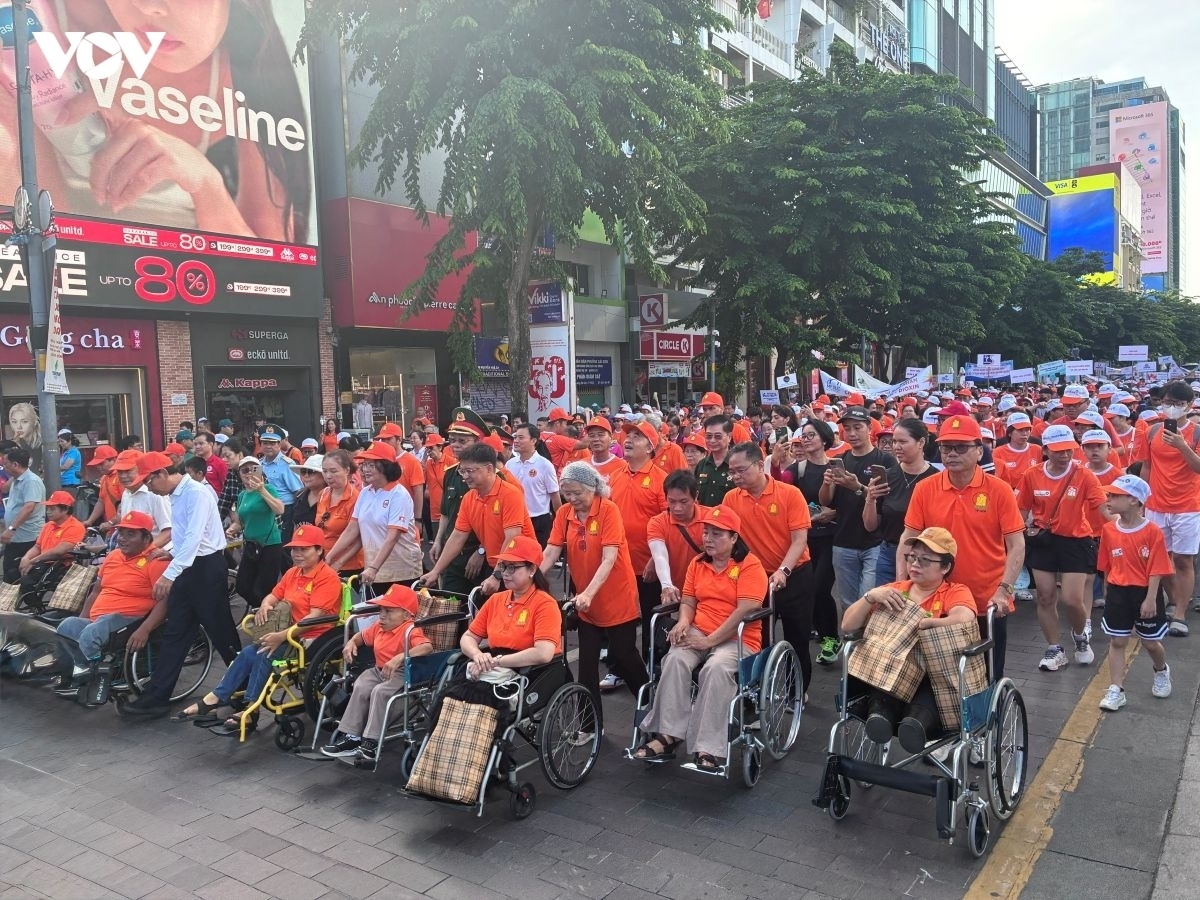
B: Today, Vietnam provides assistance through rehabilitation centers, healthcare services, vocational training, educational support and monthly allowances for many victims. Organizations such as the Vietnam Association for Victims of Agent Orange/Dioxin also work with communities and international partners to provide medical care, improve livelihoods and support children living with disabilities.
A: Every year, Vietnam observes the Day for Victims of Agent Orange on August 10, with charity walks, fundraising campaigns, exhibitions and public awareness activities across the country. These events not only raise funds but also remind younger generations of the importance of peace and compassion.
B: Next, listener Sou Sambath from Cambodia asks us to introduce the Cao Dai Holy See in Tay Ninh and recommend nearby attractions.
A: The Cao Dai Holy See is one of Vietnam's most remarkable religious landmarks. Built in a colorful architectural style that blends Eastern and Western influences, it serves as the spiritual center of Caodaism, a religion founded in southern Vietnam in the 1920s.
B: It attracts visitors by its remarkable interior, symbolic decorations and daily prayer ceremonies.
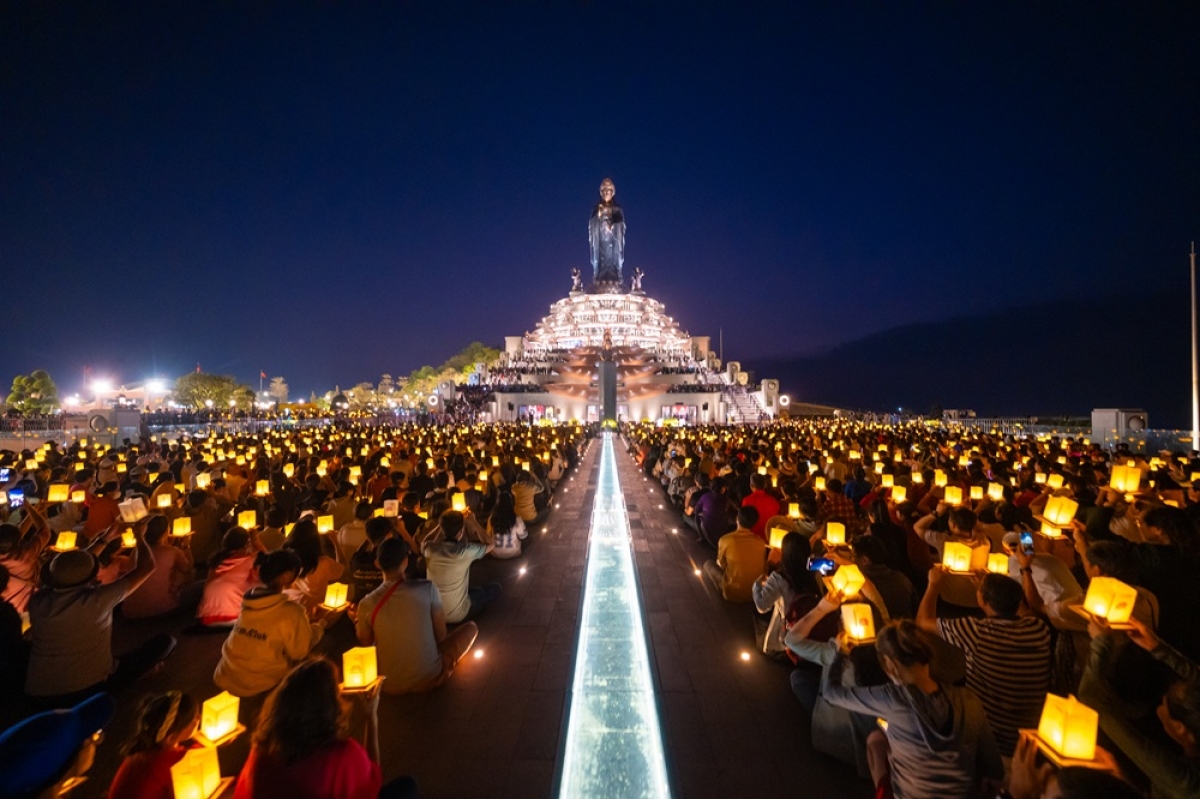
A: While you're in Tay Ninh, don't miss Ba Den Mountain, the highest peak in southern Vietnam. A modern cable car takes visitors to spectacular viewpoints overlooking forests, lakes and rice fields. You can also explore local temples and traditional markets while sampling Tay Ninh's famous rice paper and salt-seasoned specialties.
B: Before we say goodbye, we'd like to thank a few more listeners. Our friend Muhammad Aqeel Bashir in Pakistan congratulated Vietnam on the election of Nguyen Thi Lan Anh as a judge of the International Tribunal for the Law of the Sea. Thank you, Muhammad. We hope this milestone will inspire more young Vietnamese professionals to contribute to international organizations.
A: Thanks also to Shivendu Paul and the Murshidabad Betar Shrota Poribar in India for telling us about inspiring annual tree-planting campaigns in India, comparing them with the tree planting campaign in Vietnam. We also appreciate Chinmoy Mahato and the Guide International Radio Listeners Club for their continued support.
B: Warm greetings to Juan Carlos Pérez Montero in Spain and Farhin Rahmanin from Bangladesh, a loyal VOV5 listener for 13 years. And thanks to all of you who listen on shortwave, online or through our podcasts. Keep your letters and reception reports coming as they're what make our global VOVWORLD family so special.
A: That's all for this week's Letter Box. Thanks for listening to the Voice of Vietnam. Goodbye!


