







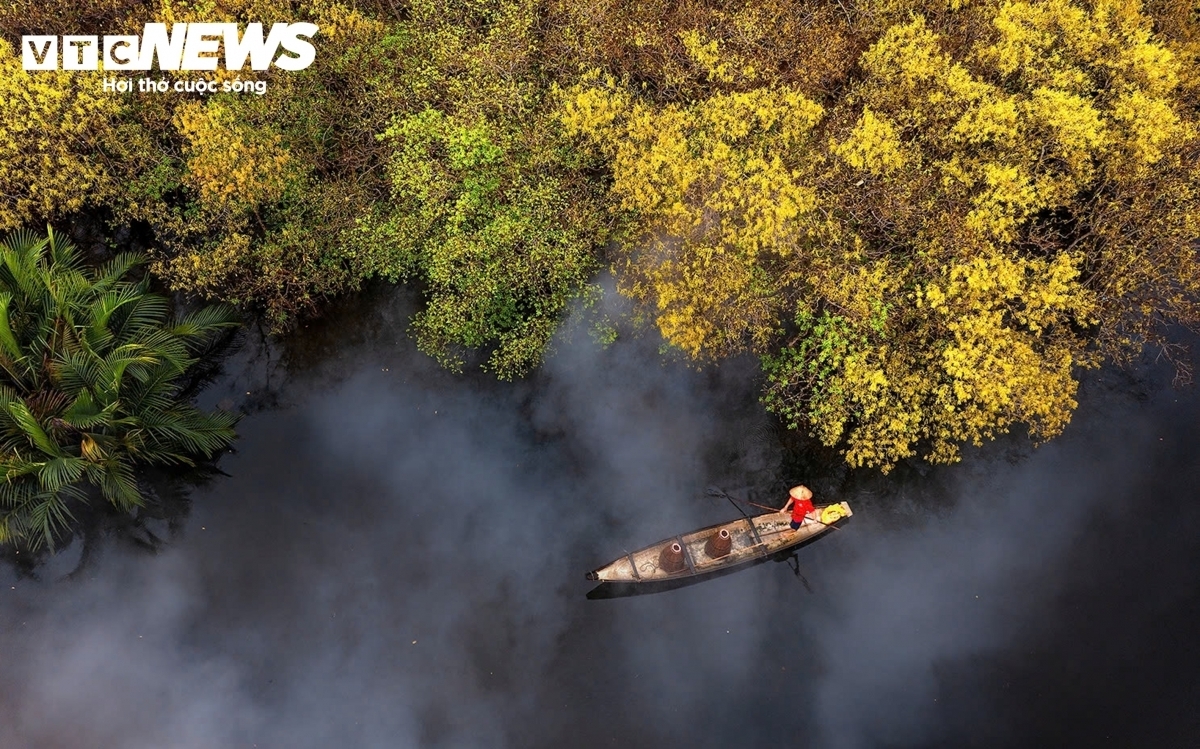
B: What a diverse collection of messages we have today, from travel and international cooperation to Vietnamese traditions and wildlife conservation!
A: So, let’s get started. This week, Oh Seong-i from South Korea shares his impressions of Vietnam, its land and people after listening to our reports about tourism in Vietnam. “Vietnam is a land favored by travel lovers. It is a wonderful destination where you can save money while still enjoying beautiful sights, satisfying experiences, and great value.”
B: Also from South Korea, Jimen writes: “I’m very happy to know that the number of Korean tourists coming to Vietnam is continuing to increase. I hope tourism exchanges between Vietnam and Korea will develop even more strongly. Thank you for sharing useful information!”
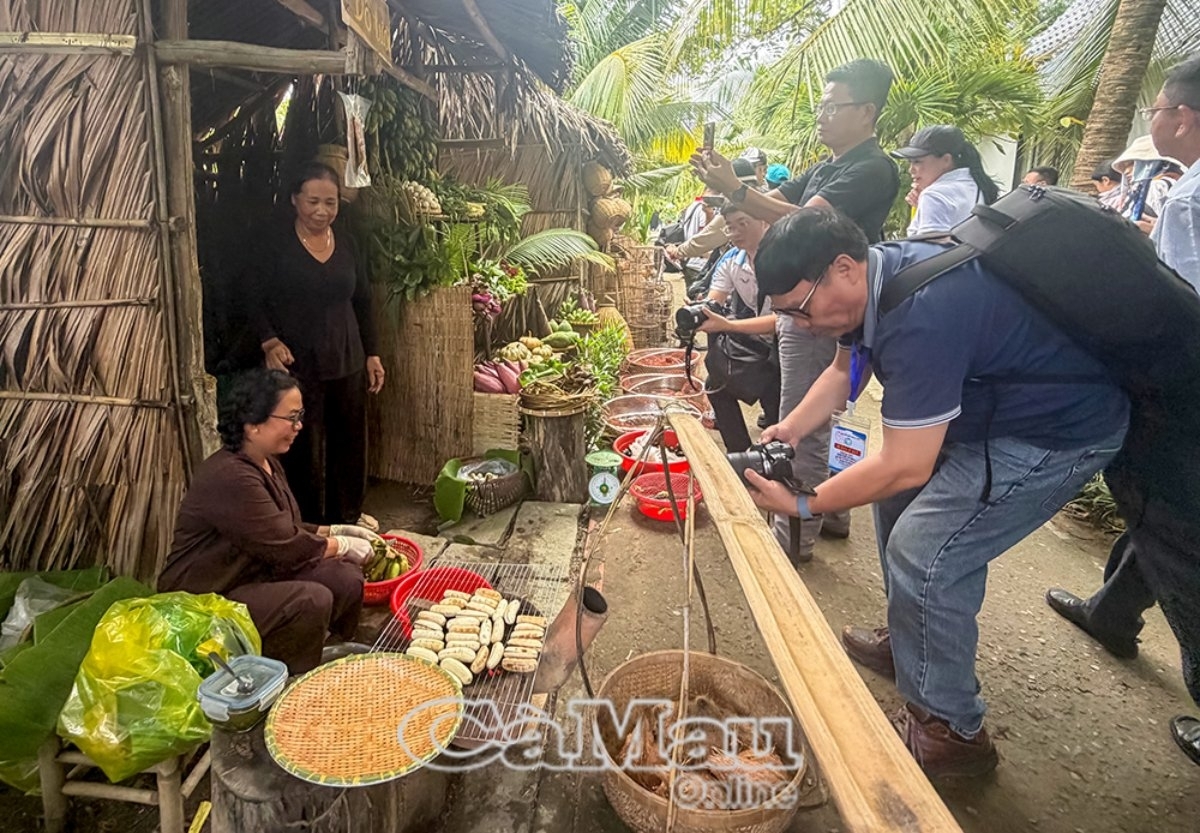
A: Vietnam welcomed more than 17.7 million international visitors in the first nine months of 2026, up 14.5% from the same period last year, according to the National Statistics Office. China and South Korea continued to be Vietnam’s largest source markets, together accounting for nearly 40% of total international arrivals. China ranked first with 3.9 million visitors, or 22.4% of the total, followed by South Korea with 3 million, or 17.3%.
B: Korean visitors say they enjoy their diverse experiences in Vietnam, from Hanoi’s historic streets and Ha Long Bay to the beaches of central and southern Vietnam, the Mekong Delta and the mountains of the north. They can discover village life, traditional crafts, local cuisine, ethnic cultures, and community-based tourism.
A: So, Oh Seong-i and Jimen, we hope your next journey to Vietnam will bring you even more memorable experiences.
B: Now, from tourism to international affairs. Mexican listener Armando Francisco Higuera del Reyo says he was impressed by VOV’s coverage of Vietnam’s participation in the UN General Debate. “Vietnam’s participation in the General Debate of the UN General Assembly once again confirms its policy of supporting a peaceful and stable environment, creating favorable conditions for the development of the world economy. The Doi Moi (renewal) process is opening a new era in Vietnam.”
B: And José Ignacio Cos Lezama of Spain also focused on Vietnam’s international role. He says he was particularly interested in information about Vietnam’s emphasis on cooperation in all areas to contribute to world peace.
A: Another Spanish listener, Juan Diez, offers perhaps the most poetic description. “I am very happy that there are radio stations like VOV and countries like Vietnam that always value international friendship between people and among nations. If there were more radio stations like VOV, the effort to restore peace around the world and ensure that no place is left in darkness would certainly move forward.”
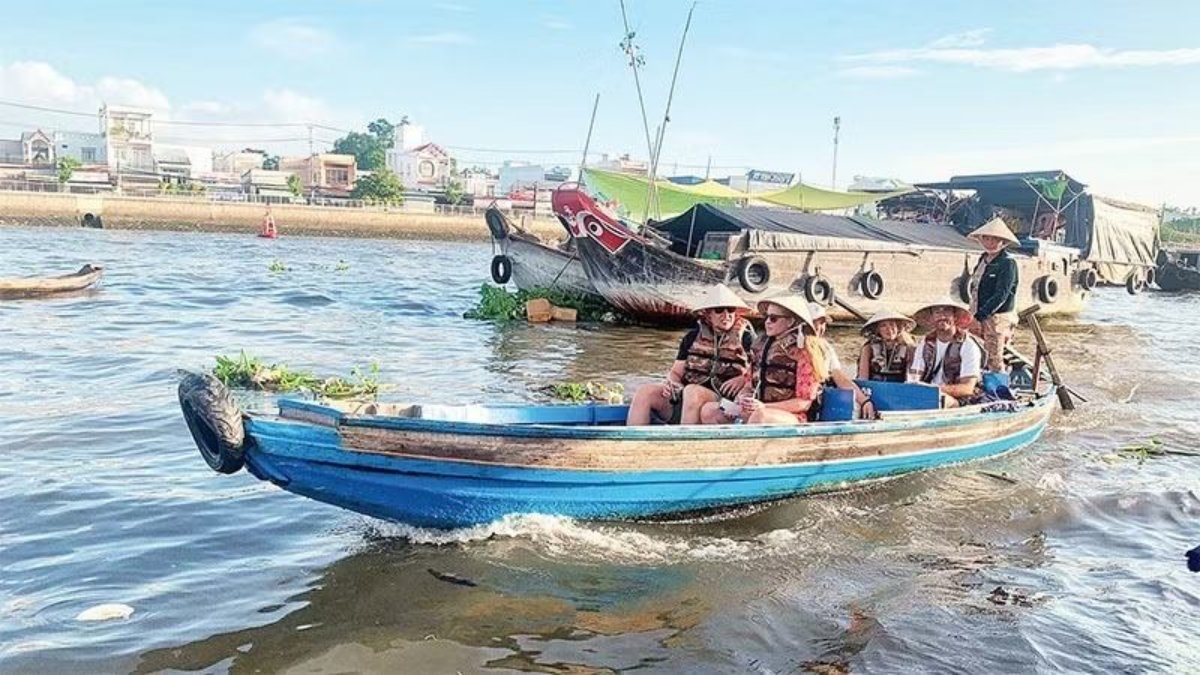
B: Thank you all for sharing in-depth comments on VOV stories and for your love of Vietnam and VOV in particular. Your feedback encourages us to further improve our work. And your letters remind us that radio can still build bridges, even in an age of social media and instant digital communication.
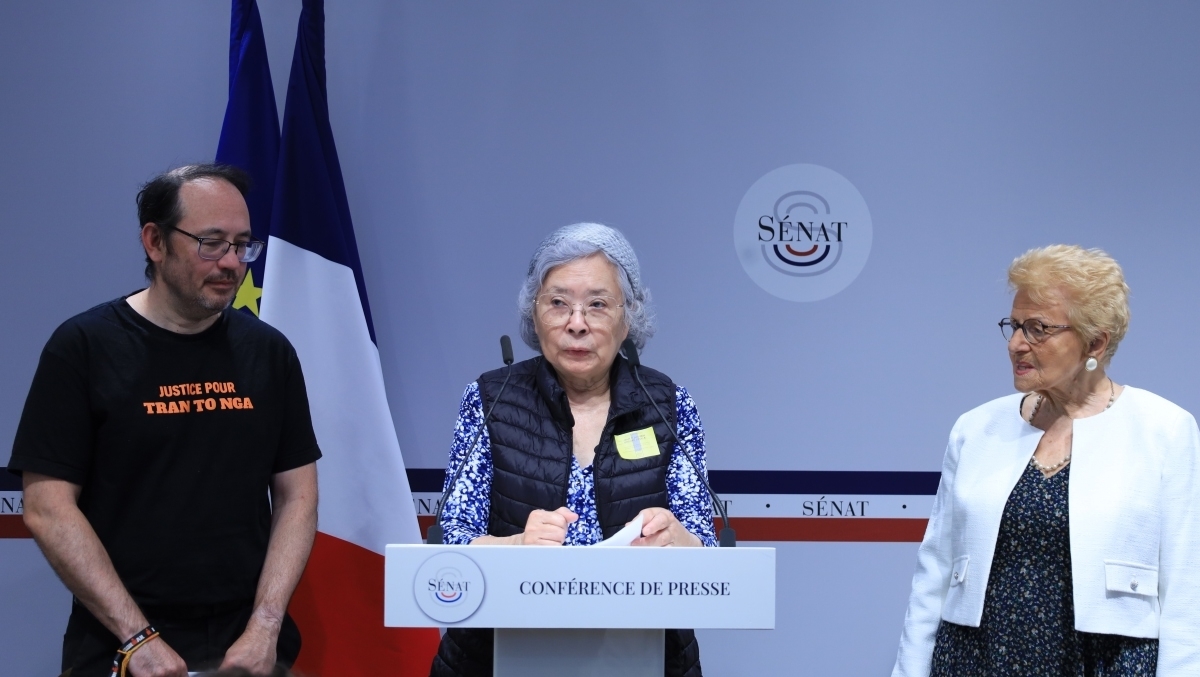
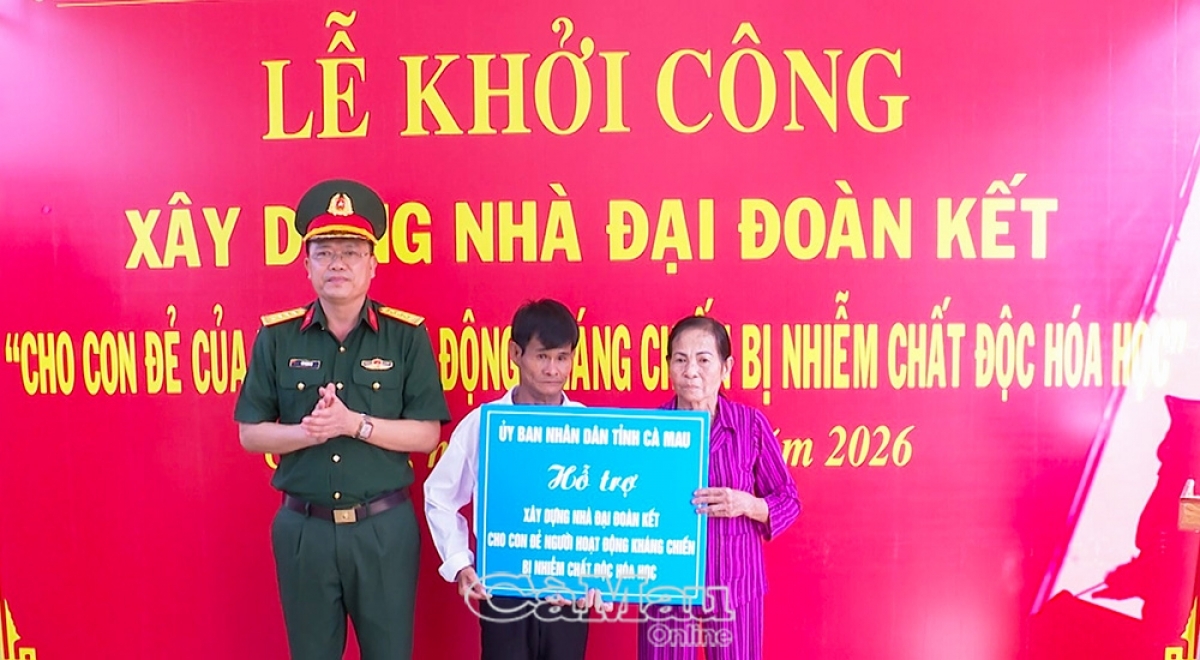
A: In her correspondence to VOVWORLD this week, Liana Wati from Indonesia asks to learn more about Agent Orange after hearing our report about Vietnamese activist Tran To Nga and her campaign for justice for victims of Agent Orange.
B: From 1961 to 1971, the US military sprayed nearly 80 million liters of chemical defoliants over Vietnam. About 61 percent was Agent Orange, which contained an estimated 366 kilograms of dioxin.
A: And dioxin is considered one of the most toxic substances known to science. Even extremely small amounts can have serious effects on human health, including cancer and reproductive health problems. What makes the legacy of Agent Orange particularly tragic is that its consequences can affect multiple generations.
B: The environmental consequences were also devastating. About one-quarter of southern Vietnam was sprayed with chemical defoliants, and 86 percent of the affected areas were sprayed more than once. Large areas were heavily contaminated, ecosystems were severely disrupted, and many plant and animal species disappeared from affected areas.
A: But behind those figures are millions of individual lives. An estimated 4.8 million Vietnamese people were exposed to Agent Orange and other toxic chemicals, with more than three million considered victims. Many families have faced serious health problems whose effects have extended across generations.
B: Thousands of children were born with deformities and congenital disabilities. Some have lived with severe disabilities since birth. Many women have faced reproductive health problems, while others continue to suffer from serious illnesses associated with Agent Orange and dioxin exposure.
A: Over the years, the Vietnamese Party and State, together with people across the country, have paid close attention to addressing the consequences of chemical warfare and providing care and assistance to Agent Orange victims.
A: But despite these efforts, the legacy of chemical exposure remains a heavy burden. Because of long-term health consequences, many victims and their families still face difficulties with healthcare, living conditions, and livelihoods.
B: That is why continued support from communities in Vietnam and from international friends remain so important.
A: Indeed. Remembering the victims is not simply about looking back at history. It is also about supporting those who continue to live with its consequences and working together to prevent similar tragedies from happening again.
B: Now for another fascinating question – and this one comes from Siddhartha Bhattacharjee in India. He asks: “Are there rhinos in Vietnam? If so, where are they mainly found? Is rhino poaching a serious problem in Vietnam? And what activities are organized in Vietnam to protect rhinos on World Rhino Day?”
B: Siddhartha, unfortunately, Vietnam no longer has wild rhinos. The species historically found in Vietnam was the Javan rhinoceros or Rhinoceros sondaicusannamiticus. The last confirmed Vietnamese Javan rhino was found dead in Cat Tien National Park in 2010, and its horn had been removed.
A: According to the World Wildlife Fund, the Javan rhino was declared extinct in Vietnam in 2010. The loss of the Javan rhino is a reminder that protecting wildlife cannot begin only when a species is down to its last individual.
B: Conservation organizations and authorities are working to combat the illegal wildlife trade, strengthen wildlife protection, and raise public awareness about the consequences of buying and using products made from endangered animals.
B: And World Rhino Day provides an opportunity to remind people that rhino conservation is not simply about protecting one species in Africa or Asia. It is also about reducing demand for rhino horn and protecting biodiversity more broadly.
A: Last in our show today, we’d like to acknowledge some of our loyal shortwave listeners.
B: H. M. Tarek from Bangladesh tells us he has been listening to VOV5 for 13 years. His favorite programs include Current Affairs, Village Life, Discovery Vietnam, and Letter Box. He recently listened to our report on the race for the UN Secretary-General post and sent us a reception report for our English Service on 7,220 kHz, with a SINPO rating of all 3s.
B: Tabassum Taiba, also from Bangladesh, has been listening to VOV5 for 13 years. She enjoyed our report on the dazzling lantern festival showcasing Tuyen Quang’s cultural traditions.
A: And Amir Jameel of Sahiwal, Pakistan, sent us a reception report for our English Service on September 28, monitoring 7,220 kHz from 1600 to 1630 UTC. He gave the transmission a strong all 4s rating.
B: Thank you all for sending us regular reception reports on our shortwave broadcasts, and we hope to hear more from you.
A: Until next time, keep listening, keep writing, and keep discovering Vietnam with VOVWORLD.
A & B: Goodbye!


