







B: This week, VOVWORLD received more than 260 letters, emails, and phone calls from listeners in 34 countries and territories. Some of you shared memories of listening to us on shortwave. Others told us how you now follow VOVWORLD online. And, as always, you sent us some fascinating questions about Vietnam.
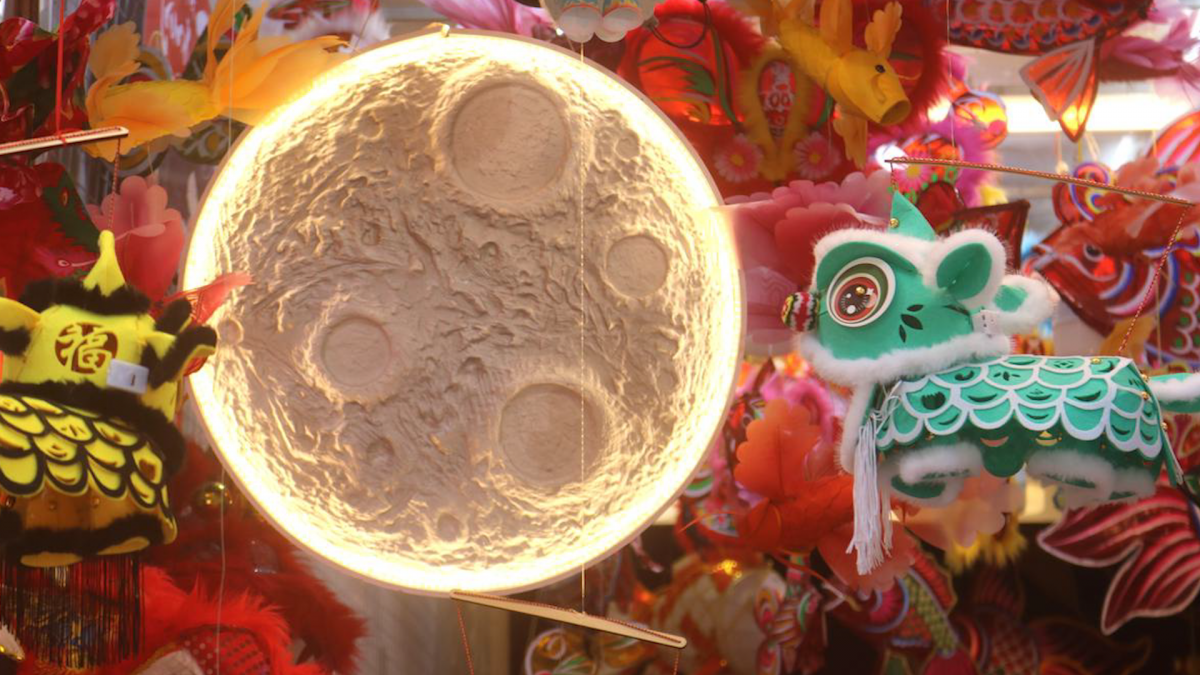
A: First on our show today, let’s celebrate the Mid-Autumn Festival with greetings coming from Vicentiu Daniel Gheorghe, founder and president of the Romanian VOV Club. He sends his best wishes to VOV journalists, broadcasters and staff, describing the festival as a celebration of family reunion, harmony and togetherness.
B: This year, the Mid-Autumn festival which celebrates the full-moon day of the 8th lunar month, will fall on Friday, September 25. During these days, localities throughout Vietnam are preparing a colourful celebration for children and families. In Hanoi, the Old Quarter is glowing with star-shaped lanterns, lion heads, paper masks and traditional toys, while cultural spaces offer workshops and heritage activities.
A: In Tuyen Quang province, the famous Thanh Tuyen Festival features spectacular parades of giant lanterns from last Saturday to this Friday.
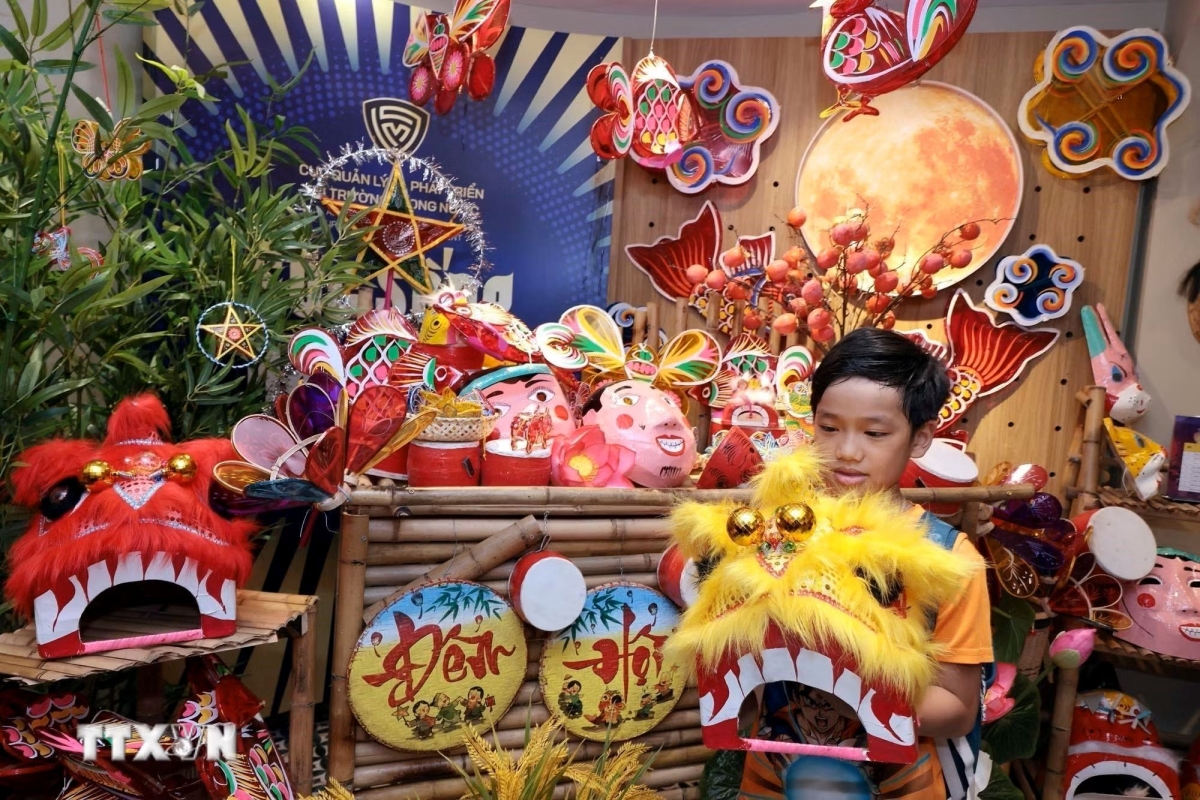
B: Across the country, the festival remains a cherished occasion for family reunion, traditional games, mooncakes and the joyful sound of lion dances.
A: Vicentiu, thank you. And we would like to return those warm wishes to you, your family and all members of the Romanian VOV Club.
B: Next, here is a message from Xue Fe of Liaoning, China. His letter is a beautiful reflection on shortwave listening. “Many years ago, I often listened to Vietnamese-language radio programs from the Voice of Vietnam via shortwave. Those radio waves travelled across mountains and seas, carrying the voice of distant Vietnam to me. That was truly an unforgettable memory.”
A: What a wonderful description of shortwave radio! And I particularly like another part of his letter. He says that through VOV he has learned that Vietnam is not only about beautiful Ha Long Bay, but also has a long agricultural culture and diverse customs among its ethnic minority communities.
B: From Germany, Nijat Imranli tells us about his personal journey as a DX enthusiast. He says he became interested in long-distance radio reception in 2015, while living in Baku, Azerbaijan. “From the very beginning, the Voice of Vietnam became a special station for me. Over the years, VOV has not only been a station I regularly listen to, but also a source of information that has helped me discover and understand Vietnam, even after I moved to Germany. VOV has therefore always held a special place in my journey of radio listening.”
A: Xue Fe and Nijat, thank you for your support for shortwave broadcasts which keeps us motivated. We hope to continue to receive more feedback from you.
B: In his correspondence to VOVWORLD this week, Miyake Hidemitsu of Japan asks: “How many times has Vietnam changed the design of its banknotes, and have there ever been significant cases involving counterfeit money?”
A: That’s an intriguing question, Miyake, because the story of Vietnamese banknotes is closely connected with the country’s modern history.
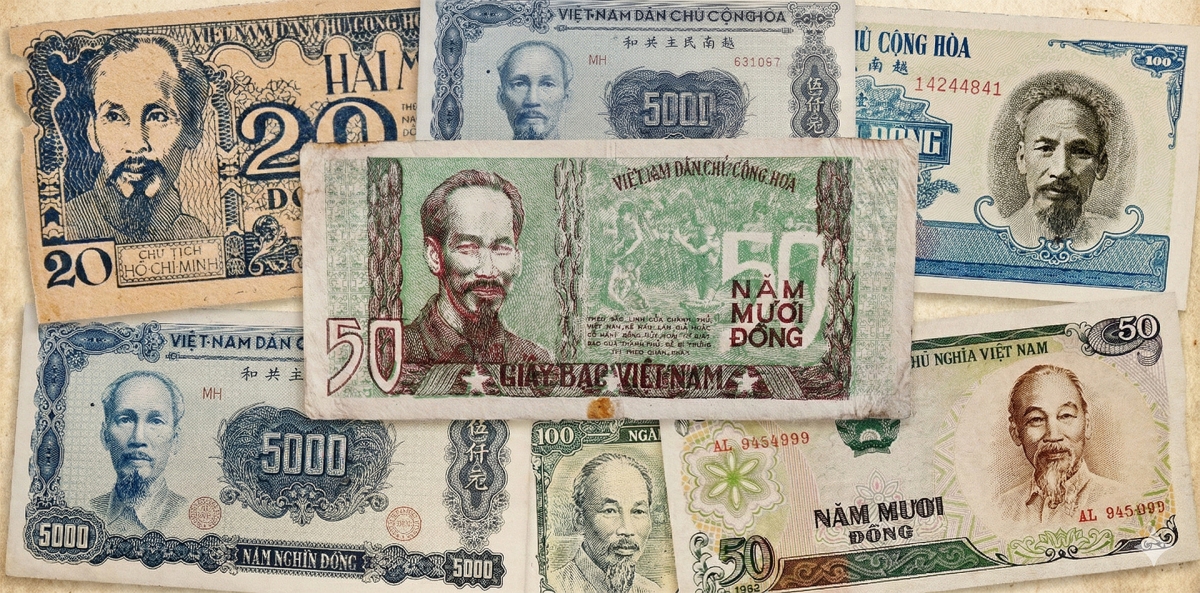
B: The first independent Vietnamese banknotes were issued in 1946, after the August Revolution. At the time, several currencies were circulating, including French Indochinese piastres, Japanese-issued notes and Chinese Nationalist currency. The new Vietnamese currency was therefore important to the country’s economy and also a symbol of national sovereignty.
A: These early notes became popularly known as “Giấy bạc Cụ Hồ”, or “Uncle Ho banknotes”, because they featured President Ho Chi Minh’s portrait. The designs also showed workers, farmers and soldiers, reflecting the social and political circumstances of the time.
B: Since then, Vietnam has gone through several major monetary changes. There were reforms in 1951, 1959, 1978, and 1985.
A: The appearance of the banknotes also evolved. During the late 1980s and 1990s, higher denominations were introduced as the economy changed. Their designs featured familiar Vietnamese landscapes and landmarks, including Ha Long Bay and Nha Rong Wharf.
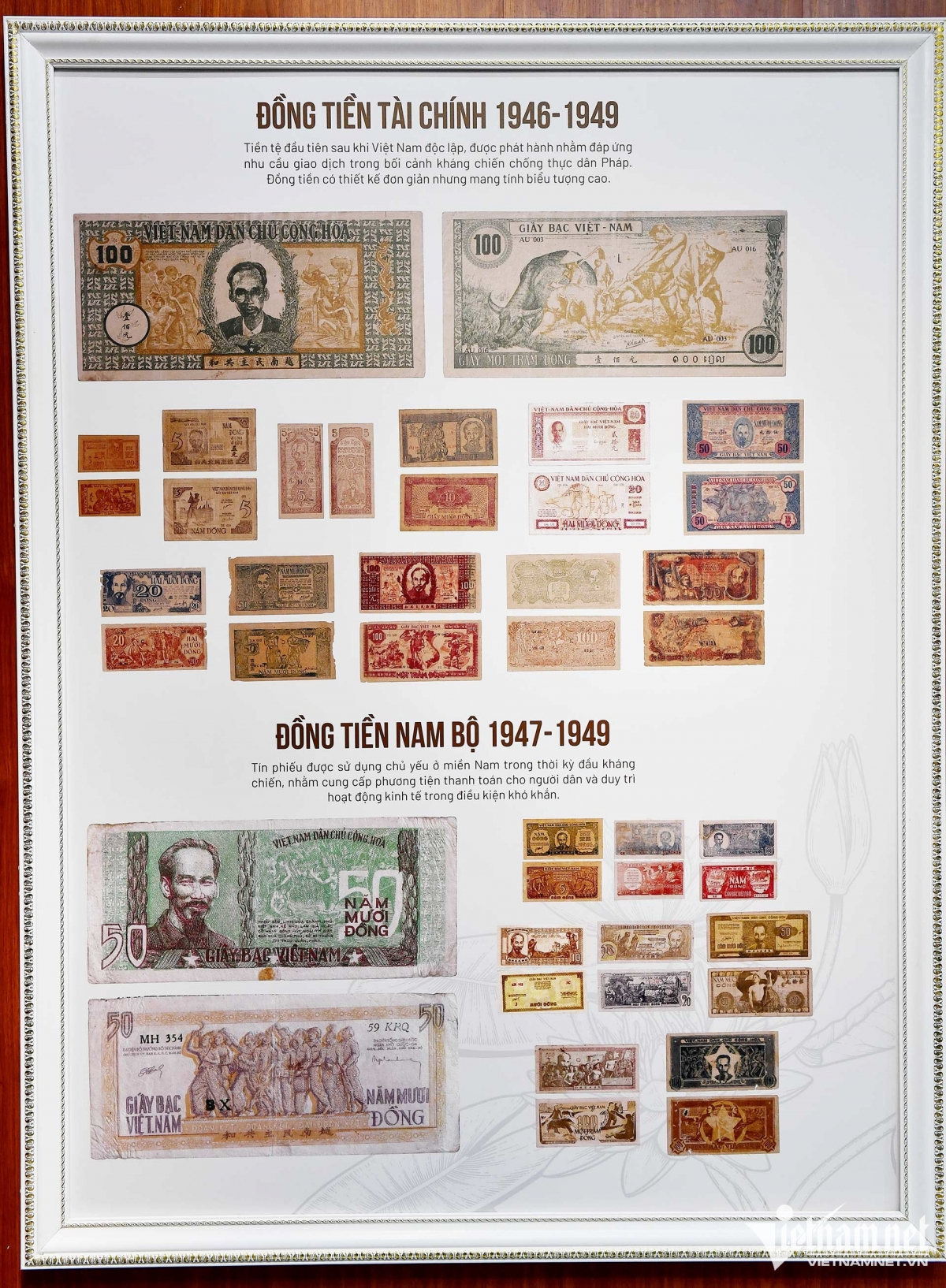
B: Then came a major technological change in 2003, when Vietnam began issuing polymer banknotes. Polymer made the notes more durable and allowed the incorporation of modern security features such as transparent windows, latent images, colour-changing ink and ultraviolet-reactive elements.
A: And what about counterfeiting? Yes, Vietnam has faced counterfeit currency. Interestingly, even during wartime, more sophisticated designs were introduced partly to make counterfeiting more difficult.
B: Today, Vietnam’s banknote denominations have remained largely stable. And increasingly, the country is encouraging electronic payments, including bank cards, e-wallets and QR-code payments.
A: So, Miyake, Vietnamese banknotes are more than money—they are also a fascinating visual record of the country’s history and economic transformation.
B: Now let’s take a virtual train ride. Chan Seng of Laos wants to know about the tourist railway route between Hanoi and Bac Ninh. This is a particularly interesting question because the journey is designed as much as a cultural experience as a means of transportation.
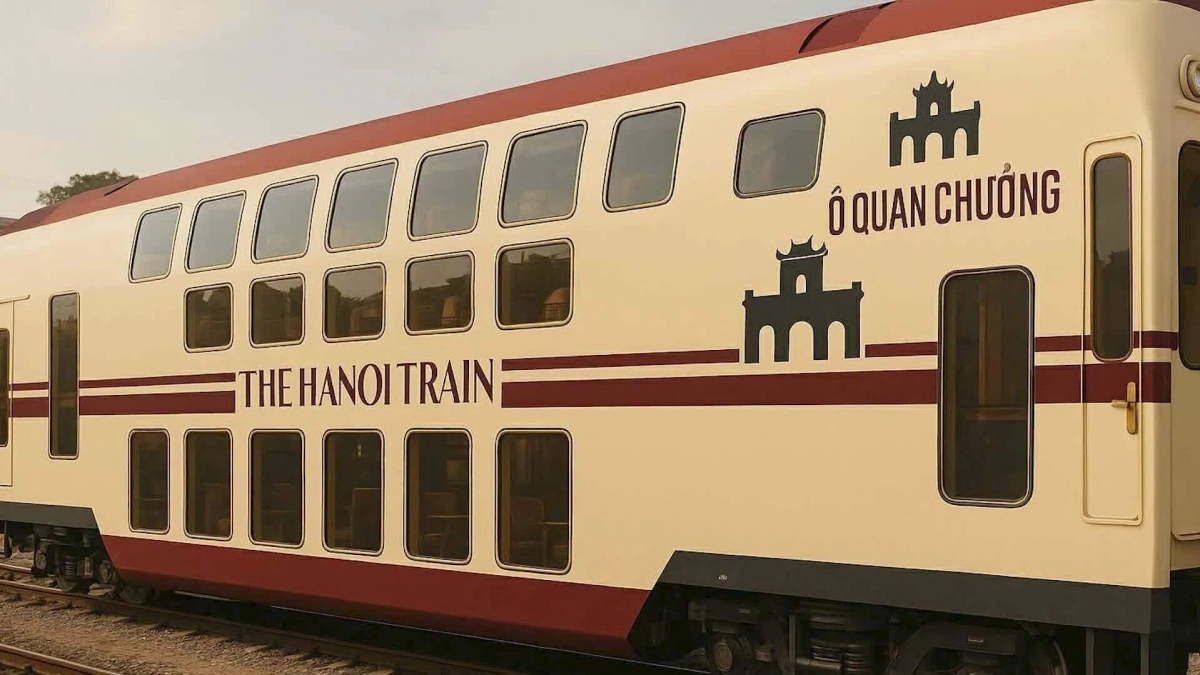
A: The heritage train, known as the “Hanoi Five Gates Train,” connects Hanoi with Tu Son in Bac Ninh, the historic Kinh Bac region. The journey takes visitors from Hanoi Station to Tu Son, where they can visit places such as Do Temple, before returning to Hanoi.
B: The train itself is part of the experience. Its five carriages are themed after famous old gates of Hanoi, including Quan Chuong, Cau Den, Dong Mac, Cau Giay and Cho Dua.
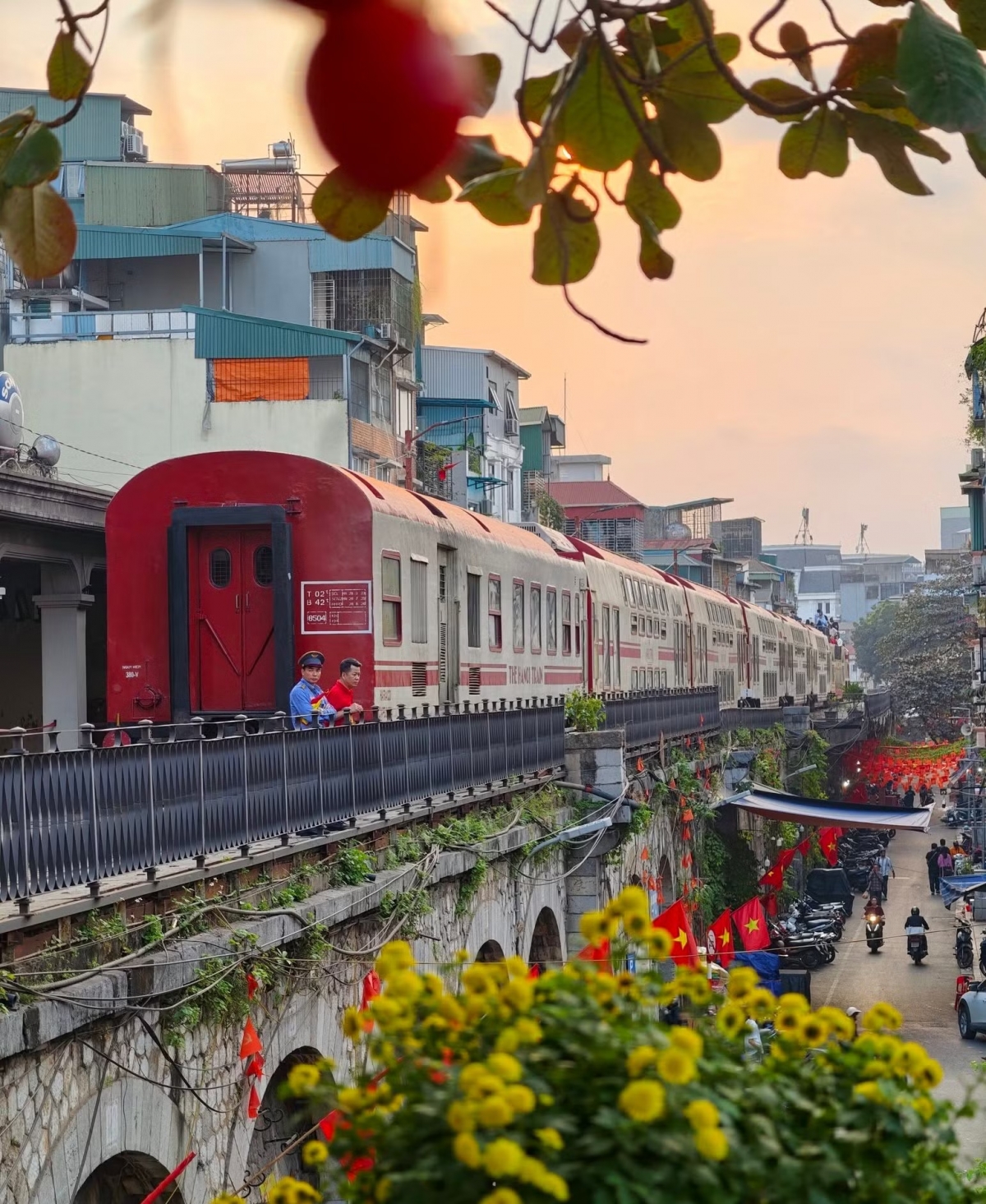
A: And there’s more. Passengers can enjoy cultural performances, take photographs, look at the changing scenery and explore heritage sites in Bac Ninh.
B: The route has proved popular. After its first year of operation, the train had carried nearly 100,000 passengers on almost 400 services, with an average occupancy rate of around 80%.
A: Chan Seng, and our dear listeners, if you ever visit Vietnam, this could be a lovely way to spend half a day – especially if you are interested in history, traditional culture and railway travel. And Bac Ninh is also famous for Quan Ho folk singing, temples, traditional villages and the cultural heritage of the Kinh Bac region.
B: And before we close, we certainly cannot forget our DXers. Anand Mohan from India sent us a detailed reception report for the English Service. He monitored VOV on 12020 kHz, from 11:30 to 12:00 UTC, and gave the signal a SINPO rating of 44444.
A: We also heard from several long-time listeners in Bangladesh. Tarana Tinni says she enjoys Current Affairs, Village Life, Discovery Vietnam and Letter Box.
B: Farhin Rahman, another VOV5 listener in Bangladesh, also says she has been listening for 13 years. Her favorite programs include Current Affairs, Culture, Economy, Discovery Vietnam and Letter Box.
A: And Esaba Ela listened to our Sunday Show on the 500-day-and-night campaign to search for, identify and bring home the remains of fallen soldiers.
B: Thank you all for those detailed reception reports. Your SINPO codes, frequencies, dates and listening locations are extremely useful to international broadcasters because they help us understand how our signals are reaching you.
A: From Germany, China, Spain, Japan, France, Laos, India, Pakistan, Bangladesh and many other places, your messages remind us that international radio is ultimately about people.
B: Please keep your letters, questions, comments and reception reports coming. Tell us what you like, what you would like to hear more about, and what you would like to discover about Vietnam.
A: Write to the English Service of VOVWORLD at 45 Ba Trieu street, Hanoi, or email us at englishsection@vov.vn, or leave your comments on our Facebook page VOV5 English Service. And wherever you are listening today, thank you for being part of our international audience.
B: Until next time. Goodbye and see you again on Letter Box!


