



A “digital scan” opens new doors to heritage
In the city of Hue, e-tickets, QR codes, digital check-in points and virtual reality experiences are becoming part of the heritage exploration journey. Technology gives visitors new ways to explore palaces and historical stories and interact with heritage values that have endured for centuries.

Even before travelers pack their bags, AI can already become part of the journey, helping them search for information, suggest destinations and build itineraries based on their preferences, available time and budget.
The Visit Vietnam platform has developed an AI Travel Assistant, while in Can Tho city, the virtual assistant Tripi is being used to provide advice and personalize travel choices.

At Yen Tu historical relic site in Quang Ninh city, AI-powered cameras are used to count visitors entering and leaving, while real-time data helps manage visitor flows and reduce congestion when tourist numbers rise.

Taking a boat along Yen Stream, visiting Thien Tru Pagoda or exploring Huong Tich Cave are familiar experiences during a pilgrimage to Huong Pagoda in Hanoi. Nowadays, e-tickets and digital management solutions are making it easier to serve visitors and manage tourist flows.

Lam Dong is developing a shared tourism database and introducing VR360, QR codes and multilingual virtual assistants. Digital transformation has made destination management more efficient and helped visitors discover local landscapes, culture and tourism products in new ways.

Launched in August 2026, the Lao Cai Tour platform integrates AI, digital maps, QR codes and destination data. Notably, the platform also helps connect businesses, cooperatives, local establishments and community-based products with visitors, giving small local services more opportunities to appear on travelers’ maps and itineraries.

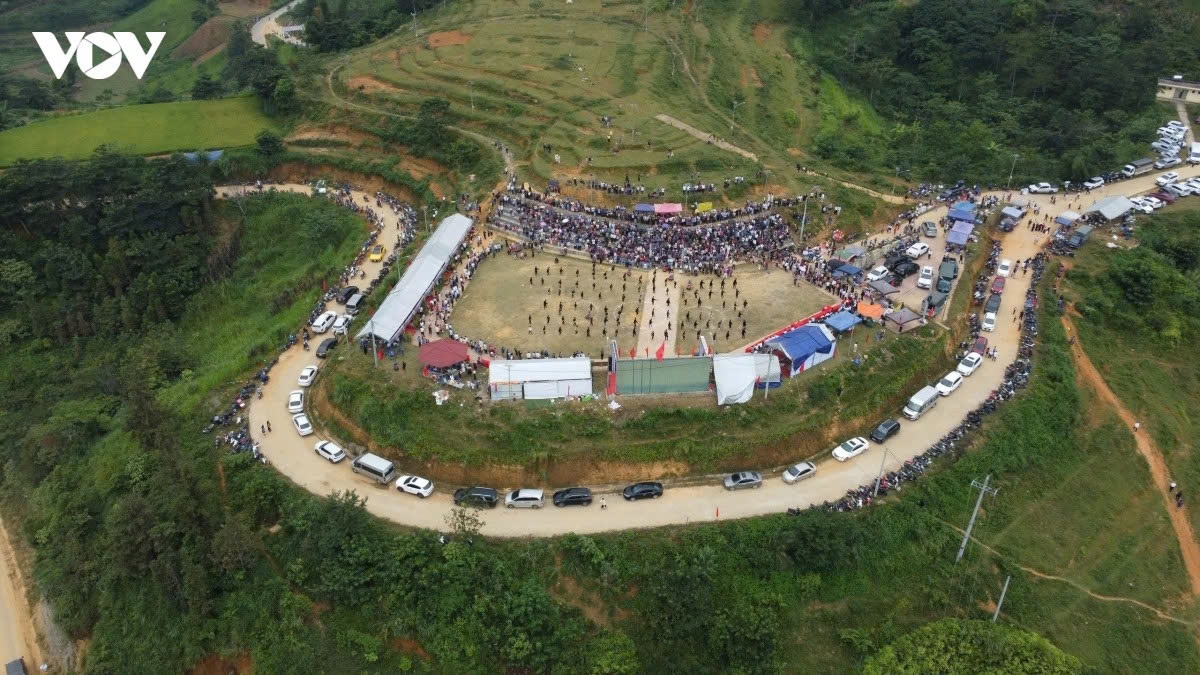
This year, Lao Cai province reports a growing number of visitors exploring Mu Cang Chai, Y Ty, Si Ma Cai and other highland destinations alongside Sa Pa. AI and data help ensure travellers with the experiences they want while technology helping expand the tourism map, ease pressure on overcrowded destinations and bring more value to local communities.