







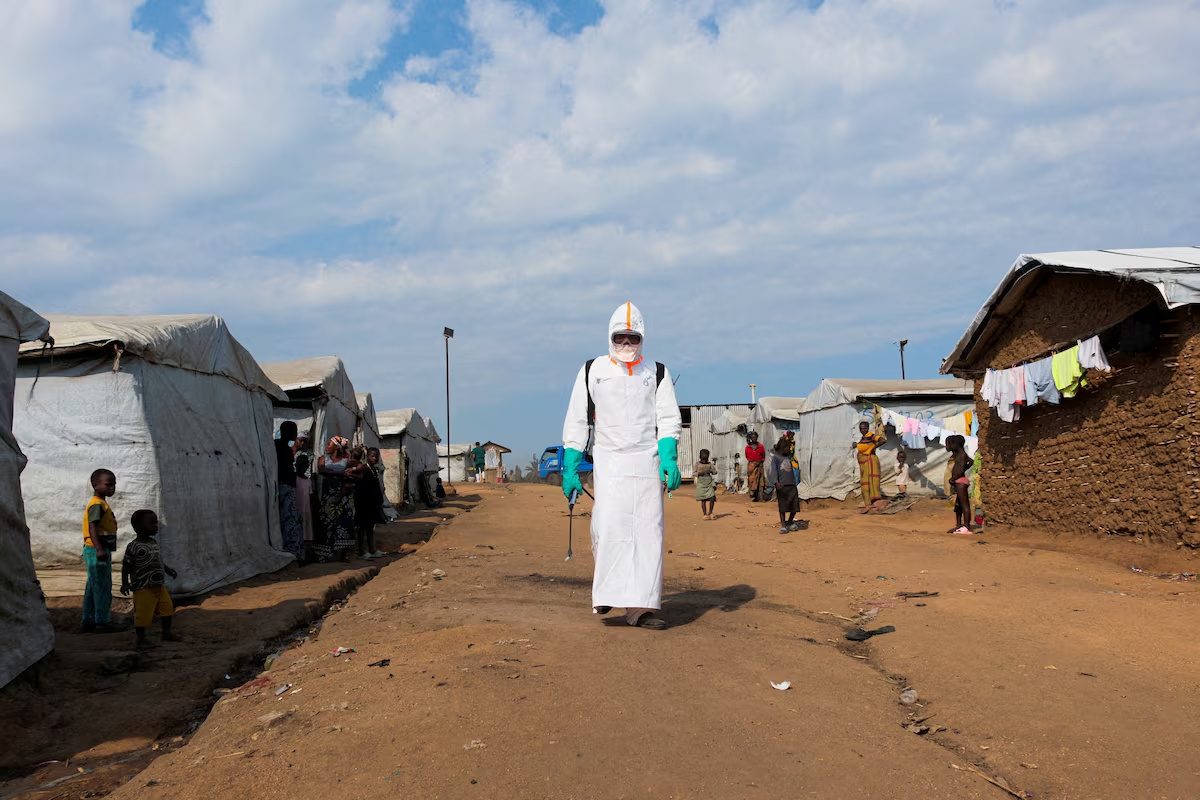
The outbreak, caused by the Bundibugyo species of Ebola, became the largest and deadliest in Congo's history after surpassing the 2018-2020 epidemic. It is now second only to the 2014-2016 West African outbreak, which infected over 28,600 people and killed more than 11,000 across Guinea, Liberia and Sierra Leone.
Government figures showed the death toll had risen to 3,007, while confirmed cases reached 6,186.
The outbreak was formally declared in Ituri province on May 15, though some health officials and experts say it may have started as early as January.
It has since spread to six provinces, despite efforts by Congolese authorities, the World Health Organisation and aid groups to contain it.
Health experts say weak surveillance systems, insecurity and community resistance have hampered efforts to identify and treat patients early.


