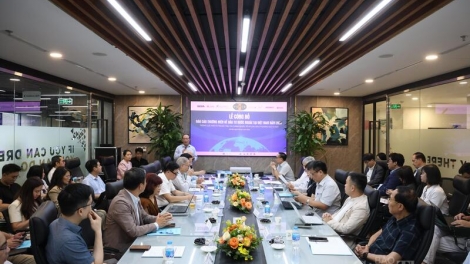



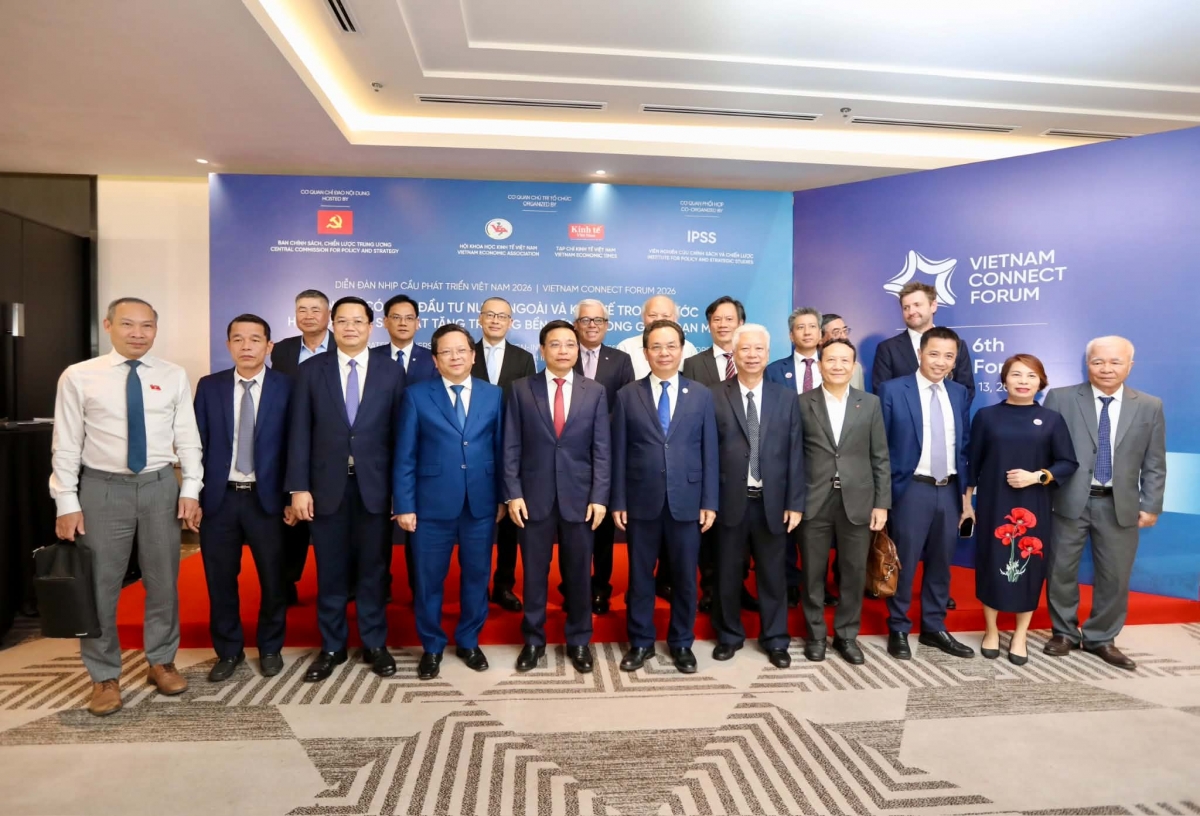
Held in Hanoi on Wednesday, the event attracted representatives from more than 300 business associations, corporations, and enterprises from Vietnam and abroad, as well as economic and investment experts.
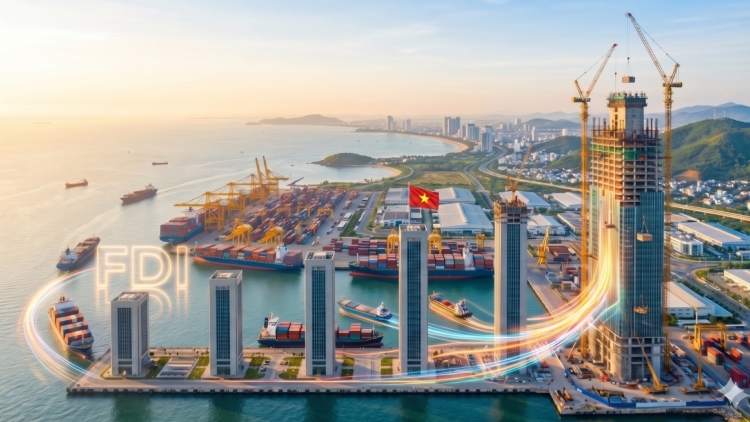
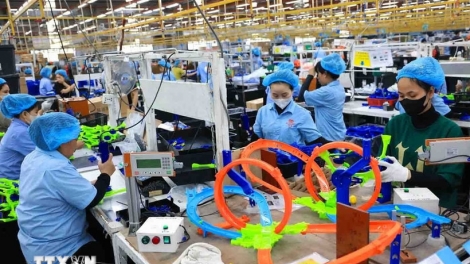
There are currently more than 46,500 active FDI project in Vietnam, with total registered capital at 543 billion USD and realized capital at 358 billion USD, said Deputy Prime Minister Nguyen Van Thang at the event. The FDI sector contributes around 20% of GDP, more than 70% of Vietnam's export turnover, and provides millions of jobs.
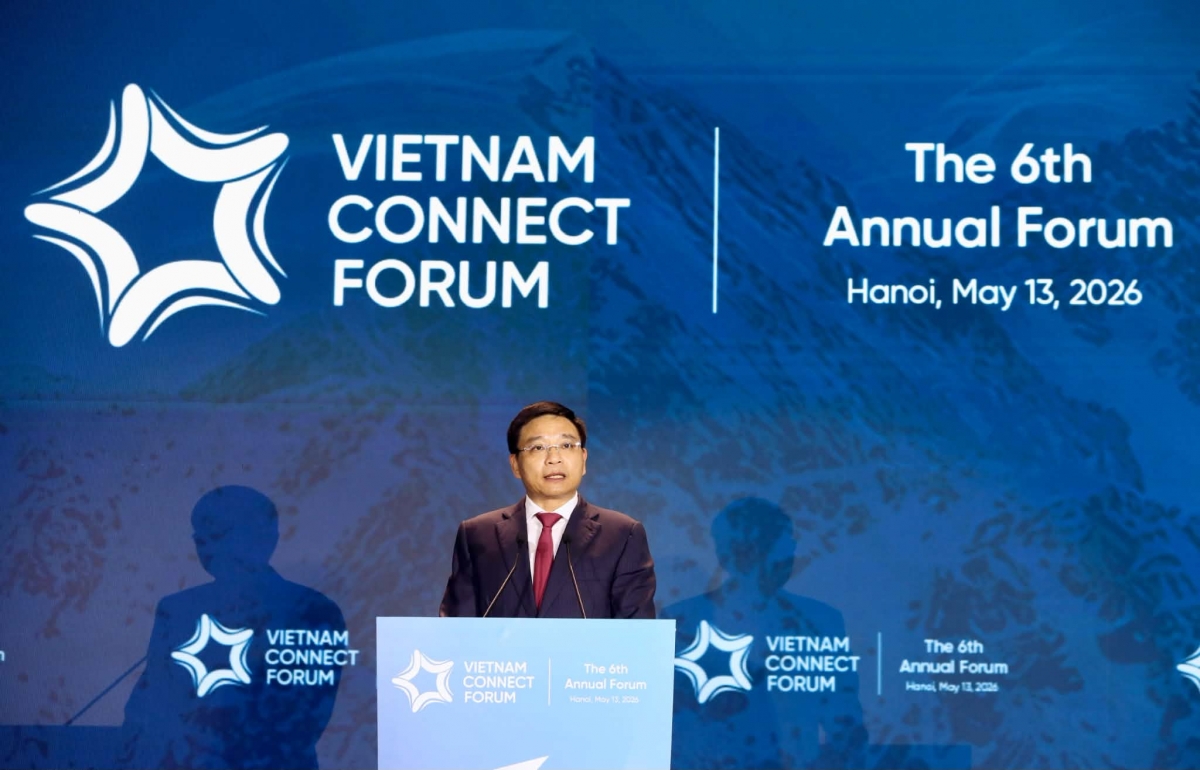
However, the quality and effectiveness of the collaboration between FDI and domestic economic sectors have yet to meet expectations, Deputy PM Thang added. Many Vietnamese enterprises still operate in low value-added segments. Localization rates remain limited in some industries. Domestic firms’ absorptive capacity (ACAP) has yet to keep up with the needs of the global supply chains.
Mr. Thang said: “We have to improve the quality of the cooperation, spillover effects, and synergy between the FDI sector and the domestic economy in the new phase. Vietnam is shifting from mass FDI attraction to selective, high-quality, effective, and sustainable investment co-operation."
"We care not just about how much capital investors bring into Vietnam, but what technology they bring, what added value they create, how they help train human resources, and how many Vietnamese enterprises can be connected to the global supply chains. We care about their contributions to Vietnam's green transition, digital transformation, and internal economic capacities. Next-generation FDI in Vietnam is not just about manufacturing or market exploitation, but about jointly creating new values, new capabilities, and a new position for Vietnam in the global value chains,” he added.
As part of the forum, Chairman of the Party Central Committee's Commission for Policies and Strategies Nguyen Thanh Nghi worked with representatives of foreign and domestic business associations, FDI and Vietnamese companies, and economic experts.
Vietnam faces a crucial opportunity for national development, Mr. Nghi said. To seize this opportunity, Vietnam needs to participate more deeply in global value chains. He called for deep, substantive, and long-term cooperative relationships between the foreign-invested and domestic sectors to contribute to enhancing Vietnam’s self-reliance and its position in the global value chain.