



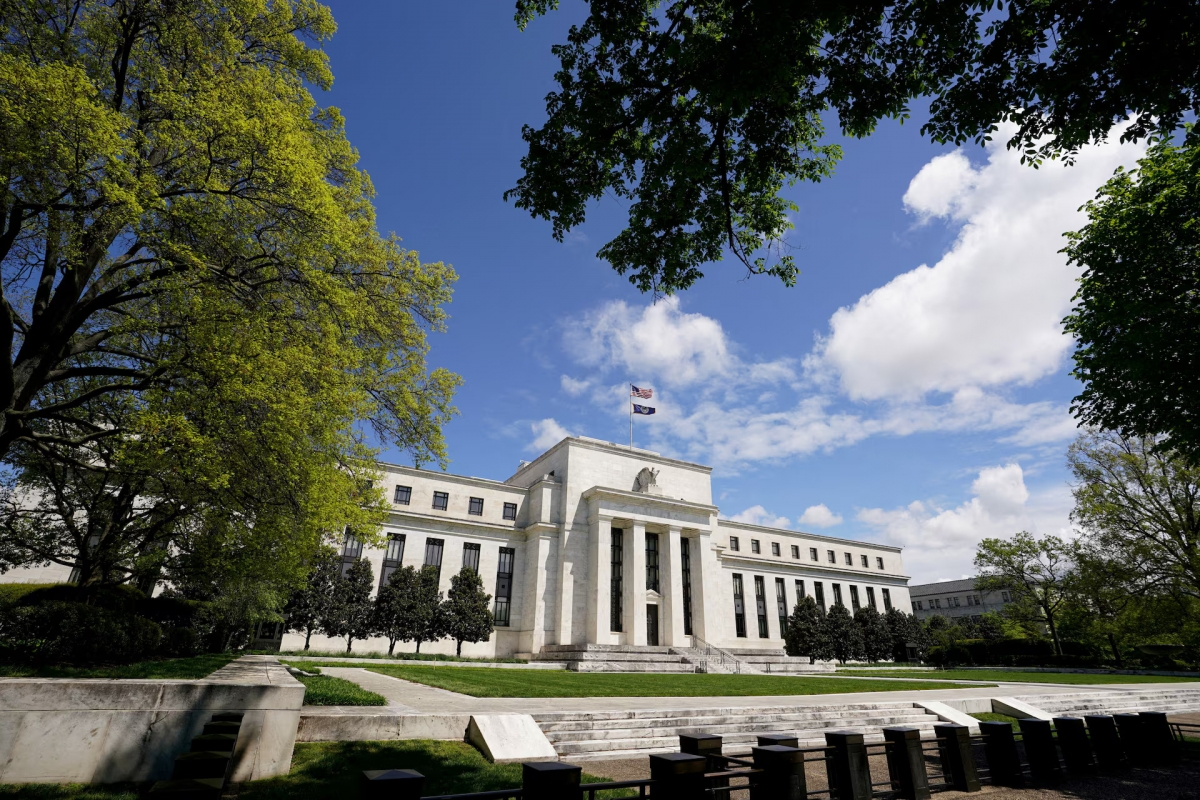
The decision drew dissents from three of the 12 members of the policy-setting Federal Open Market Committee who "preferred" a quarter-percentage-point hike at this meeting. This is the first time 3 voters dissented since 2016, highlighting growing divides within Fed over how to address inflation.
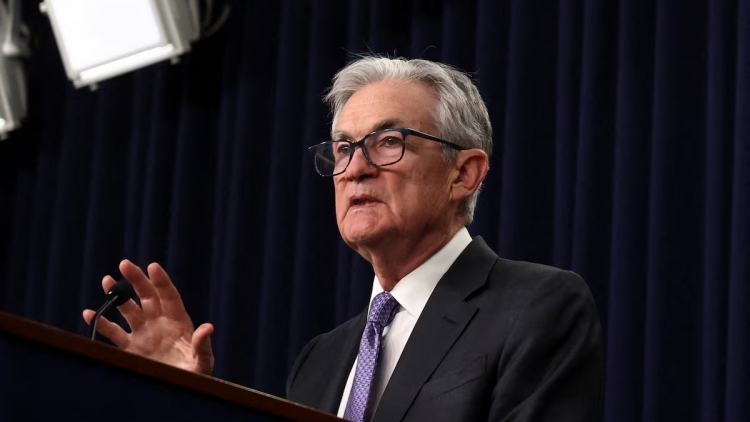
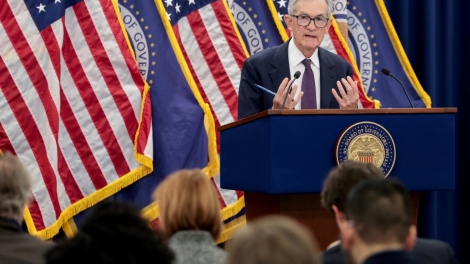
Federal Reserve Chairman Kevin Warsh said after the meeting that the US central bank has no higher "soft target" for inflation and is determined to meet its longstanding 2% goal.
Analysts said that pressure on the Fed is mounting, as energy prices remain high due to tensions in the Middle East and new tariffs introduced last week threaten to drive up prices of consumer goods.
However, many also argued that higher interests are unlikely to address inflationary pressures due to the conflict with Iran or disruptions to global oil supplies.
Inflation in the US has been above the Fed’s 2% target for more than five years, driving up cost-of-living for households. But higher interests have also driven up borrowing costs, weighing on consumer spending and business investment, especially in sectors like automobiles, industrial equipment, and real estate.
Following the Fed's announcement, US stocks on Wednesday ended sharply lower as concerns about inflation due to rising oil prices drove longer-dated bond yields.